11 months ago
In today's interconnected world, the food industry has greatly benefited from the growth of online platforms that facilitate the export and import of food products. These platforms serve as virtual marketplaces where businesses can connect with suppliers and buyers from around the globe, making it easier than ever to trade in food products. In this blog post, we will compare some of the top food export-import platforms to help you decide which one is right for your business.
Read More →11 months ago
In recent years, there has been a growing trend in the food industry towards plant-based protein products. These products, made from sources such as soy, peas, hemp, and quinoa, are becoming increasingly popular among consumers looking for alternatives to traditional animal-derived proteins. As a result, the export and import of plant-based protein products have seen a significant increase as companies look to tap into this growing market.
Read More →11 months ago
When it comes to food, the Philippines has a rich and diverse cuisine that reflects the country's cultural heritage and history. From traditional dishes passed down through generations to modern fusion creations, Filipino food is a true culinary delight.
Read More →11 months ago
The food export and import industry is a vital aspect of Philippine business, playing a significant role in the country’s economy. With its diverse range of agricultural products, the Philippines has a lot to offer in terms of food exports to various markets around the world.
Read More →11 months ago
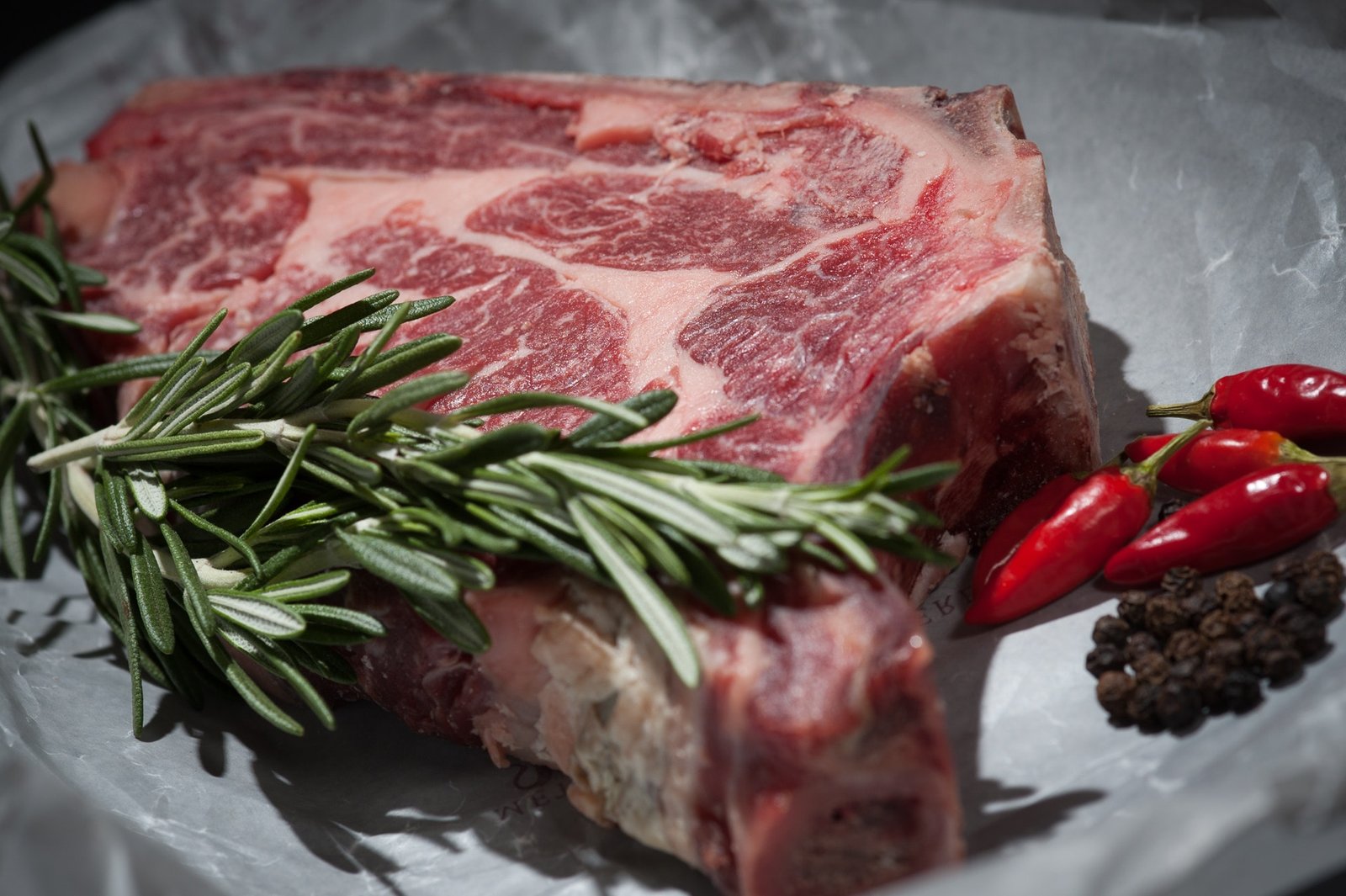
The Philippine agribusiness industry plays a vital role in the country's economy, with food export and import being a key component of this thriving sector. The Philippines is known for its diverse range of agricultural products that are in high demand both domestically and internationally. From tropical fruits like mangoes and bananas to seafood products such as tuna and shrimp, the Philippines has much to offer to the global market.
Read More →11 months ago
In today's interconnected world, the food industry has greatly benefited from the growth of online platforms that facilitate the export and import of food products. These platforms serve as virtual marketplaces where businesses can connect with suppliers and buyers from around the globe, making it easier than ever to trade in food products. In this blog post, we will compare some of the top food export-import platforms to help you decide which one is right for your business.
Read More →11 months ago
In recent years, there has been a growing trend in the food industry towards plant-based protein products. These products, made from sources such as soy, peas, hemp, and quinoa, are becoming increasingly popular among consumers looking for alternatives to traditional animal-derived proteins. As a result, the export and import of plant-based protein products have seen a significant increase as companies look to tap into this growing market.
Read More →11 months ago
When it comes to food, the Philippines has a rich and diverse cuisine that reflects the country's cultural heritage and history. From traditional dishes passed down through generations to modern fusion creations, Filipino food is a true culinary delight.
Read More →11 months ago
The food export and import industry is a vital aspect of Philippine business, playing a significant role in the country’s economy. With its diverse range of agricultural products, the Philippines has a lot to offer in terms of food exports to various markets around the world.
Read More →11 months ago
The Philippine agribusiness industry plays a vital role in the country's economy, with food export and import being a key component of this thriving sector. The Philippines is known for its diverse range of agricultural products that are in high demand both domestically and internationally. From tropical fruits like mangoes and bananas to seafood products such as tuna and shrimp, the Philippines has much to offer to the global market.
Read More →11 months ago
In today's interconnected world, the food industry has greatly benefited from the growth of online platforms that facilitate the export and import of food products. These platforms serve as virtual marketplaces where businesses can connect with suppliers and buyers from around the globe, making it easier than ever to trade in food products. In this blog post, we will compare some of the top food export-import platforms to help you decide which one is right for your business.
Read More →11 months ago
In recent years, there has been a growing trend in the food industry towards plant-based protein products. These products, made from sources such as soy, peas, hemp, and quinoa, are becoming increasingly popular among consumers looking for alternatives to traditional animal-derived proteins. As a result, the export and import of plant-based protein products have seen a significant increase as companies look to tap into this growing market.
Read More →11 months ago
When it comes to food, the Philippines has a rich and diverse cuisine that reflects the country's cultural heritage and history. From traditional dishes passed down through generations to modern fusion creations, Filipino food is a true culinary delight.
Read More →11 months ago
The food export and import industry is a vital aspect of Philippine business, playing a significant role in the country’s economy. With its diverse range of agricultural products, the Philippines has a lot to offer in terms of food exports to various markets around the world.
Read More →11 months ago
The Philippine agribusiness industry plays a vital role in the country's economy, with food export and import being a key component of this thriving sector. The Philippines is known for its diverse range of agricultural products that are in high demand both domestically and internationally. From tropical fruits like mangoes and bananas to seafood products such as tuna and shrimp, the Philippines has much to offer to the global market.
Read More →SEARCH
Categories
- Beef recipes
- Pork recipes
- Chicken recipes
- Seafood recipes
- Vegetarian meat substitutes
- Meat grilling tips and techniques
- Meat nutrition and health benefits
- Meat storage and preservation methods
- Meat cooking methods and techniques
- Meat safety and handling tips
- Meat processing and packaging
- Meat alternative products and companies
- Meat equipment and tools
- Meat certification and labeling standards
- Meat consumption trends and statistics
- Meat sustainability and environmental impact
- meatmob
- Beef recipes
- Pork recipes
- Chicken recipes
- Seafood recipes
- Vegetarian meat substitutes
- Meat grilling tips and techniques
- Meat nutrition and health benefits
- Meat storage and preservation methods
- Meat cooking methods and techniques
- Meat safety and handling tips
- Meat processing and packaging
- Meat alternative products and companies
- Meat equipment and tools
- Meat certification and labeling standards
- Meat consumption trends and statistics
- Meat sustainability and environmental impact
- meatmob
Recent News
- Zurich, Switzerland is known for its multicultural atmosphere and diverse culinary scene. One of the lesser-known gems of Zurich's food scene is Sudanese cuisine. Sudanese cuisine is a reflection of the country's diverse cultural influences, blending Arabic, African, and Mediterranean flavors to create a unique and delicious culinary experience.
- Zurich, Switzerland: A Culinary Journey through Regional Cuisine
- Zurich, Switzerland is known for its stunning landscapes, rich history, and vibrant culture. However, another aspect of Zurich that shouldn't be overlooked is its diverse and delicious fast food scene. From traditional Swiss street food to international favorites, there is something to satisfy every craving in Zurich. Let's take a closer look at some of the popular fast food options you can find in this picturesque city.
- Zurich, Switzerland is known for its stunning natural beauty, vibrant arts scene, and strong economy. However, what many people may not know is that this dynamic city also offers a diverse culinary experience that includes delicacies from around the world. One such cuisine that has found a home in Zurich is Philippine cuisine.
- Zurich, Switzerland is known for its picturesque views, stunning architecture, and vibrant cultural scene. Located in the heart of Europe, Zurich offers a mix of traditional Swiss cuisine and international flavors. One particular cuisine that has been making waves in Zurich is Paraguayan cuisine.
- Zurich, Switzerland is a city known for its stunning views, picturesque streets, and vibrant culture. It is also a melting pot of diverse culinary influences, with a wide range of cuisines to choose from. One such cuisine that has made its mark in Zurich is Norwegian cuisine.
- Zurich, Switzerland, and Montreal, Canada, are two vibrant cities known for their distinct cultural characteristics. While Zurich is renowned for its picturesque landscapes, rich history, and high standard of living, Montreal is famous for its diverse population, vibrant arts scene, and mouth-watering cuisine. In this blog post, we will delve into the delectable culinary offerings of Montreal and explore how its unique food scene sets it apart from the culinary landscape of Zurich.
- Zurich, Switzerland is a vibrant city known for its stunning architecture, picturesque landscapes, and diverse culinary scene. While Swiss cuisine certainly holds a special place in the hearts of many locals and visitors, the city also boasts a variety of international dining options, including Latin American food.
2 years ago
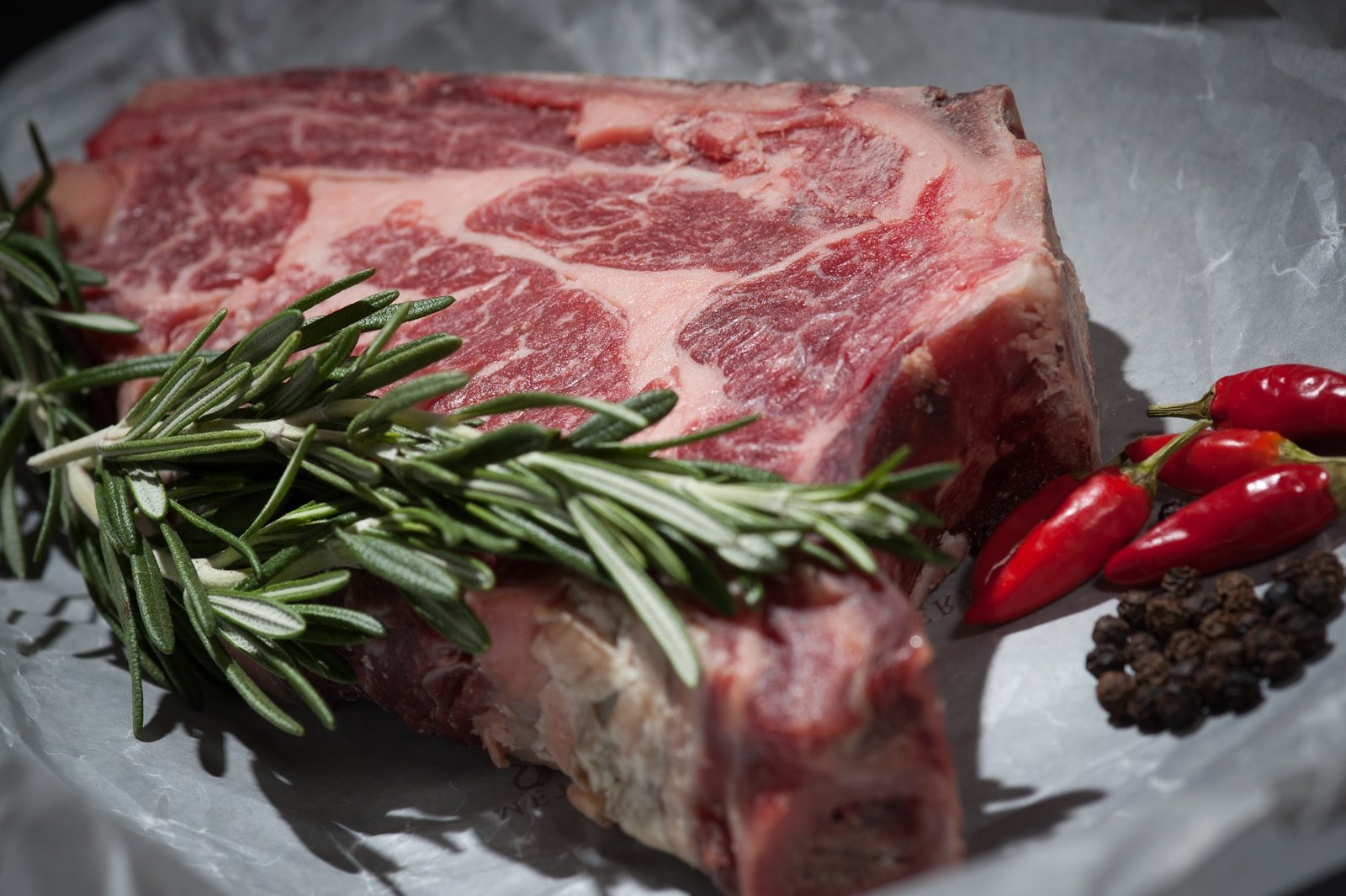
Exploring the Connection Between Pilots' Spouses Network and Meat Consumption Trends in Canada
Read More →2 years ago
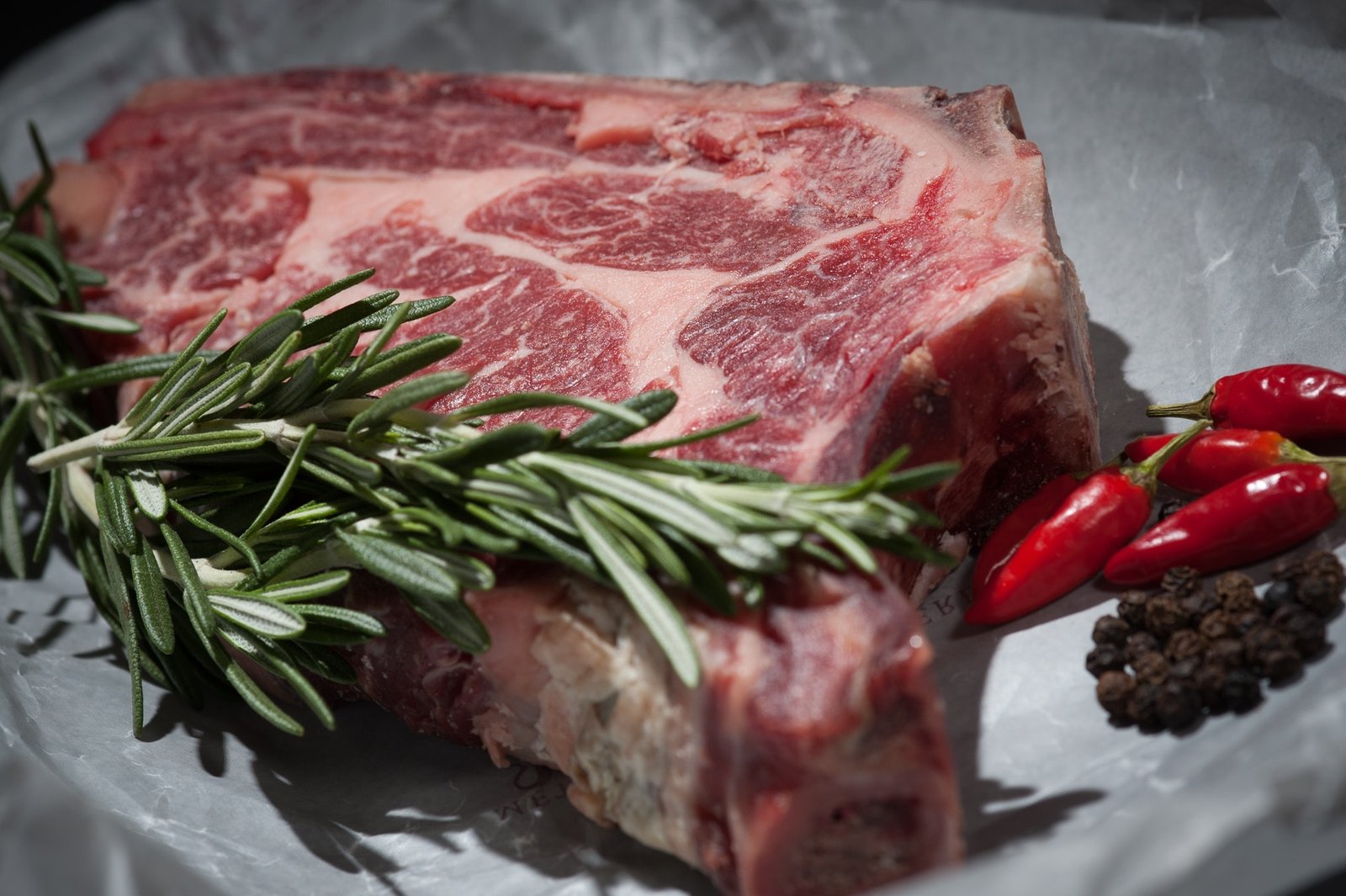
Connecting Pilots' Spouses Through a Meat and Chicken Pickup Network in Canada
Read More →2 years ago
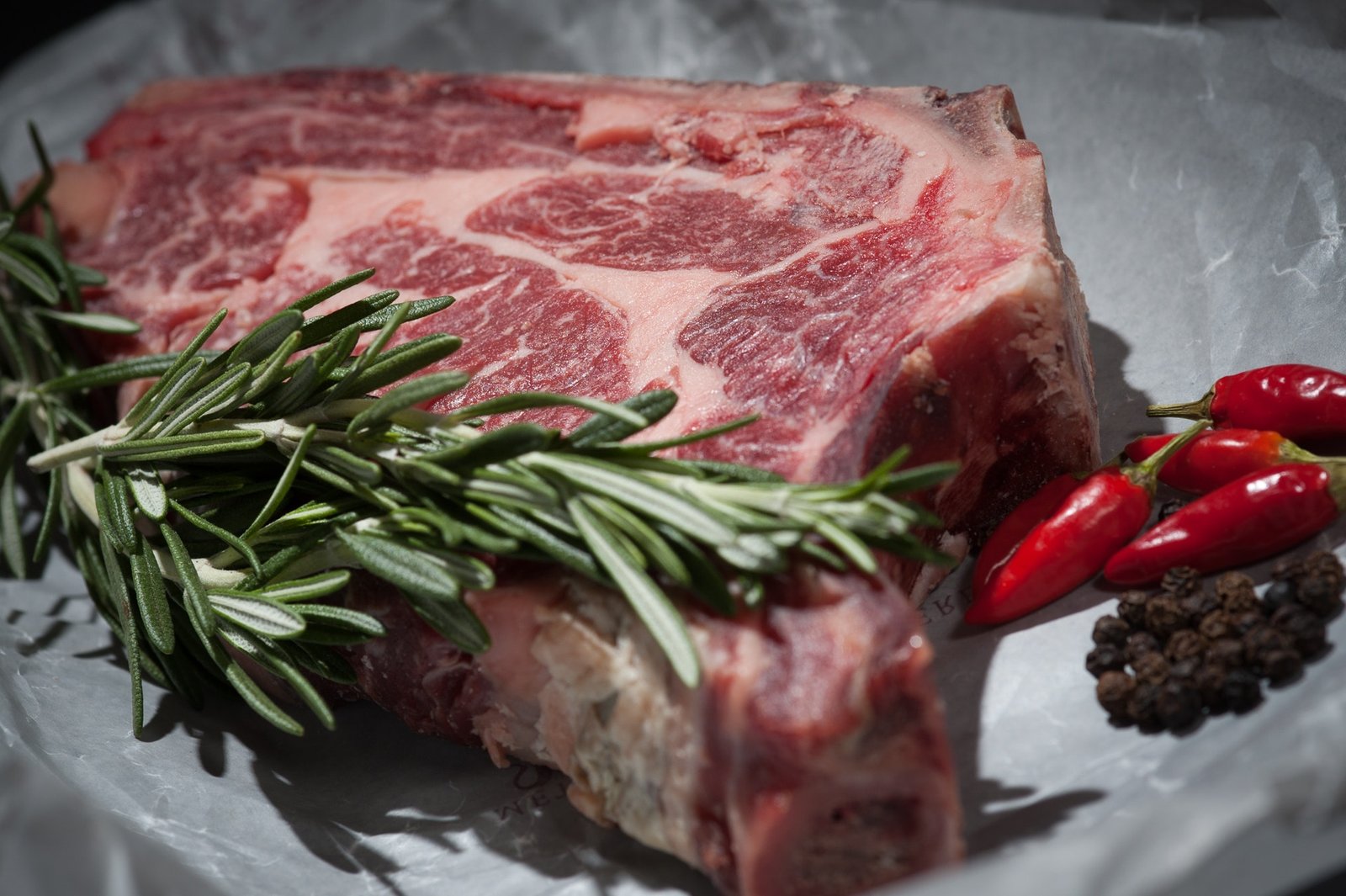
The Pilots' Spouses Network: Ensuring Convenient Meat and Chicken Delivery across Canada
Read More →2 years ago

Understanding Canadian Meat Certification and Labeling Standards: A Guide for Pilots' Spouses
Read More →2 years ago
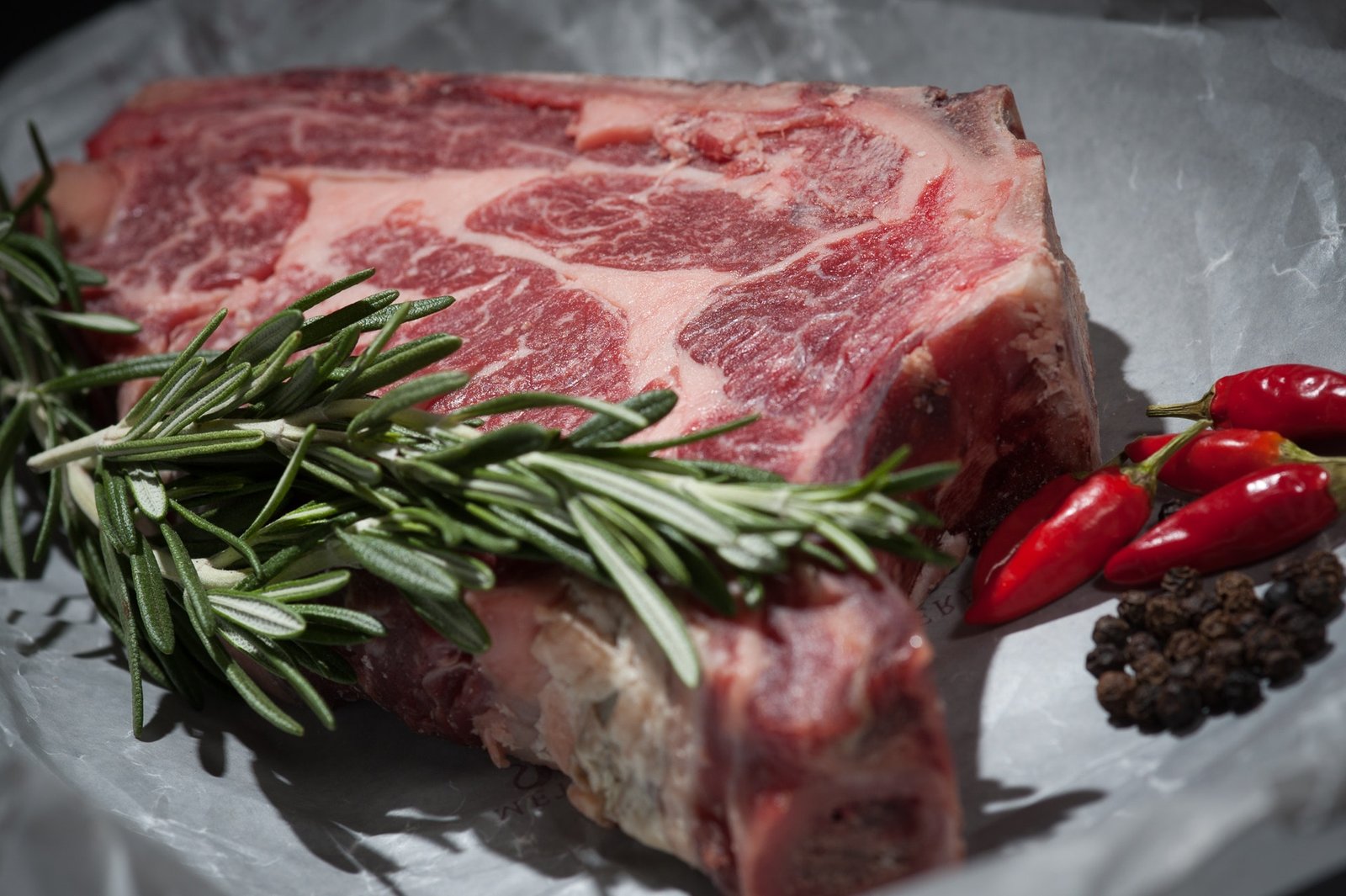
How the Pilots' Spouses Network is Now Offering Meat Beef Pickup in Canada
Read More →2 years ago
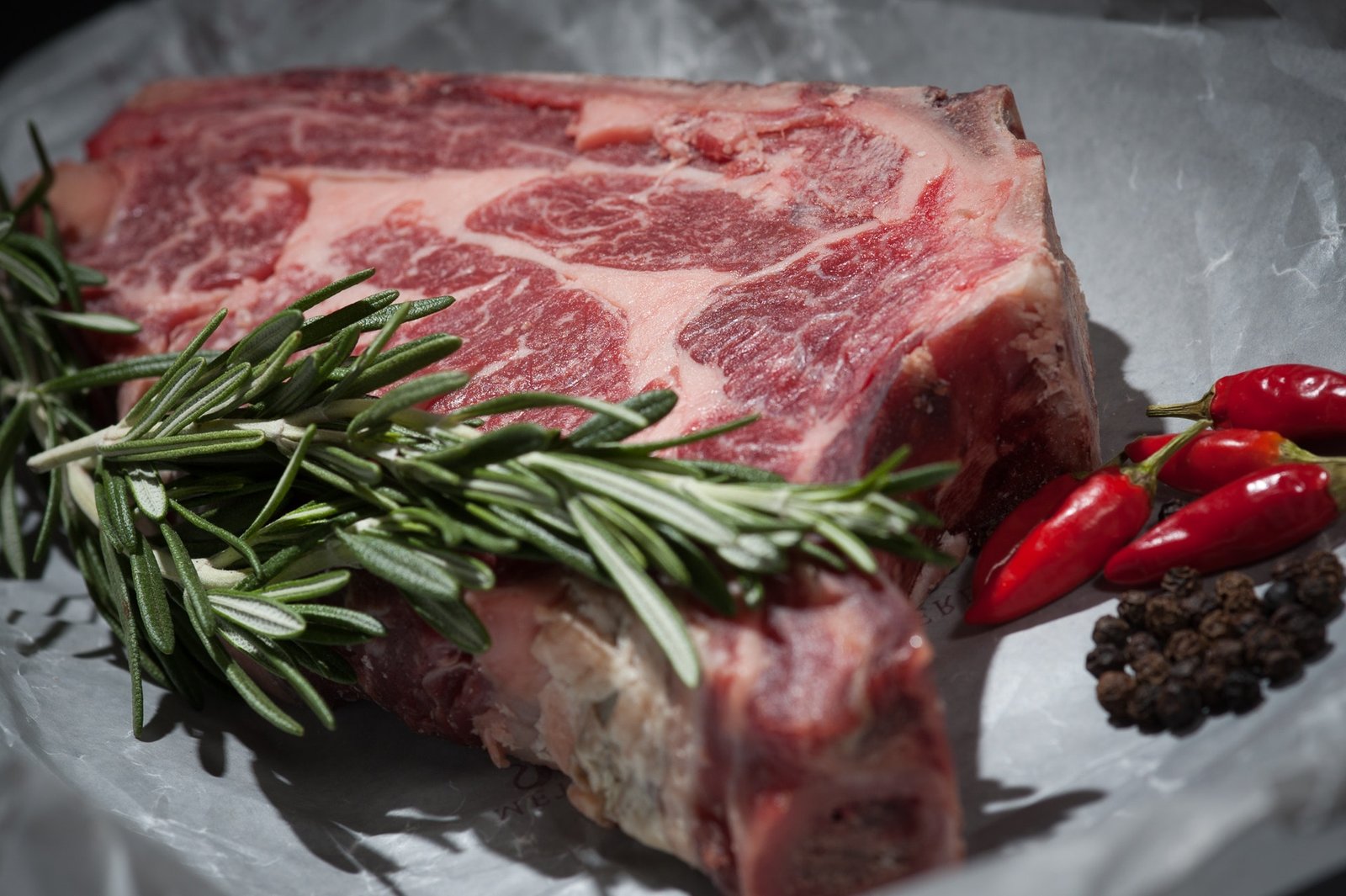
Connecting Pilots' Spouses Through the Meat and Beef Delivery Network in Canada
Read More →2 years ago
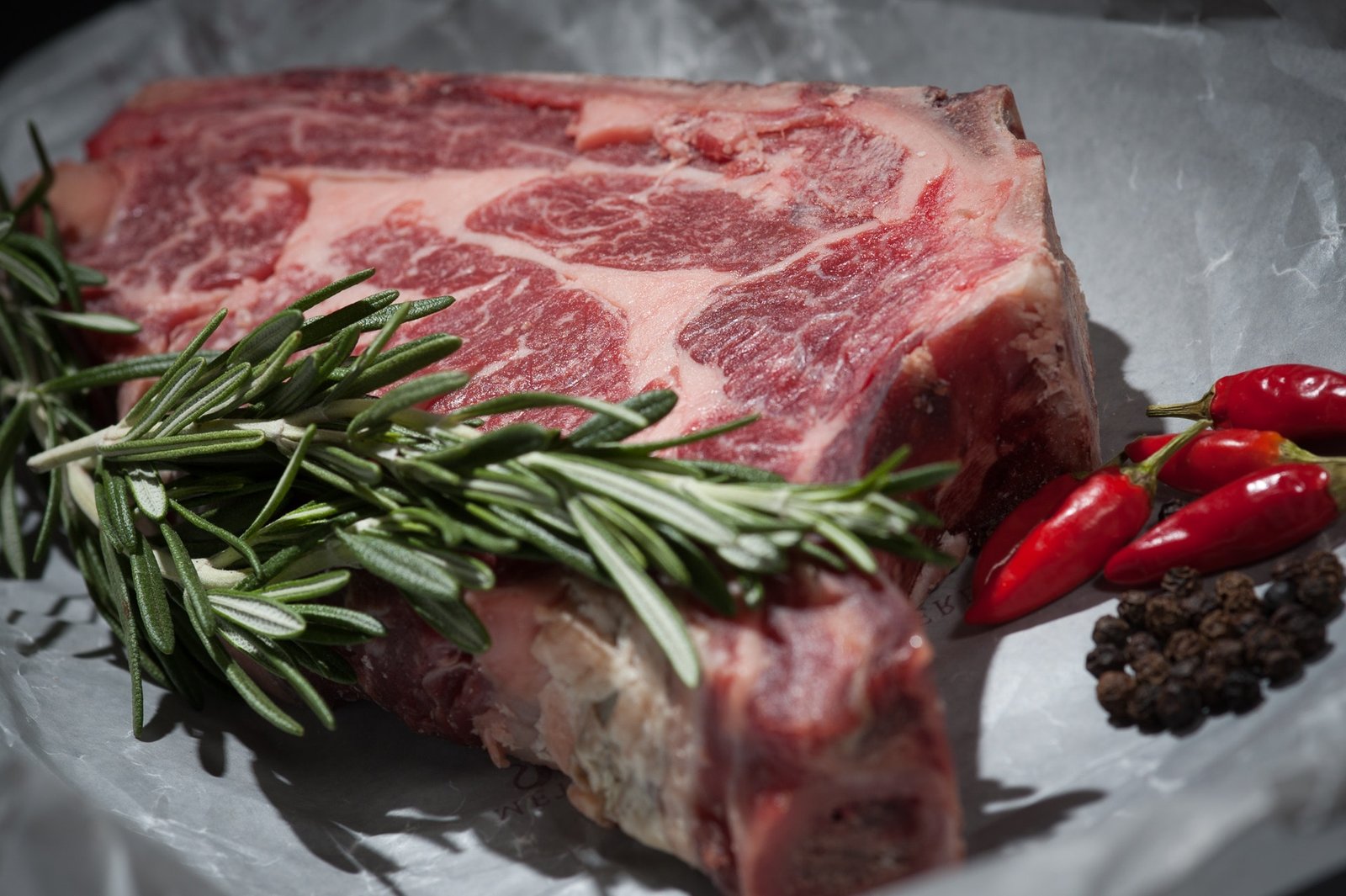
Exploring Meat Alternative Products and Companies in Canada: A Guide for Pilot's Spouses
Read More →2 years ago
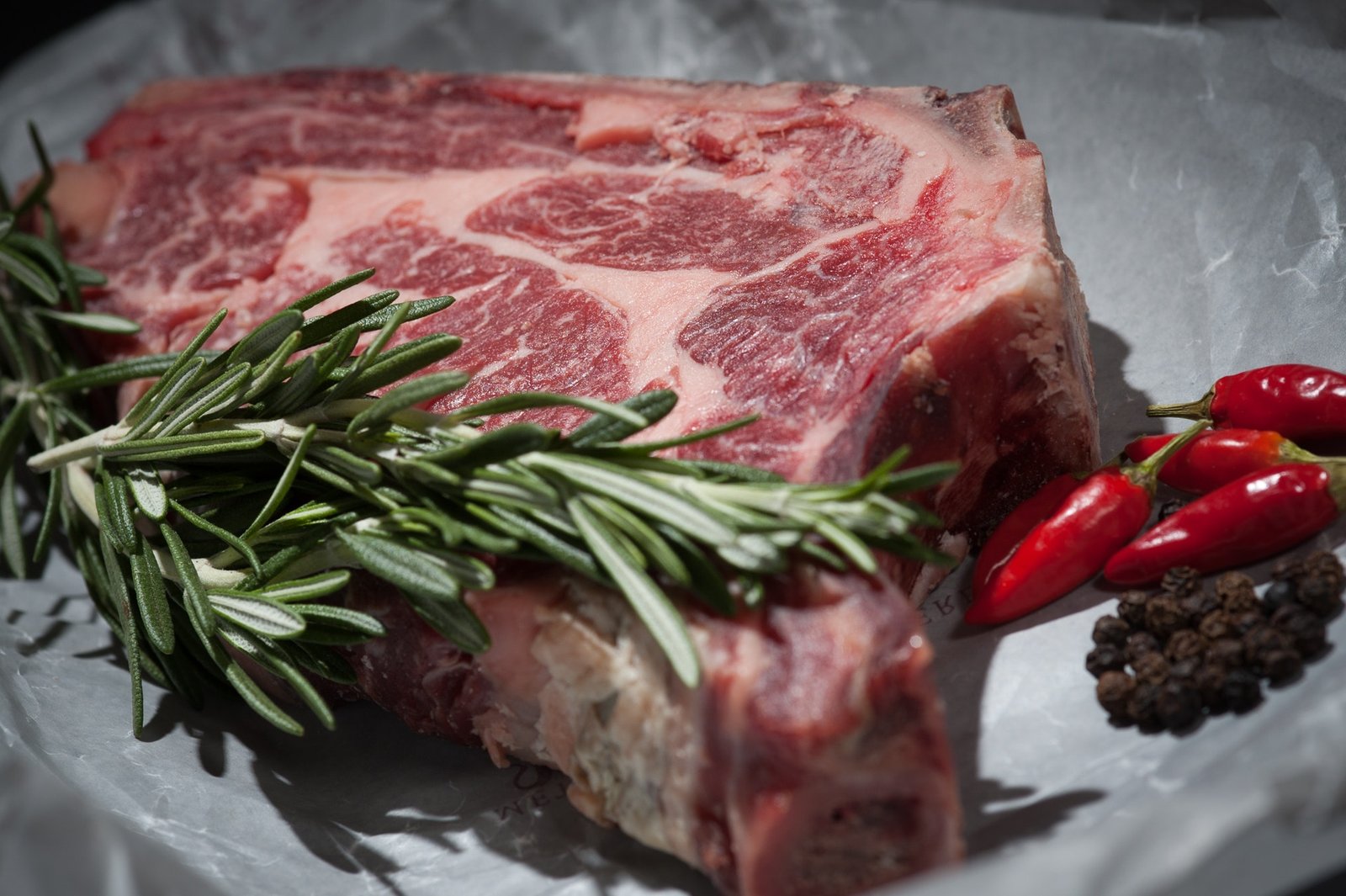
Exploring Adriatic Food: A Meat and Poultry Delight for Pilots and Their Spouses
Read More →2 years ago
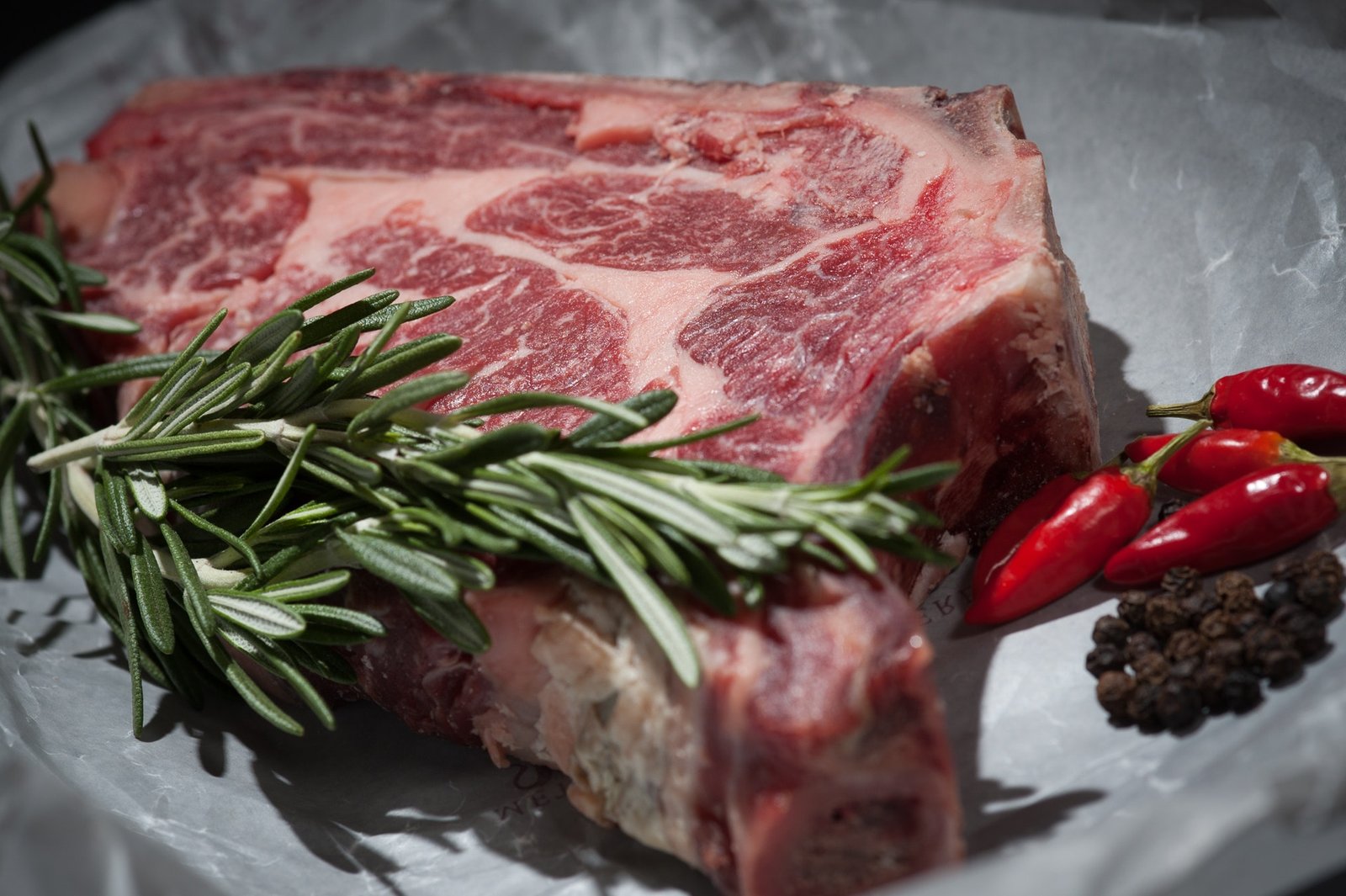
Exploring Vegetarian Meat Substitutes in the Pilots Community of Canada
Read More →2 years ago
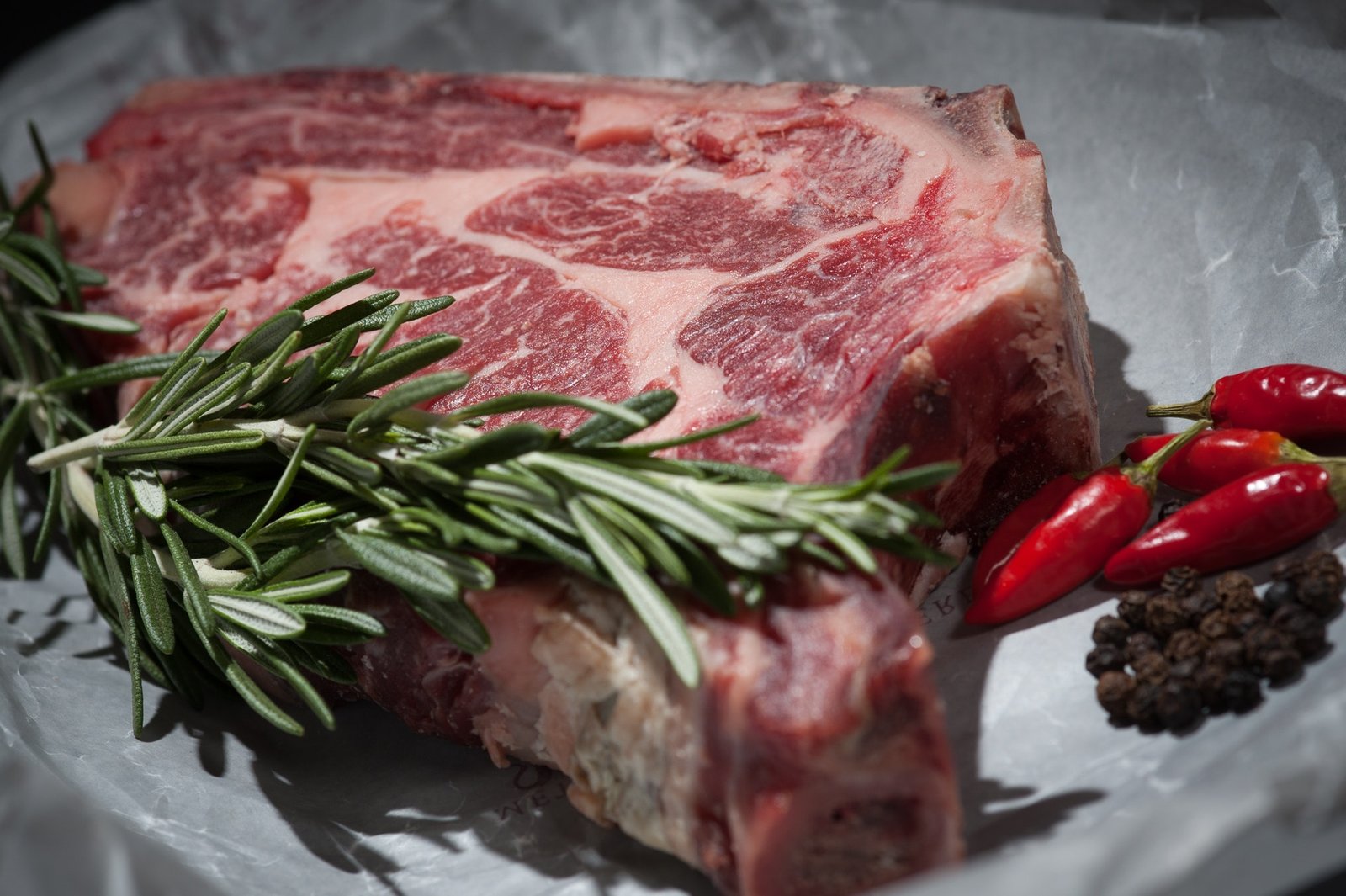
Navigating the Skies with Plant-Based Delights: Vegan Substitutes for Meat and Dairy
Read More →2 years ago
Exploring the Connection Between Pilots' Spouses Network and Meat Consumption Trends in Canada
Read More →2 years ago
Connecting Pilots' Spouses Through a Meat and Chicken Pickup Network in Canada
Read More →2 years ago
The Pilots' Spouses Network: Ensuring Convenient Meat and Chicken Delivery across Canada
Read More →2 years ago
Understanding Canadian Meat Certification and Labeling Standards: A Guide for Pilots' Spouses
Read More →2 years ago
How the Pilots' Spouses Network is Now Offering Meat Beef Pickup in Canada
Read More →2 years ago
Connecting Pilots' Spouses Through the Meat and Beef Delivery Network in Canada
Read More →2 years ago
Exploring Meat Alternative Products and Companies in Canada: A Guide for Pilot's Spouses
Read More →2 years ago
Exploring Adriatic Food: A Meat and Poultry Delight for Pilots and Their Spouses
Read More →2 years ago
Exploring Vegetarian Meat Substitutes in the Pilots Community of Canada
Read More →2 years ago
Navigating the Skies with Plant-Based Delights: Vegan Substitutes for Meat and Dairy
Read More →2 years ago
Exploring the Connection Between Pilots' Spouses Network and Meat Consumption Trends in Canada
Read More →2 years ago
Connecting Pilots' Spouses Through a Meat and Chicken Pickup Network in Canada
Read More →2 years ago
The Pilots' Spouses Network: Ensuring Convenient Meat and Chicken Delivery across Canada
Read More →2 years ago
Understanding Canadian Meat Certification and Labeling Standards: A Guide for Pilots' Spouses
Read More →2 years ago
How the Pilots' Spouses Network is Now Offering Meat Beef Pickup in Canada
Read More →2 years ago
Connecting Pilots' Spouses Through the Meat and Beef Delivery Network in Canada
Read More →2 years ago
Exploring Meat Alternative Products and Companies in Canada: A Guide for Pilot's Spouses
Read More →2 years ago
Exploring Adriatic Food: A Meat and Poultry Delight for Pilots and Their Spouses
Read More →2 years ago
Exploring Vegetarian Meat Substitutes in the Pilots Community of Canada
Read More →2 years ago