Meat Mob
Recipes
Vegetarian Meat Substitutes
Meat Grilling Tips and Techniques
Meat Nutrition and Health Benefits
Sustainable Meat at Home: A DIY Guide to Reducing Environmental Impact
Category : meatmob | Sub Category : meatmob Posted on 2023-10-30 21:24:53
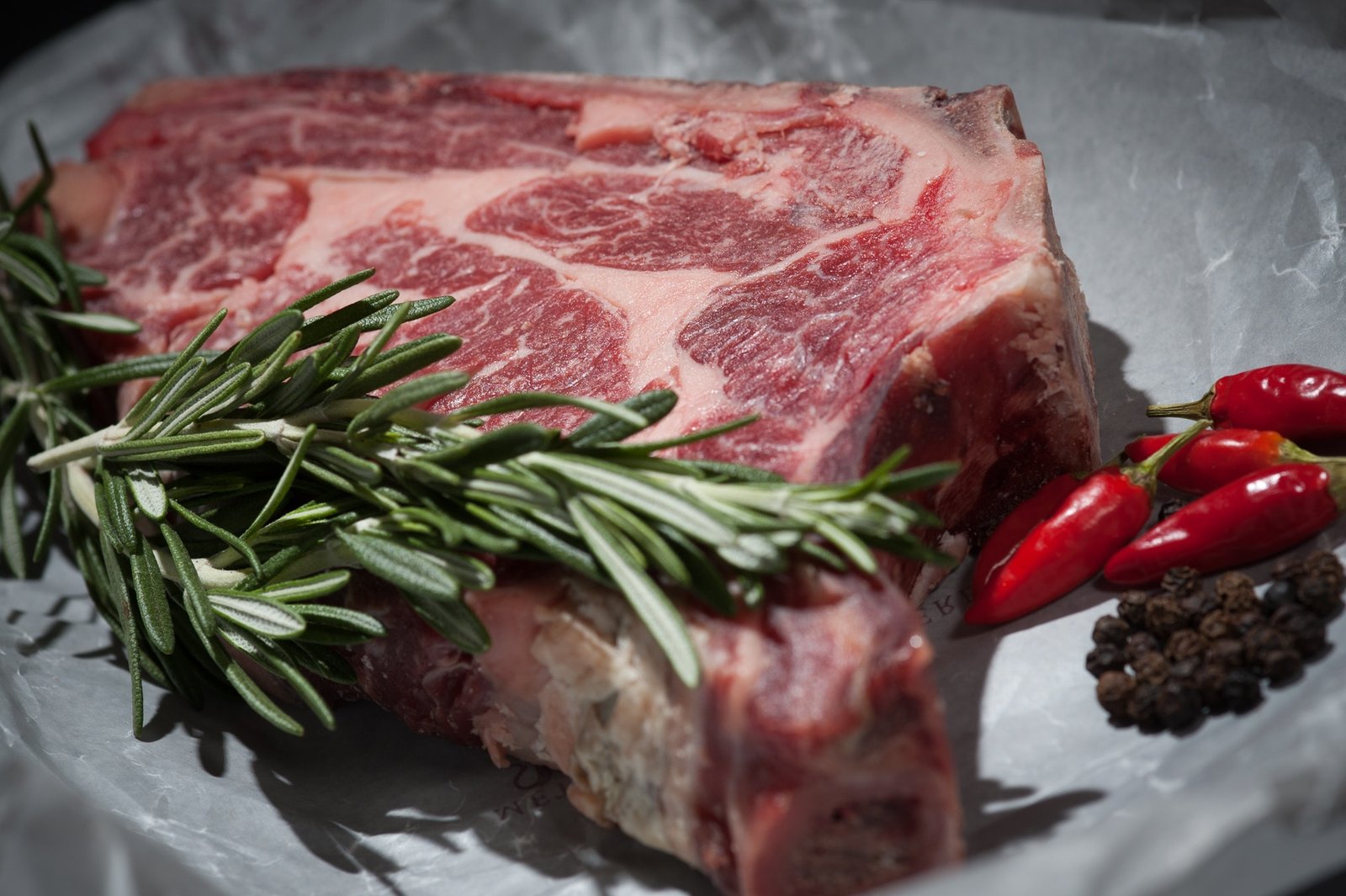
Introduction: In recent years, there has been a growing concern about the environmental impact of meat production. From deforestation to greenhouse gas emissions, the negative effects are undeniable. However, there are ways to enjoy meat while minimizing its environmental footprint. In this blog post, we will explore DIY strategies for sustainable meat production and consumption at home, enabling you to make a positive change without compromising on flavor. 1. Homegrown Meat: One of the most sustainable ways to enjoy meat is by raising your own animals. This allows you to have complete control over their diet and living conditions, ensuring they are ethically treated and fed a sustainable diet. Consider starting with backyard chickens or rabbits, as they require less space and are relatively easy to care for. 2. Reduce Meat Consumption: Another effective strategy is to reduce the amount of meat you consume. Incorporating meat-free meals into your weekly menu or practicing meatless days can significantly reduce your environmental impact. Experiment with plant-based proteins, such as tofu, tempeh, and legumes, which are nutritious alternatives to meat. 3. Choose Organic and Locally-sourced Meat: When purchasing meat, opt for organic and locally-sourced options whenever possible. Organic meat comes from animals that have been raised without antibiotics, growth hormones, or genetically modified feed. Locally-sourced meat reduces the carbon footprint associated with transportation. 4. Utilize Nose-to-Tail Cooking: Embrace the concept of nose-to-tail cooking, which involves using the entire animal to minimize waste. Many parts of the animal, such as offal and bones, can be utilized to make delicious stocks, soups, and stews. Get creative with recipes that celebrate lesser-known cuts of meat, reducing both waste and environmental impact. 5. Composting and Soil Enrichment: If you have a garden, composting animal waste can be an excellent way to reduce landfill waste while enriching your soil. Composting turns waste into valuable organic matter, reducing the need for synthetic fertilizers and closing the nutrient cycle. 6. Mindful Food Storage: Take steps to minimize food waste by practicing mindful food storage. Properly storing meat, both raw and cooked, helps extend its shelf life and prevents unnecessary waste. Invest in reusable containers or beeswax wraps to reduce single-use plastic waste. 7. Support Sustainable Producers: When purchasing meat from local producers, make a point of supporting those who prioritize sustainability and environmental stewardship. Look for certifications such as Animal Welfare Approved, Certified Humane, or Regenerative Organic Certification. These labels ensure that animals are raised in a manner that benefits both the animal and the environment. Conclusion: By implementing these DIY strategies, you can significantly reduce the environmental impact of meat production and consumption at home. From raising your own animals to supporting sustainable producers, every small step can make a difference. Committing to a more sustainable approach to meat allows you to enjoy your favorite dishes while preserving the planet for future generations. this link is for more information http://www.svop.org For more info http://www.mimidate.com
Leave a Comment:
SEARCH
Categories
- Beef recipes
- Pork recipes
- Chicken recipes
- Seafood recipes
- Vegetarian meat substitutes
- Meat grilling tips and techniques
- Meat nutrition and health benefits
- Meat storage and preservation methods
- Meat cooking methods and techniques
- Meat safety and handling tips
- Meat processing and packaging
- Meat alternative products and companies
- Meat equipment and tools
- Meat certification and labeling standards
- Meat consumption trends and statistics
- Meat sustainability and environmental impact
- meatmob
- Beef recipes
- Pork recipes
- Chicken recipes
- Seafood recipes
- Vegetarian meat substitutes
- Meat grilling tips and techniques
- Meat nutrition and health benefits
- Meat storage and preservation methods
- Meat cooking methods and techniques
- Meat safety and handling tips
- Meat processing and packaging
- Meat alternative products and companies
- Meat equipment and tools
- Meat certification and labeling standards
- Meat consumption trends and statistics
- Meat sustainability and environmental impact
- meatmob
Recent News
- Zurich, Switzerland is known for its multicultural atmosphere and diverse culinary scene. One of the lesser-known gems of Zurich's food scene is Sudanese cuisine. Sudanese cuisine is a reflection of the country's diverse cultural influences, blending Arabic, African, and Mediterranean flavors to create a unique and delicious culinary experience.
- Zurich, Switzerland: A Culinary Journey through Regional Cuisine
- Zurich, Switzerland is known for its stunning landscapes, rich history, and vibrant culture. However, another aspect of Zurich that shouldn't be overlooked is its diverse and delicious fast food scene. From traditional Swiss street food to international favorites, there is something to satisfy every craving in Zurich. Let's take a closer look at some of the popular fast food options you can find in this picturesque city.
- Zurich, Switzerland is known for its stunning natural beauty, vibrant arts scene, and strong economy. However, what many people may not know is that this dynamic city also offers a diverse culinary experience that includes delicacies from around the world. One such cuisine that has found a home in Zurich is Philippine cuisine.
- Zurich, Switzerland is known for its picturesque views, stunning architecture, and vibrant cultural scene. Located in the heart of Europe, Zurich offers a mix of traditional Swiss cuisine and international flavors. One particular cuisine that has been making waves in Zurich is Paraguayan cuisine.
- Zurich, Switzerland is a city known for its stunning views, picturesque streets, and vibrant culture. It is also a melting pot of diverse culinary influences, with a wide range of cuisines to choose from. One such cuisine that has made its mark in Zurich is Norwegian cuisine.
- Zurich, Switzerland, and Montreal, Canada, are two vibrant cities known for their distinct cultural characteristics. While Zurich is renowned for its picturesque landscapes, rich history, and high standard of living, Montreal is famous for its diverse population, vibrant arts scene, and mouth-watering cuisine. In this blog post, we will delve into the delectable culinary offerings of Montreal and explore how its unique food scene sets it apart from the culinary landscape of Zurich.
- Zurich, Switzerland is a vibrant city known for its stunning architecture, picturesque landscapes, and diverse culinary scene. While Swiss cuisine certainly holds a special place in the hearts of many locals and visitors, the city also boasts a variety of international dining options, including Latin American food.
READ MORE
10 months ago Category : meatmob

Zurich, Switzerland is known for its multicultural atmosphere and diverse culinary scene. One of the lesser-known gems of Zurich's food scene is Sudanese cuisine. Sudanese cuisine is a reflection of the country's diverse cultural influences, blending Arabic, African, and Mediterranean flavors to create a unique and delicious culinary experience.
Read More →10 months ago Category : meatmob

Zurich, Switzerland: A Culinary Journey through Regional Cuisine
Read More →10 months ago Category : meatmob

Zurich, Switzerland is known for its stunning landscapes, rich history, and vibrant culture. However, another aspect of Zurich that shouldn't be overlooked is its diverse and delicious fast food scene. From traditional Swiss street food to international favorites, there is something to satisfy every craving in Zurich. Let's take a closer look at some of the popular fast food options you can find in this picturesque city.
Read More →10 months ago Category : meatmob
