Meat Mob
Recipes
Vegetarian Meat Substitutes
Meat Grilling Tips and Techniques
Meat Nutrition and Health Benefits
Food safety is a crucial aspect of maintaining good health and preventing foodborne illnesses. While proper cooking and storage techniques are essential, there are also some helpful hacks that can further enhance food safety in your kitchen. By implementing these simple yet effective strategies, you can reduce the risk of contamination and enjoy safer meals. Here are some food safety hacks to incorporate into your routine:
Category : meatmob | Sub Category : meatmob Posted on 2025-11-03 22:25:23
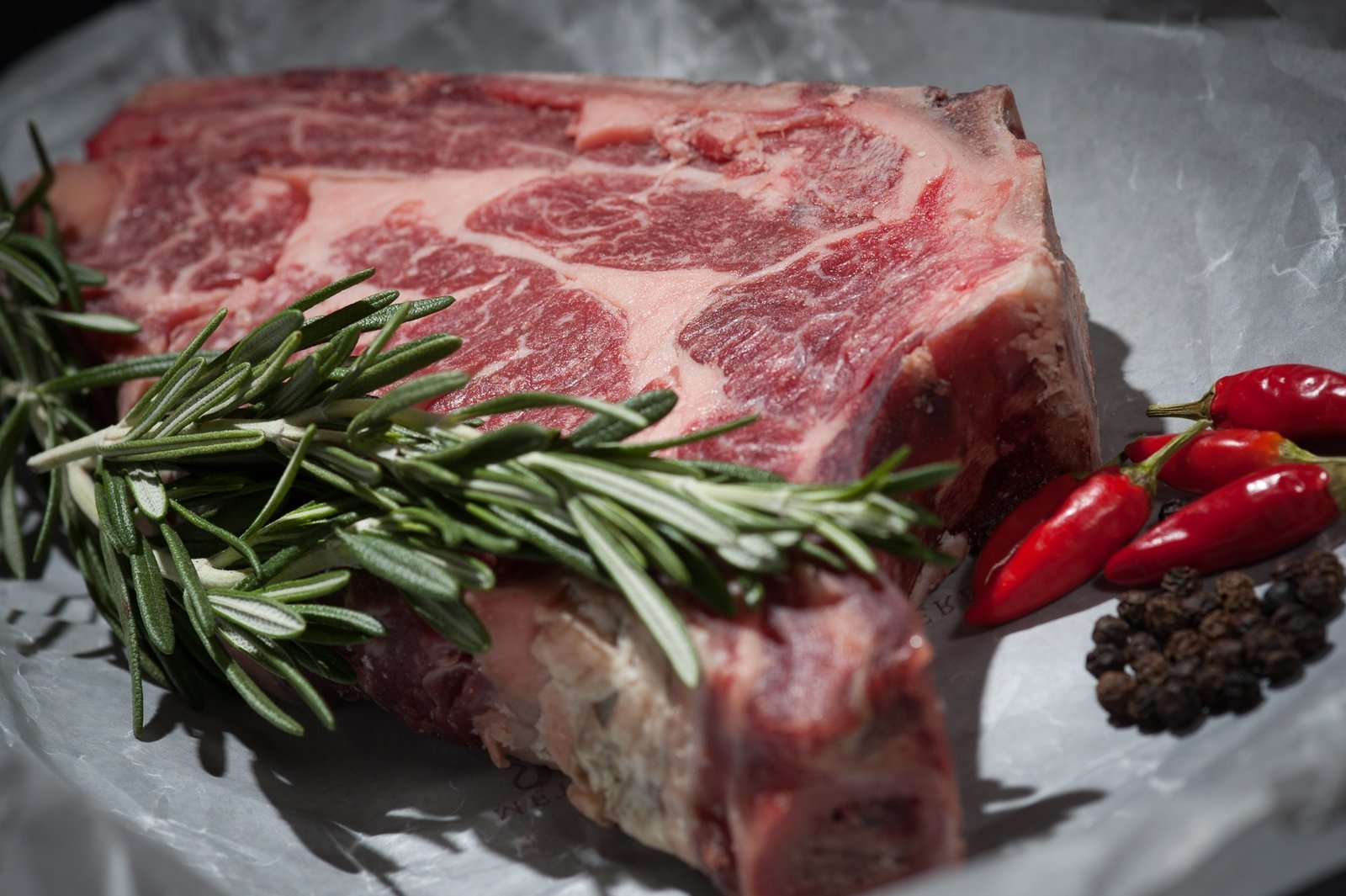
1. Clean as you go: One of the best ways to prevent cross-contamination is to clean as you cook. Keep a sink filled with hot, soapy water and wash utensils, cutting boards, and countertops as soon as you're done using them. This will help eliminate bacteria and other pathogens from spreading to other surfaces. 2. Use color-coded cutting boards: To avoid mixing raw meat with other foods, consider using color-coded cutting boards. Assign a different color for cutting raw meat, poultry, seafood, fruits, and vegetables. This simple hack can help you remember which board is meant for which food group and reduce the risk of cross-contamination. 3. Check the expiration dates: Before using any ingredients or packaged foods, always check the expiration dates. Consuming expired products can increase the risk of foodborne illnesses. Be sure to rotate your pantry items regularly to ensure that you use them before they expire. 4. Properly store leftovers: Leftovers should be stored in airtight containers and placed in the refrigerator within two hours of cooking. Label the containers with the date to keep track of how long they have been stored. Be sure to reheat leftovers to the proper temperature before consuming them. 5. Use a food thermometer: To ensure that meat, poultry, and seafood are cooked to a safe internal temperature, use a food thermometer. Different types of meat require different cooking temperatures to kill harmful bacteria. Insert the thermometer into the thickest part of the meat without touching bone or fat for an accurate reading. 6. Wash produce thoroughly: Fruits and vegetables can harbor harmful bacteria and pesticides, so it's essential to wash them thoroughly before consuming. Use a vegetable brush to scrub firm produce like cucumbers and potatoes, and soak leafy greens in a bowl of water to remove dirt and debris. By incorporating these food safety hacks into your kitchen routine, you can minimize the risk of foodborne illnesses and enjoy safer, healthier meals. Remember that practicing good food safety habits is essential for the well-being of you and your loved ones. also click the following link for more https://www.adriaticfood.com For a deeper dive, visit: https://www.alienvegan.com For a comprehensive review, explore https://www.childnut.com You can find more about this subject in https://www.cfruits.com Seeking answers? You might find them in https://www.topinduction.com Find expert opinions in https://www.foxysweet.com To find answers, navigate to https://www.eatnaturals.com For the latest insights, read: https://www.biofitnesslab.com For a different take on this issue, see https://www.swiss-cuisine.com also visit the following website https://www.mimidate.com To get a different viewpoint, consider: https://www.huevo.org To get a holistic view, consider https://www.digestible.org Dive into the details to understand this topic thoroughly. https://www.vacas.net Want to learn more? Start with: https://www.agriculturist.org Seeking more information? The following has you covered. https://www.cheffy.org To learn more, take a look at: https://www.loseweighton.com visit: https://www.stomachs.org Here is the following website to check: https://www.yemekleri.org Take a deep dive into this topic by checking: https://www.salting.org Don't miss more information at https://www.instan.net Check the link below: https://www.japfa.org To understand this better, read https://www.makanan.org For more information: https://www.nafdac.org also for more https://www.gustar.net
Leave a Comment:
SEARCH
Categories
- Beef recipes
- Pork recipes
- Chicken recipes
- Seafood recipes
- Vegetarian meat substitutes
- Meat grilling tips and techniques
- Meat nutrition and health benefits
- Meat storage and preservation methods
- Meat cooking methods and techniques
- Meat safety and handling tips
- Meat processing and packaging
- Meat alternative products and companies
- Meat equipment and tools
- Meat certification and labeling standards
- Meat consumption trends and statistics
- Meat sustainability and environmental impact
- meatmob
Recent News
- Zurich, Switzerland is known for its multicultural atmosphere and diverse culinary scene. One of the lesser-known gems of Zurich's food scene is Sudanese cuisine. Sudanese cuisine is a reflection of the country's diverse cultural influences, blending Arabic, African, and Mediterranean flavors to create a unique and delicious culinary experience.
- Zurich, Switzerland: A Culinary Journey through Regional Cuisine
- Zurich, Switzerland is known for its stunning landscapes, rich history, and vibrant culture. However, another aspect of Zurich that shouldn't be overlooked is its diverse and delicious fast food scene. From traditional Swiss street food to international favorites, there is something to satisfy every craving in Zurich. Let's take a closer look at some of the popular fast food options you can find in this picturesque city.
- Zurich, Switzerland is known for its stunning natural beauty, vibrant arts scene, and strong economy. However, what many people may not know is that this dynamic city also offers a diverse culinary experience that includes delicacies from around the world. One such cuisine that has found a home in Zurich is Philippine cuisine.
- Zurich, Switzerland is known for its picturesque views, stunning architecture, and vibrant cultural scene. Located in the heart of Europe, Zurich offers a mix of traditional Swiss cuisine and international flavors. One particular cuisine that has been making waves in Zurich is Paraguayan cuisine.
- Zurich, Switzerland is a city known for its stunning views, picturesque streets, and vibrant culture. It is also a melting pot of diverse culinary influences, with a wide range of cuisines to choose from. One such cuisine that has made its mark in Zurich is Norwegian cuisine.
- Zurich, Switzerland, and Montreal, Canada, are two vibrant cities known for their distinct cultural characteristics. While Zurich is renowned for its picturesque landscapes, rich history, and high standard of living, Montreal is famous for its diverse population, vibrant arts scene, and mouth-watering cuisine. In this blog post, we will delve into the delectable culinary offerings of Montreal and explore how its unique food scene sets it apart from the culinary landscape of Zurich.
- Zurich, Switzerland is a vibrant city known for its stunning architecture, picturesque landscapes, and diverse culinary scene. While Swiss cuisine certainly holds a special place in the hearts of many locals and visitors, the city also boasts a variety of international dining options, including Latin American food.
READ MORE
11 months ago Category : meatmob

Zurich, Switzerland is known for its multicultural atmosphere and diverse culinary scene. One of the lesser-known gems of Zurich's food scene is Sudanese cuisine. Sudanese cuisine is a reflection of the country's diverse cultural influences, blending Arabic, African, and Mediterranean flavors to create a unique and delicious culinary experience.
Read More →11 months ago Category : meatmob

Zurich, Switzerland: A Culinary Journey through Regional Cuisine
Read More →11 months ago Category : meatmob

Zurich, Switzerland is known for its stunning landscapes, rich history, and vibrant culture. However, another aspect of Zurich that shouldn't be overlooked is its diverse and delicious fast food scene. From traditional Swiss street food to international favorites, there is something to satisfy every craving in Zurich. Let's take a closer look at some of the popular fast food options you can find in this picturesque city.
Read More →11 months ago Category : meatmob
