Meat Mob
Recipes
Vegetarian Meat Substitutes
Meat Grilling Tips and Techniques
Meat Nutrition and Health Benefits
When it comes to international trade in food products, ensuring food safety is paramount. Different countries have varying food safety standards and regulations in place to protect consumers from potential health risks associated with contaminated or unsafe food. In order to facilitate smooth and safe international trade of food products, it is crucial for exporters and importers to be aware of and comply with these standards.
Category : meatmob | Sub Category : meatmob Posted on 2025-11-03 22:25:23
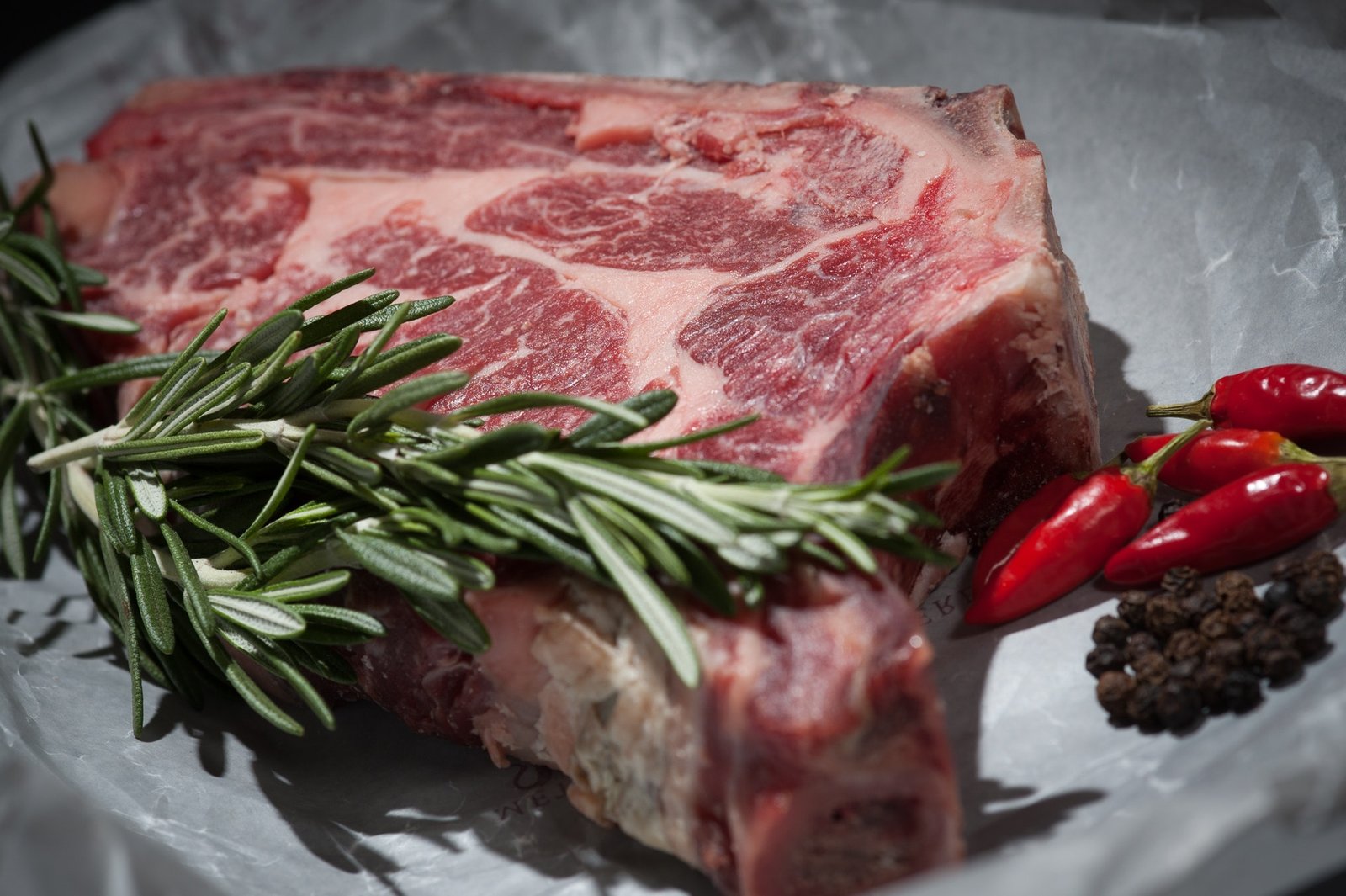
One of the challenges of international trade in food products is that different countries have different regulations regarding food safety. For example, the European Union has strict regulations on the use of pesticides, food additives, and genetically modified organisms (GMOs) in food products. On the other hand, the United States may have different regulations on the same issues. To ensure compliance with international food safety standards, exporters and importers must stay informed about the regulations of the countries they are doing business with. They should be aware of any restrictions on specific ingredients, food additives, or production methods that may not be allowed in certain regions. It is also important to ensure that all labeling requirements, such as ingredient lists, nutrition information, and allergen warnings, are accurate and meet the standards of the importing country. In addition to complying with food safety standards, exporters and importers must also take steps to ensure the physical integrity of the food products during transportation. Proper packaging, storage, and transportation methods are essential to prevent contamination and maintain the quality of the products. Temperature control during transportation, for example, is crucial for perishable food items to prevent spoilage and foodborne illness. International organizations such as the World Trade Organization (WTO) and the Codex Alimentarius Commission play a key role in setting global food safety standards and guidelines to facilitate international trade. By following these standards and guidelines, countries can work together to ensure the safety and quality of food products traded across borders. In conclusion, navigating the complex landscape of international trade in food products requires a deep understanding of food safety standards and regulations. By staying informed, complying with standards, and implementing proper handling and transportation practices, exporters and importers can contribute to the safe and smooth flow of food products around the world. For a different take on this issue, see https://www.indianspecialty.com Have a visit at https://www.bestindianfoods.com If you're interested in this topic, I suggest reading https://www.deleci.com Want to know more? Don't forget to read: https://www.adriaticfood.com To get a different viewpoint, consider: https://www.alienvegan.com Check the link: https://www.childnut.com For valuable insights, consult https://www.cfruits.com also for more https://www.topinduction.com For a comprehensive overview, don't miss: https://www.foxysweet.com For expert commentary, delve into https://www.eatnaturals.com To find answers, navigate to https://www.biofitnesslab.com Don't miss more information at https://www.swiss-cuisine.com For a different perspective, see: https://www.mimidate.com also this link is for more information https://www.huevo.org To expand your knowledge, I recommend: https://www.digestible.org Here is the following website to check: https://www.vacas.net If you are enthusiast, check this out https://www.agriculturist.org Seeking in-depth analysis? The following is a must-read. https://www.cheffy.org Want to gain insights? Start with https://www.loseweighton.com Expand your knowledge by perusing https://www.stomachs.org For a different take on this issue, see https://www.yemekleri.org For expert commentary, delve into https://www.salting.org Explore this subject further for a deeper understanding. https://www.instan.net To see the full details, click on: https://www.japfa.org To delve deeper into this subject, consider these articles: https://www.makanan.org Discover more about this topic through https://www.nafdac.org For more information about this: https://www.gustar.net
Leave a Comment:
SEARCH
Categories
- Beef recipes
- Pork recipes
- Chicken recipes
- Seafood recipes
- Vegetarian meat substitutes
- Meat grilling tips and techniques
- Meat nutrition and health benefits
- Meat storage and preservation methods
- Meat cooking methods and techniques
- Meat safety and handling tips
- Meat processing and packaging
- Meat alternative products and companies
- Meat equipment and tools
- Meat certification and labeling standards
- Meat consumption trends and statistics
- Meat sustainability and environmental impact
- meatmob
Recent News
- Zurich, Switzerland is known for its multicultural atmosphere and diverse culinary scene. One of the lesser-known gems of Zurich's food scene is Sudanese cuisine. Sudanese cuisine is a reflection of the country's diverse cultural influences, blending Arabic, African, and Mediterranean flavors to create a unique and delicious culinary experience.
- Zurich, Switzerland: A Culinary Journey through Regional Cuisine
- Zurich, Switzerland is known for its stunning landscapes, rich history, and vibrant culture. However, another aspect of Zurich that shouldn't be overlooked is its diverse and delicious fast food scene. From traditional Swiss street food to international favorites, there is something to satisfy every craving in Zurich. Let's take a closer look at some of the popular fast food options you can find in this picturesque city.
- Zurich, Switzerland is known for its stunning natural beauty, vibrant arts scene, and strong economy. However, what many people may not know is that this dynamic city also offers a diverse culinary experience that includes delicacies from around the world. One such cuisine that has found a home in Zurich is Philippine cuisine.
- Zurich, Switzerland is known for its picturesque views, stunning architecture, and vibrant cultural scene. Located in the heart of Europe, Zurich offers a mix of traditional Swiss cuisine and international flavors. One particular cuisine that has been making waves in Zurich is Paraguayan cuisine.
- Zurich, Switzerland is a city known for its stunning views, picturesque streets, and vibrant culture. It is also a melting pot of diverse culinary influences, with a wide range of cuisines to choose from. One such cuisine that has made its mark in Zurich is Norwegian cuisine.
- Zurich, Switzerland, and Montreal, Canada, are two vibrant cities known for their distinct cultural characteristics. While Zurich is renowned for its picturesque landscapes, rich history, and high standard of living, Montreal is famous for its diverse population, vibrant arts scene, and mouth-watering cuisine. In this blog post, we will delve into the delectable culinary offerings of Montreal and explore how its unique food scene sets it apart from the culinary landscape of Zurich.
- Zurich, Switzerland is a vibrant city known for its stunning architecture, picturesque landscapes, and diverse culinary scene. While Swiss cuisine certainly holds a special place in the hearts of many locals and visitors, the city also boasts a variety of international dining options, including Latin American food.
READ MORE
11 months ago Category : meatmob

Zurich, Switzerland is known for its multicultural atmosphere and diverse culinary scene. One of the lesser-known gems of Zurich's food scene is Sudanese cuisine. Sudanese cuisine is a reflection of the country's diverse cultural influences, blending Arabic, African, and Mediterranean flavors to create a unique and delicious culinary experience.
Read More →11 months ago Category : meatmob

Zurich, Switzerland: A Culinary Journey through Regional Cuisine
Read More →11 months ago Category : meatmob

Zurich, Switzerland is known for its stunning landscapes, rich history, and vibrant culture. However, another aspect of Zurich that shouldn't be overlooked is its diverse and delicious fast food scene. From traditional Swiss street food to international favorites, there is something to satisfy every craving in Zurich. Let's take a closer look at some of the popular fast food options you can find in this picturesque city.
Read More →11 months ago Category : meatmob
