Meat Mob
Recipes
Vegetarian Meat Substitutes
Meat Grilling Tips and Techniques
Meat Nutrition and Health Benefits
Maximizing Freshness: Effective Cold Chain Strategies for the Meat Industry
Category : meatmob | Sub Category : meatmob Posted on 2024-01-30 21:24:53
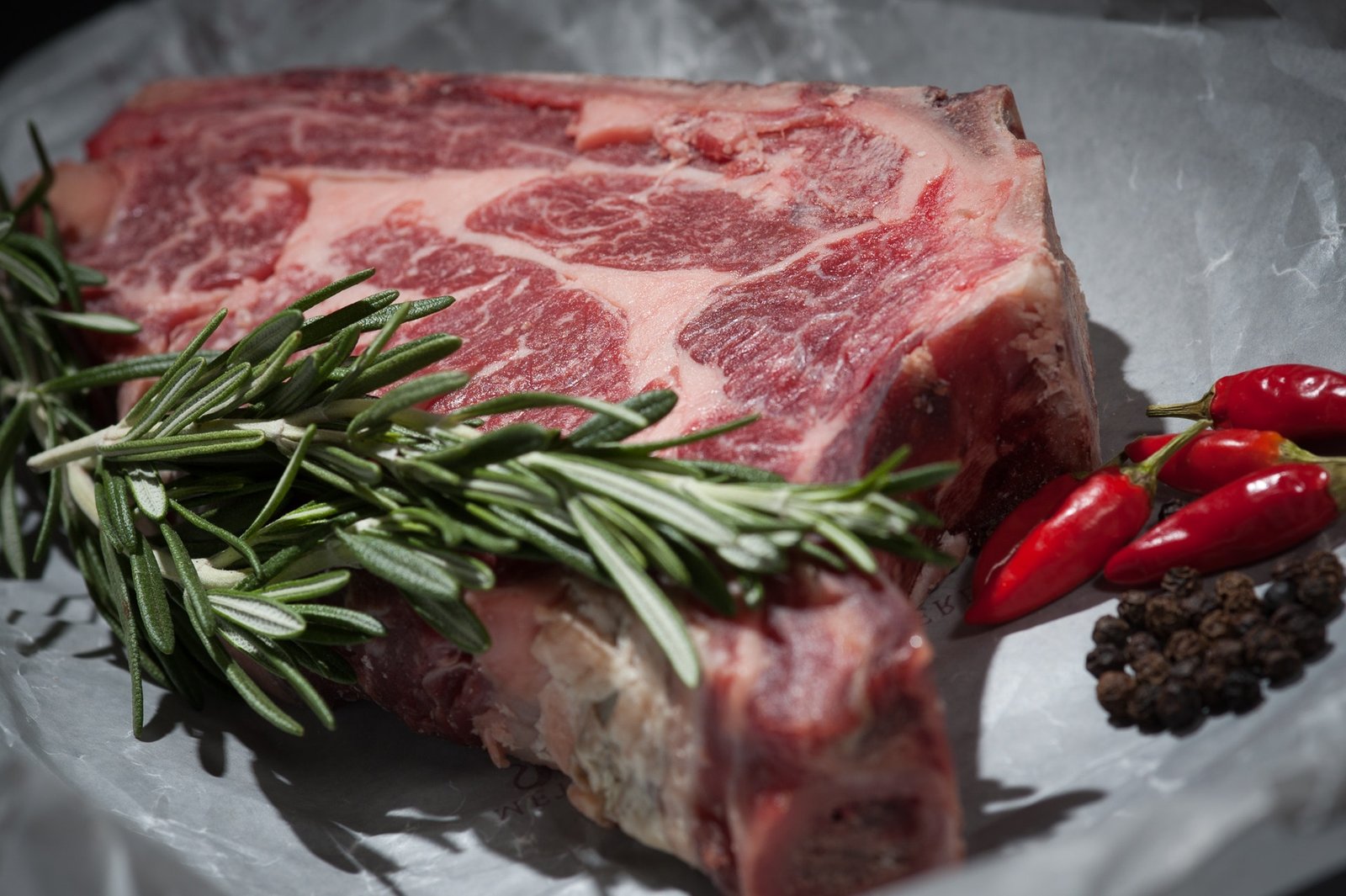
Introduction: For the meat industry, maintaining product integrity and ensuring freshness from farm to fork is of utmost importance. With the global demand for meat products on the rise, implementing robust cold chain strategies is crucial to meet the stringent quality and safety standards expected by consumers. In this blog post, we will explore the key components of an effective cold chain strategy for the meat industry and why it is essential for maintaining the freshness and quality of meat products.
1. Proper Storage and Climate Control: One of the primary elements of an effective cold chain strategy is ensuring the proper storage and climate control of meat products. From the moment the meat is harvested or processed, it should be immediately chilled and stored at the recommended temperature to slow down bacterial growth and maintain freshness. Refrigerated warehouses and transport vehicles equipped with temperature monitoring systems play a vital role in ensuring that the optimal temperature is maintained throughout the cold chain.
2. Temperature Monitoring and Documentation: Accurate and real-time temperature monitoring is essential to identify any deviations or fluctuations that may occur during transportation and storage. The use of advanced technology such as temperature sensors, data loggers, and remote monitoring systems enables real-time tracking of the temperature conditions. This data helps in identifying potential issues before they compromise the quality and freshness of the meat.
A key aspect of temperature monitoring is proper documentation. Logbooks or electronic systems should be maintained to record temperature readings at various stages of the cold chain. This documentation not only ensures compliance with regulatory standards but also provides a traceable record of temperature management, allowing for timely corrective actions when needed.
3. Proper Packaging and Handling: Packaging plays a critical role in preserving the freshness and quality of meat products during transportation and storage. Vacuum-sealed or Modified Atmosphere Packaging (MAP) techniques can extend the shelf life of meat products by reducing oxygen levels and inhibiting microbial growth. Proper handling practices, including hygiene protocols, are also vital to prevent cross-contamination and maintain food safety.
4. Efficient Transportation: Transportation is a crucial phase within the cold chain. Choosing the right transport mode and ensuring time-sensitive deliveries is paramount for preserving meat freshness. Refrigerated trucks, containers, and specialized transportation services must be employed to maintain the prescribed temperature range during transit. Additionally, optimizing routes and minimizing travel time can help prevent temperature fluctuations and minimize the risk of spoilage.
5. Training and Education: Implementing successful cold chain strategies requires trained personnel equipped with the knowledge and skills necessary to handle meat products safely and efficiently. Regular training programs should be conducted to educate staff about proper cold chain protocols, temperature monitoring procedures, and safe handling practices. This ongoing training fosters a culture of quality, ensuring that all individuals involved in the cold chain understand the importance of maintaining freshness and upholding food safety standards.
Conclusion: Implementing effective cold chain strategies is vital for the meat industry to ensure the delivery of fresh, safe, and high-quality meat products to consumers. By focusing on proper storage and climate control, temperature monitoring, packaging and handling, efficient transportation, and training and education, meat producers can minimize spoilage, reduce product waste, and build trust with their customers. Investing in a robust cold chain strategy not only ensures food safety but also contributes to the overall sustainability and success of the meat industry. Have a visit at http://www.abastecimiento.net
Leave a Comment:
SEARCH
Categories
- Beef recipes
- Pork recipes
- Chicken recipes
- Seafood recipes
- Vegetarian meat substitutes
- Meat grilling tips and techniques
- Meat nutrition and health benefits
- Meat storage and preservation methods
- Meat cooking methods and techniques
- Meat safety and handling tips
- Meat processing and packaging
- Meat alternative products and companies
- Meat equipment and tools
- Meat certification and labeling standards
- Meat consumption trends and statistics
- Meat sustainability and environmental impact
- meatmob
Recent News
- Zurich, Switzerland is known for its multicultural atmosphere and diverse culinary scene. One of the lesser-known gems of Zurich's food scene is Sudanese cuisine. Sudanese cuisine is a reflection of the country's diverse cultural influences, blending Arabic, African, and Mediterranean flavors to create a unique and delicious culinary experience.
- Zurich, Switzerland: A Culinary Journey through Regional Cuisine
- Zurich, Switzerland is known for its stunning landscapes, rich history, and vibrant culture. However, another aspect of Zurich that shouldn't be overlooked is its diverse and delicious fast food scene. From traditional Swiss street food to international favorites, there is something to satisfy every craving in Zurich. Let's take a closer look at some of the popular fast food options you can find in this picturesque city.
- Zurich, Switzerland is known for its stunning natural beauty, vibrant arts scene, and strong economy. However, what many people may not know is that this dynamic city also offers a diverse culinary experience that includes delicacies from around the world. One such cuisine that has found a home in Zurich is Philippine cuisine.
- Zurich, Switzerland is known for its picturesque views, stunning architecture, and vibrant cultural scene. Located in the heart of Europe, Zurich offers a mix of traditional Swiss cuisine and international flavors. One particular cuisine that has been making waves in Zurich is Paraguayan cuisine.
- Zurich, Switzerland is a city known for its stunning views, picturesque streets, and vibrant culture. It is also a melting pot of diverse culinary influences, with a wide range of cuisines to choose from. One such cuisine that has made its mark in Zurich is Norwegian cuisine.
- Zurich, Switzerland, and Montreal, Canada, are two vibrant cities known for their distinct cultural characteristics. While Zurich is renowned for its picturesque landscapes, rich history, and high standard of living, Montreal is famous for its diverse population, vibrant arts scene, and mouth-watering cuisine. In this blog post, we will delve into the delectable culinary offerings of Montreal and explore how its unique food scene sets it apart from the culinary landscape of Zurich.
- Zurich, Switzerland is a vibrant city known for its stunning architecture, picturesque landscapes, and diverse culinary scene. While Swiss cuisine certainly holds a special place in the hearts of many locals and visitors, the city also boasts a variety of international dining options, including Latin American food.
READ MORE
11 months ago Category : meatmob

Zurich, Switzerland is known for its multicultural atmosphere and diverse culinary scene. One of the lesser-known gems of Zurich's food scene is Sudanese cuisine. Sudanese cuisine is a reflection of the country's diverse cultural influences, blending Arabic, African, and Mediterranean flavors to create a unique and delicious culinary experience.
Read More →11 months ago Category : meatmob

Zurich, Switzerland: A Culinary Journey through Regional Cuisine
Read More →11 months ago Category : meatmob

Zurich, Switzerland is known for its stunning landscapes, rich history, and vibrant culture. However, another aspect of Zurich that shouldn't be overlooked is its diverse and delicious fast food scene. From traditional Swiss street food to international favorites, there is something to satisfy every craving in Zurich. Let's take a closer look at some of the popular fast food options you can find in this picturesque city.
Read More →11 months ago Category : meatmob
