Meat Mob
Recipes
Vegetarian Meat Substitutes
Meat Grilling Tips and Techniques
Meat Nutrition and Health Benefits
Exploring Meat Color Theory: The Science Behind the Colors of Cooked Meat
Category : meatmob | Sub Category : meatmob Posted on 2023-10-30 21:24:53
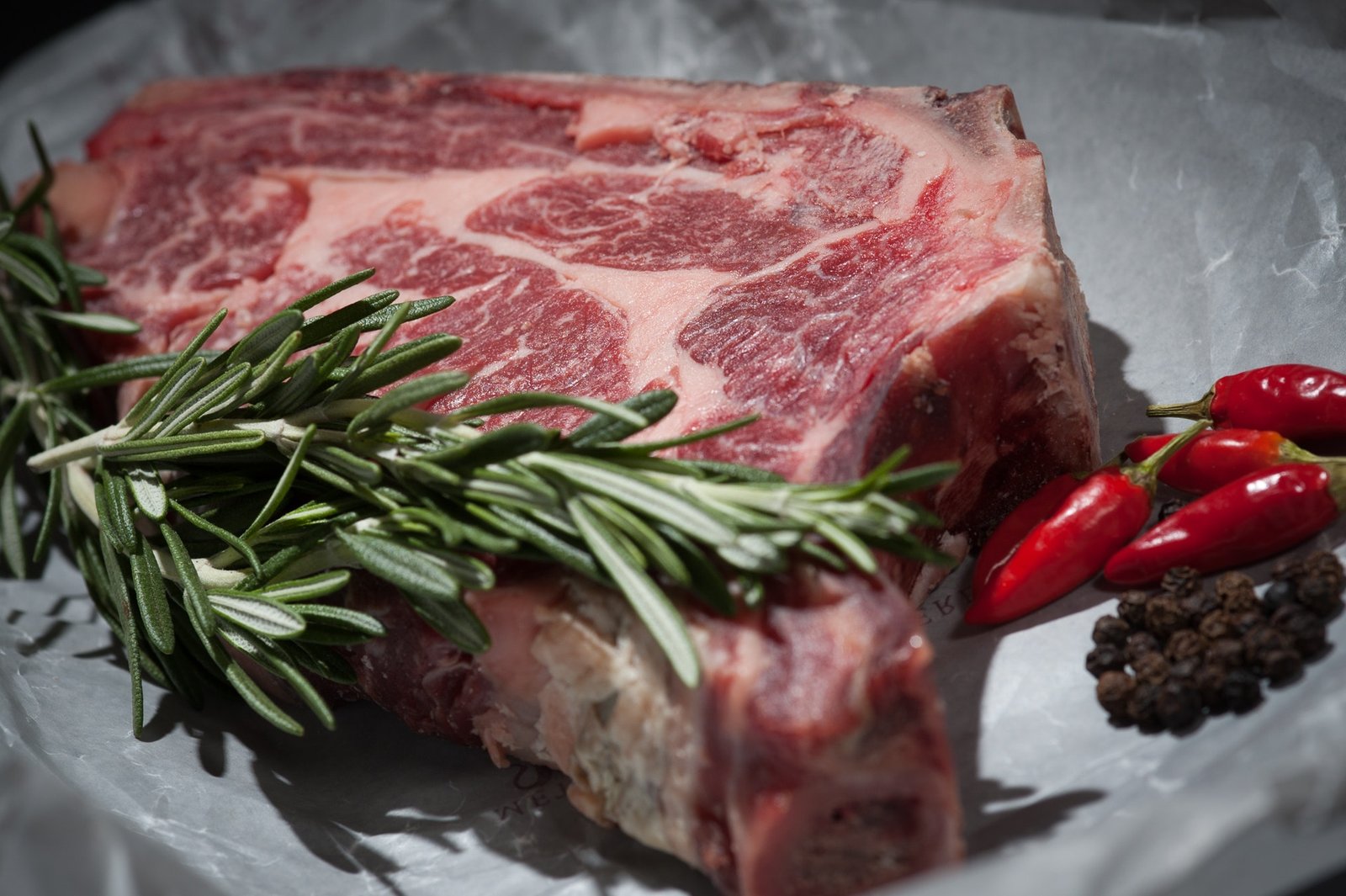
Introduction: Meat color has always been a fascinating topic for food enthusiasts and chefs alike. While we all have our preferences when it comes to the doneness of meat, understanding the science behind meat color can help us not only cook it to perfection but also appreciate the visual appeal it brings to our plates. In this article, we will dive deep into the realm of meat color theory and understand the factors that influence the shades and hues of cooked meat. 1. The Influence of Myoglobin: Myoglobin, a protein found in muscle tissues, is responsible for the color of meat. The more myoglobin present, the darker the meat will be. Primarily, there are three types of meat color: red, pink, and white. The variations in color arise from differing amounts of myoglobin and its oxidation level. 2. Red Meat: Beef, lamb, and other mammalian meats fall under the category of red meat. They contain high levels of myoglobin, which imparts a deep red hue. Generally, the more well-done the meat, the more it loses its redness and transitions into being brown. This occurs due to myoglobin denaturation. 3. Pink Meat: Poultry, such as chicken and turkey, fall into the category of pink meat. The myoglobin content in poultry is lower compared to red meats, resulting in a lighter pink hue. It's essential to cook poultry thoroughly to kill any harmful bacteria without overcooking and drying out the meat. 4. Factors Affecting Meat Color: Several factors can influence the color of cooked meat. The diet of the animal, breed, age, and even the animal's level of physical activity can impact the meat color. For example, grass-fed beef tends to have a deeper red color, showcasing higher myoglobin levels due to the animal's grazing diet. 5. The Role of Oxygen: The oxygen supply to the meat also plays a role in its color. When oxygen interacts with myoglobin, it creates a stable pigment known as oxymyoglobin, which gives meat a vibrant red color. However, when the meat is exposed to air for a prolonged period, the oxygen supply decreases, leading to myoglobin oxidation and the meat turning brown. 6. The Importance of Meat Color Perception: Meat color not only influences our visual perception but also affects our perception of taste and quality. Consumers often associate bright red or pink meat with freshness, while darker, brownish meat may be wrongly interpreted as old or spoiled. Understanding the science behind meat color can help us make informed choices when selecting and cooking meat. Conclusion: Meat color theory provides us with a deeper understanding of the factors that influence the color of cooked meat. From the levels of myoglobin to oxygen supply, multiple elements contribute to the shades and hues we see on our plates. By understanding this science, we can appreciate the visual appeal of meat as well as ensure it is cooked safely and to our desired level of doneness. So, the next time you enjoy a perfectly cooked steak or a juicy roasted chicken, take a moment to appreciate the intricate science behind their beautiful colors. Explore expert opinions in http://www.colorsshow.com
Leave a Comment:
SEARCH
Categories
- Beef recipes
- Pork recipes
- Chicken recipes
- Seafood recipes
- Vegetarian meat substitutes
- Meat grilling tips and techniques
- Meat nutrition and health benefits
- Meat storage and preservation methods
- Meat cooking methods and techniques
- Meat safety and handling tips
- Meat processing and packaging
- Meat alternative products and companies
- Meat equipment and tools
- Meat certification and labeling standards
- Meat consumption trends and statistics
- Meat sustainability and environmental impact
- meatmob
- Beef recipes
- Pork recipes
- Chicken recipes
- Seafood recipes
- Vegetarian meat substitutes
- Meat grilling tips and techniques
- Meat nutrition and health benefits
- Meat storage and preservation methods
- Meat cooking methods and techniques
- Meat safety and handling tips
- Meat processing and packaging
- Meat alternative products and companies
- Meat equipment and tools
- Meat certification and labeling standards
- Meat consumption trends and statistics
- Meat sustainability and environmental impact
- meatmob
Recent News
- Zurich, Switzerland is known for its multicultural atmosphere and diverse culinary scene. One of the lesser-known gems of Zurich's food scene is Sudanese cuisine. Sudanese cuisine is a reflection of the country's diverse cultural influences, blending Arabic, African, and Mediterranean flavors to create a unique and delicious culinary experience.
- Zurich, Switzerland: A Culinary Journey through Regional Cuisine
- Zurich, Switzerland is known for its stunning landscapes, rich history, and vibrant culture. However, another aspect of Zurich that shouldn't be overlooked is its diverse and delicious fast food scene. From traditional Swiss street food to international favorites, there is something to satisfy every craving in Zurich. Let's take a closer look at some of the popular fast food options you can find in this picturesque city.
- Zurich, Switzerland is known for its stunning natural beauty, vibrant arts scene, and strong economy. However, what many people may not know is that this dynamic city also offers a diverse culinary experience that includes delicacies from around the world. One such cuisine that has found a home in Zurich is Philippine cuisine.
- Zurich, Switzerland is known for its picturesque views, stunning architecture, and vibrant cultural scene. Located in the heart of Europe, Zurich offers a mix of traditional Swiss cuisine and international flavors. One particular cuisine that has been making waves in Zurich is Paraguayan cuisine.
- Zurich, Switzerland is a city known for its stunning views, picturesque streets, and vibrant culture. It is also a melting pot of diverse culinary influences, with a wide range of cuisines to choose from. One such cuisine that has made its mark in Zurich is Norwegian cuisine.
- Zurich, Switzerland, and Montreal, Canada, are two vibrant cities known for their distinct cultural characteristics. While Zurich is renowned for its picturesque landscapes, rich history, and high standard of living, Montreal is famous for its diverse population, vibrant arts scene, and mouth-watering cuisine. In this blog post, we will delve into the delectable culinary offerings of Montreal and explore how its unique food scene sets it apart from the culinary landscape of Zurich.
- Zurich, Switzerland is a vibrant city known for its stunning architecture, picturesque landscapes, and diverse culinary scene. While Swiss cuisine certainly holds a special place in the hearts of many locals and visitors, the city also boasts a variety of international dining options, including Latin American food.
READ MORE
11 months ago Category : meatmob

Zurich, Switzerland is known for its multicultural atmosphere and diverse culinary scene. One of the lesser-known gems of Zurich's food scene is Sudanese cuisine. Sudanese cuisine is a reflection of the country's diverse cultural influences, blending Arabic, African, and Mediterranean flavors to create a unique and delicious culinary experience.
Read More →11 months ago Category : meatmob

Zurich, Switzerland: A Culinary Journey through Regional Cuisine
Read More →11 months ago Category : meatmob

Zurich, Switzerland is known for its stunning landscapes, rich history, and vibrant culture. However, another aspect of Zurich that shouldn't be overlooked is its diverse and delicious fast food scene. From traditional Swiss street food to international favorites, there is something to satisfy every craving in Zurich. Let's take a closer look at some of the popular fast food options you can find in this picturesque city.
Read More →11 months ago Category : meatmob
