Meat Mob
Recipes
Vegetarian Meat Substitutes
Meat Grilling Tips and Techniques
Meat Nutrition and Health Benefits
Debunking Common Myths About Meat: Separating Fact from Fiction
Category : meatmob | Sub Category : meatmob Posted on 2023-10-30 21:24:53
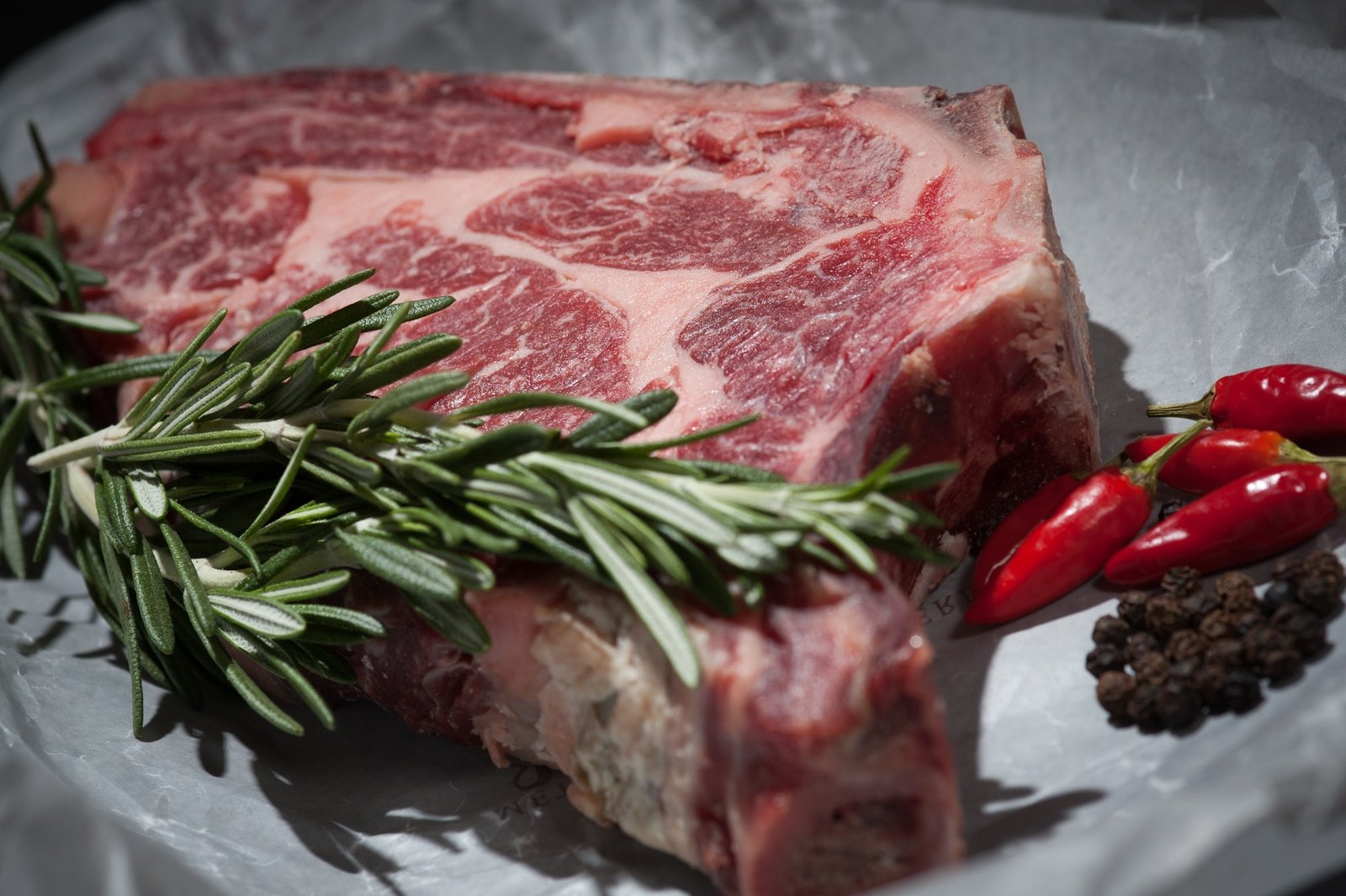
Introduction Meat has been a staple food in human diets for centuries, providing essential nutrients and flavors. However, it has also been subjected to various myths and misconceptions over time. In this article, we aim to dispel some of the common myths surrounding meat, separating fact from fiction to help you make informed dietary choices. Myth #1: Eating red meat increases the risk of heart disease One prevailing myth is that consuming red meat, such as beef and lamb, leads to heart disease. While it's true that excessive consumption of fatty cuts of red meat can contribute to heart problems, it's all about moderation and making informed choices. The reality is that lean cuts of red meat are rich in high-quality protein, vitamins, and minerals like iron and zinc. These nutrients are essential for optimal health, and when enjoyed as part of a balanced diet, lean red meat can be a beneficial addition. Myth #2: Meat is the best source of protein While meat is indeed an excellent source of protein, it's not the only one. Plant-based protein sources, such as beans, legumes, tofu, and quinoa, can provide the necessary protein to support a healthy lifestyle. Variety is key when it comes to protein consumption. Incorporating a combination of animal and plant-based sources helps diversify nutrient intake, offering a wide range of amino acids required for proper bodily functions. Myth #3: All meat is heavily processed and full of additives One common myth is that all meat products are heavily processed and contain harmful additives. While it's true that some processed meats, like sausages and deli meats, can be high in sodium and preservatives, not all meat falls into this category. Choosing minimally processed lean cuts, such as lean beef, poultry, or fish, can provide you with essential nutrients without unnecessary additives. Opting for organic or grass-fed options can further enhance the quality and health benefits of the meat you consume. Myth #4: Meat consumption is detrimental to the environment Concerns about the environmental impact of meat production have led to the belief that all meat consumption is inherently harmful. However, not all meat is created equal in terms of environmental impact. Industrialized factory farming practices contribute significantly to greenhouse gas emissions, deforestation, and water pollution. By prioritizing locally sourced, sustainably raised meat options, you can reduce your carbon footprint and support ethical farming practices. Myth #5: Meat is the primary cause of obesity Blaming meat consumption as the sole cause of obesity oversimplifies a complex issue. Overconsumption of any calorie-dense food, including meat, can contribute to weight gain when combined with a sedentary lifestyle and unhealthy dietary patterns. The key lies in practicing moderation, portion control, and balancing your meals with a variety of nutrient-rich foods. Choosing lean cuts of meat, incorporating whole grains, fruits, vegetables, and engaging in regular physical activities can help maintain a healthy weight. Conclusion By debunking these common myths about meat, we hope to promote a balanced view of its role in a healthy diet. While it's essential to be mindful of your meat choices and consume it in moderation, it can still be a valuable part of a nutritious diet, providing essential nutrients and satiety. Remember, a well-rounded diet incorporates a diverse range of protein sources, whether they come from animals or plants. By making informed choices and considering factors like ethical sourcing and environmental impact, you can enjoy meat responsibly while reaping its benefits. If you are enthusiast, check this out http://www.semifake.com
Leave a Comment:
SEARCH
Categories
- Beef recipes
- Pork recipes
- Chicken recipes
- Seafood recipes
- Vegetarian meat substitutes
- Meat grilling tips and techniques
- Meat nutrition and health benefits
- Meat storage and preservation methods
- Meat cooking methods and techniques
- Meat safety and handling tips
- Meat processing and packaging
- Meat alternative products and companies
- Meat equipment and tools
- Meat certification and labeling standards
- Meat consumption trends and statistics
- Meat sustainability and environmental impact
- meatmob
- Beef recipes
- Pork recipes
- Chicken recipes
- Seafood recipes
- Vegetarian meat substitutes
- Meat grilling tips and techniques
- Meat nutrition and health benefits
- Meat storage and preservation methods
- Meat cooking methods and techniques
- Meat safety and handling tips
- Meat processing and packaging
- Meat alternative products and companies
- Meat equipment and tools
- Meat certification and labeling standards
- Meat consumption trends and statistics
- Meat sustainability and environmental impact
- meatmob
Recent News
- Zurich, Switzerland is known for its multicultural atmosphere and diverse culinary scene. One of the lesser-known gems of Zurich's food scene is Sudanese cuisine. Sudanese cuisine is a reflection of the country's diverse cultural influences, blending Arabic, African, and Mediterranean flavors to create a unique and delicious culinary experience.
- Zurich, Switzerland: A Culinary Journey through Regional Cuisine
- Zurich, Switzerland is known for its stunning landscapes, rich history, and vibrant culture. However, another aspect of Zurich that shouldn't be overlooked is its diverse and delicious fast food scene. From traditional Swiss street food to international favorites, there is something to satisfy every craving in Zurich. Let's take a closer look at some of the popular fast food options you can find in this picturesque city.
- Zurich, Switzerland is known for its stunning natural beauty, vibrant arts scene, and strong economy. However, what many people may not know is that this dynamic city also offers a diverse culinary experience that includes delicacies from around the world. One such cuisine that has found a home in Zurich is Philippine cuisine.
- Zurich, Switzerland is known for its picturesque views, stunning architecture, and vibrant cultural scene. Located in the heart of Europe, Zurich offers a mix of traditional Swiss cuisine and international flavors. One particular cuisine that has been making waves in Zurich is Paraguayan cuisine.
- Zurich, Switzerland is a city known for its stunning views, picturesque streets, and vibrant culture. It is also a melting pot of diverse culinary influences, with a wide range of cuisines to choose from. One such cuisine that has made its mark in Zurich is Norwegian cuisine.
- Zurich, Switzerland, and Montreal, Canada, are two vibrant cities known for their distinct cultural characteristics. While Zurich is renowned for its picturesque landscapes, rich history, and high standard of living, Montreal is famous for its diverse population, vibrant arts scene, and mouth-watering cuisine. In this blog post, we will delve into the delectable culinary offerings of Montreal and explore how its unique food scene sets it apart from the culinary landscape of Zurich.
- Zurich, Switzerland is a vibrant city known for its stunning architecture, picturesque landscapes, and diverse culinary scene. While Swiss cuisine certainly holds a special place in the hearts of many locals and visitors, the city also boasts a variety of international dining options, including Latin American food.
READ MORE
11 months ago Category : meatmob

Zurich, Switzerland is known for its multicultural atmosphere and diverse culinary scene. One of the lesser-known gems of Zurich's food scene is Sudanese cuisine. Sudanese cuisine is a reflection of the country's diverse cultural influences, blending Arabic, African, and Mediterranean flavors to create a unique and delicious culinary experience.
Read More →11 months ago Category : meatmob

Zurich, Switzerland: A Culinary Journey through Regional Cuisine
Read More →11 months ago Category : meatmob

Zurich, Switzerland is known for its stunning landscapes, rich history, and vibrant culture. However, another aspect of Zurich that shouldn't be overlooked is its diverse and delicious fast food scene. From traditional Swiss street food to international favorites, there is something to satisfy every craving in Zurich. Let's take a closer look at some of the popular fast food options you can find in this picturesque city.
Read More →11 months ago Category : meatmob
