Meat Mob
Recipes
Vegetarian Meat Substitutes
Meat Grilling Tips and Techniques
Meat Nutrition and Health Benefits
Dogs are often referred to as man's best friend, and just like any other friend, they deserve to be treated with care and love. One important aspect of caring for a dog is ensuring they have a nutritious and balanced diet. While there are several options available for dog nutrition, including vegetarian and vegan diets, many dog owners choose to include meat in their pet's diet. In this blog post, we will explore the role of meat in dog nutrition and discuss ways to provide a well-rounded diet for our furry friends.
Category : meatmob | Sub Category : meatmob Posted on 2023-10-30 21:24:53
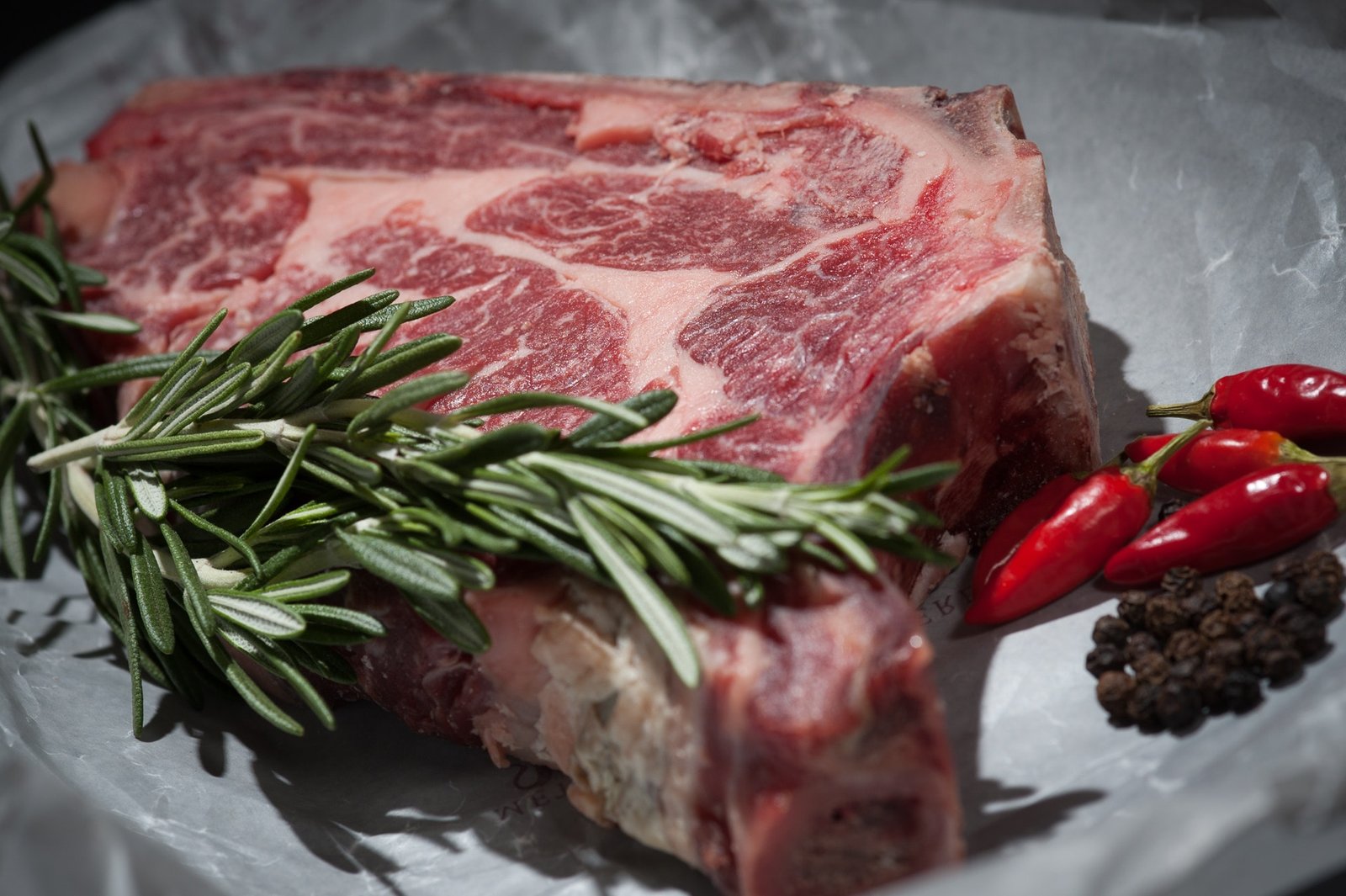
Protein is a crucial component of a dog's diet, as it provides essential amino acids necessary for their growth and maintenance. Meat serves as an excellent source of high-quality protein for dogs, as it contains all the necessary amino acids they need to flourish. Additionally, meat is highly digestible for dogs, ensuring that they can efficiently absorb the nutrients they need. When selecting meat for your dog's diet, it's important to choose lean options and avoid processed or cured meats, as these can contain excessive amounts of salt, preservatives, and additives that may be harmful to your pet's health. Opt for fresh, unseasoned meats such as chicken, turkey, lean beef, or fish. It's always best to consult your veterinarian before making any changes to your dog's diet to ensure you are meeting their individual nutritional needs. Incorporating a variety of meats into your dog's diet can also provide them with a wider range of nutrients. For example, fish, like salmon or tuna, is an excellent source of omega-3 fatty acids, which are essential for a dog's skin and coat health. Chicken and lean beef are rich in iron, an important mineral for healthy blood circulation. Including different types of meats in your dog's diet can help ensure they get a well-rounded nutritional profile. While meat is an important component of a dog's diet, it should not be the sole focus. Just like humans, dogs also benefit from a variety of fruits, vegetables, and whole grains. These provide essential vitamins, minerals, and fiber that contribute to overall health and well-being. Consider adding small amounts of cooked vegetables like carrots, peas, or sweet potatoes to your dog's meals. Fruits such as blueberries or apples can also be offered as a healthy snack. Be cautious when selecting grains for your dog, as some may be sensitive or allergic. Whole grains like brown rice or oats are generally better tolerated by dogs. Lastly, portion control is vital when feeding your dog a meat-based diet. It's important to measure the right amount of food for your dog based on their breed, age, weight, and activity level. It's recommended to consult your veterinarian for specific feeding guidelines tailored to your dog's needs. In conclusion, meat can play an essential role in a dog's nutrition and diet. It provides high-quality protein and necessary amino acids for their overall health and well-being. However, it's important to include a variety of meats and other nutritious ingredients to ensure your dog receives a balanced diet. Prioritize lean, fresh meats and combine them with fruits, vegetables, and whole grains for optimal nutrition. Remember to consult your veterinarian for personalized advice and recommendations based on your dog's unique needs. By providing a nutritious and balanced diet, you can contribute to your dog's longevity, vitality, and happiness. Click the following link for more http://www.tinyfed.com Explore this subject further by checking out http://www.childnut.com
Leave a Comment:
SEARCH
Categories
- Beef recipes
- Pork recipes
- Chicken recipes
- Seafood recipes
- Vegetarian meat substitutes
- Meat grilling tips and techniques
- Meat nutrition and health benefits
- Meat storage and preservation methods
- Meat cooking methods and techniques
- Meat safety and handling tips
- Meat processing and packaging
- Meat alternative products and companies
- Meat equipment and tools
- Meat certification and labeling standards
- Meat consumption trends and statistics
- Meat sustainability and environmental impact
- meatmob
- Beef recipes
- Pork recipes
- Chicken recipes
- Seafood recipes
- Vegetarian meat substitutes
- Meat grilling tips and techniques
- Meat nutrition and health benefits
- Meat storage and preservation methods
- Meat cooking methods and techniques
- Meat safety and handling tips
- Meat processing and packaging
- Meat alternative products and companies
- Meat equipment and tools
- Meat certification and labeling standards
- Meat consumption trends and statistics
- Meat sustainability and environmental impact
- meatmob
Recent News
- Zurich, Switzerland is known for its multicultural atmosphere and diverse culinary scene. One of the lesser-known gems of Zurich's food scene is Sudanese cuisine. Sudanese cuisine is a reflection of the country's diverse cultural influences, blending Arabic, African, and Mediterranean flavors to create a unique and delicious culinary experience.
- Zurich, Switzerland: A Culinary Journey through Regional Cuisine
- Zurich, Switzerland is known for its stunning landscapes, rich history, and vibrant culture. However, another aspect of Zurich that shouldn't be overlooked is its diverse and delicious fast food scene. From traditional Swiss street food to international favorites, there is something to satisfy every craving in Zurich. Let's take a closer look at some of the popular fast food options you can find in this picturesque city.
- Zurich, Switzerland is known for its stunning natural beauty, vibrant arts scene, and strong economy. However, what many people may not know is that this dynamic city also offers a diverse culinary experience that includes delicacies from around the world. One such cuisine that has found a home in Zurich is Philippine cuisine.
- Zurich, Switzerland is known for its picturesque views, stunning architecture, and vibrant cultural scene. Located in the heart of Europe, Zurich offers a mix of traditional Swiss cuisine and international flavors. One particular cuisine that has been making waves in Zurich is Paraguayan cuisine.
- Zurich, Switzerland is a city known for its stunning views, picturesque streets, and vibrant culture. It is also a melting pot of diverse culinary influences, with a wide range of cuisines to choose from. One such cuisine that has made its mark in Zurich is Norwegian cuisine.
- Zurich, Switzerland, and Montreal, Canada, are two vibrant cities known for their distinct cultural characteristics. While Zurich is renowned for its picturesque landscapes, rich history, and high standard of living, Montreal is famous for its diverse population, vibrant arts scene, and mouth-watering cuisine. In this blog post, we will delve into the delectable culinary offerings of Montreal and explore how its unique food scene sets it apart from the culinary landscape of Zurich.
- Zurich, Switzerland is a vibrant city known for its stunning architecture, picturesque landscapes, and diverse culinary scene. While Swiss cuisine certainly holds a special place in the hearts of many locals and visitors, the city also boasts a variety of international dining options, including Latin American food.
READ MORE
11 months ago Category : meatmob

Zurich, Switzerland is known for its multicultural atmosphere and diverse culinary scene. One of the lesser-known gems of Zurich's food scene is Sudanese cuisine. Sudanese cuisine is a reflection of the country's diverse cultural influences, blending Arabic, African, and Mediterranean flavors to create a unique and delicious culinary experience.
Read More →11 months ago Category : meatmob

Zurich, Switzerland: A Culinary Journey through Regional Cuisine
Read More →11 months ago Category : meatmob

Zurich, Switzerland is known for its stunning landscapes, rich history, and vibrant culture. However, another aspect of Zurich that shouldn't be overlooked is its diverse and delicious fast food scene. From traditional Swiss street food to international favorites, there is something to satisfy every craving in Zurich. Let's take a closer look at some of the popular fast food options you can find in this picturesque city.
Read More →11 months ago Category : meatmob
