Meat Mob
Recipes
Vegetarian Meat Substitutes
Meat Grilling Tips and Techniques
Meat Nutrition and Health Benefits
The Fascinating Science and Chemistry Behind Meat
Category : meatmob | Sub Category : meatmob Posted on 2023-10-30 21:24:53
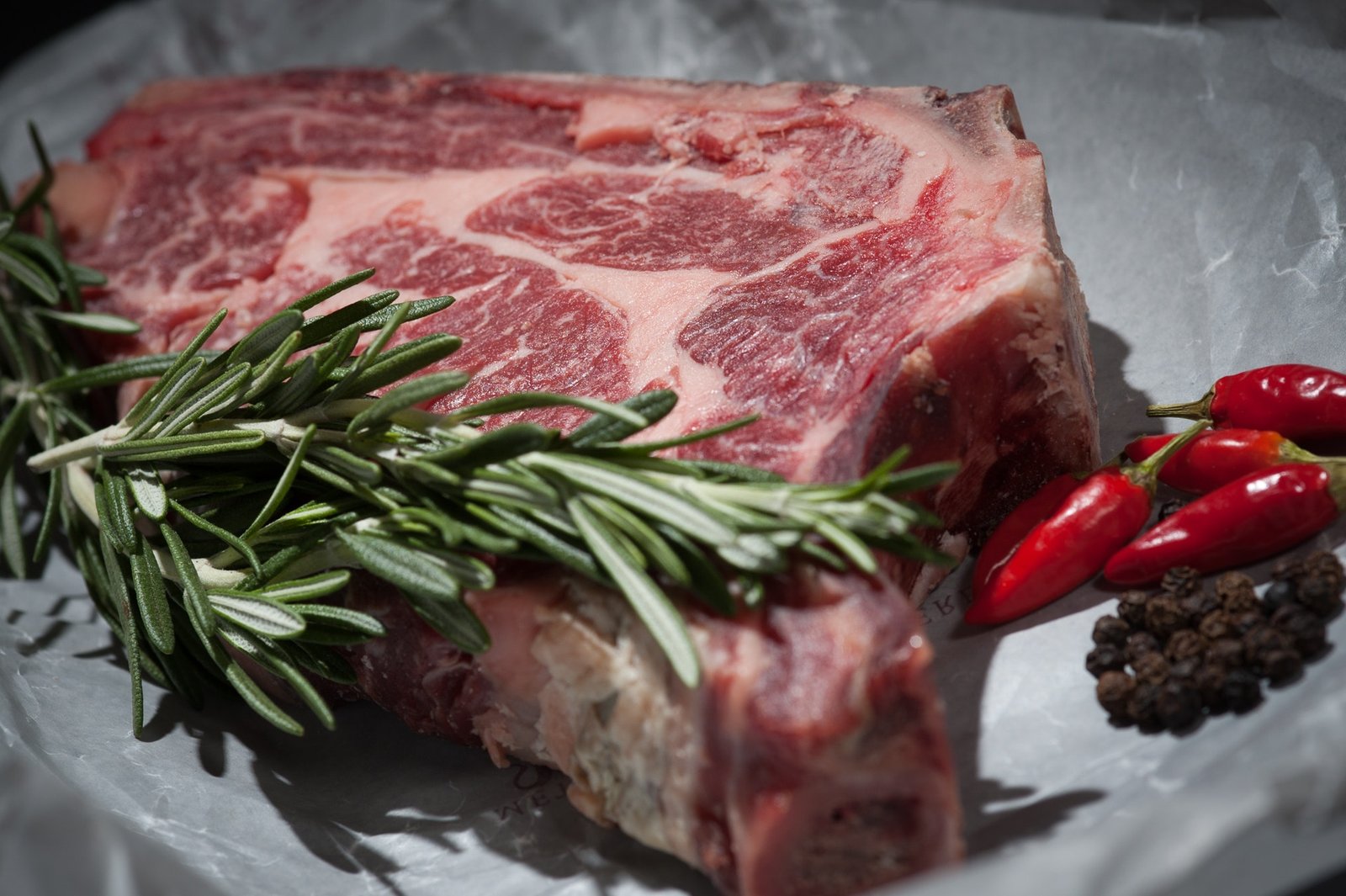
Introduction: Meat is a staple in many cuisines worldwide, offering a rich source of protein and essential nutrients. But have you ever wondered about the science and chemistry that goes into producing and cooking meat? In this blog post, we will explore the fascinating world of meat food science and delve into the chemistry behind the flavors and textures we enjoy. 1. Meat Composition: Meat is primarily composed of water, proteins, fats, and various nutrients. The proteins in meat, such as myoglobin and actin, give it its unique texture and structure. These proteins contribute to the meat's ability to retain moisture and provide structural support when cooked. 2. Maillard Reaction: Ever wondered why meat turns brown when cooked? That's due to the Maillard reaction. This complex chemical reaction occurs between the amino acids and reducing sugars present in meat when exposed to heat. It leads to the formation of brown pigments and imparts a desirable flavor, aroma, and golden-brown color to cooked meat. 3. Tenderization: Tenderness is a crucial aspect of meat quality. The science of tenderization involves breaking down tough connective tissues and collagen present in meat. There are several methods to achieve this, including enzymatic tenderization using proteolytic enzymes, mechanical tenderization using tenderizers or marinades, and cooking methods like braising or slow cooking, which break down tough collagen into gelatin. 4. Flavor Development: The flavor of cooked meat is a result of the complex interactions between proteins, fats, and various compounds released during cooking. The amino acids in meat react with sugars, producing several volatile compounds that contribute to the characteristic meaty aroma and flavor. Additionally, the fats in meat contribute to its taste and texture, adding richness and mouthfeel. 5. Preservation Techniques: Food scientists have developed various preservation techniques to extend the shelf life of meat products. These techniques include drying, smoking, salting, curing, and refrigeration, which impede microbial growth and enzymatic reactions, ensuring meat remains safe to consume. Conclusion: Meat food science and chemistry play a crucial role in the production, cooking, and preservation of meat-based products. Understanding the intricate processes involved not only enhances our appreciation for the culinary arts but also allows us to make informed choices when it comes to selecting, preparing, and enjoying meat. So, the next time you indulge in a perfectly cooked piece of meat, remember the science and chemistry behind it that makes it so delicious! Get a comprehensive view with http://www.nerdcook.com For a detailed analysis, explore: http://www.deleci.com For an extensive perspective, read http://www.eatnaturals.com Want to know more? Don't forget to read: http://www.mimidate.com
Leave a Comment:
SEARCH
Categories
- Beef recipes
- Pork recipes
- Chicken recipes
- Seafood recipes
- Vegetarian meat substitutes
- Meat grilling tips and techniques
- Meat nutrition and health benefits
- Meat storage and preservation methods
- Meat cooking methods and techniques
- Meat safety and handling tips
- Meat processing and packaging
- Meat alternative products and companies
- Meat equipment and tools
- Meat certification and labeling standards
- Meat consumption trends and statistics
- Meat sustainability and environmental impact
- meatmob
- Beef recipes
- Pork recipes
- Chicken recipes
- Seafood recipes
- Vegetarian meat substitutes
- Meat grilling tips and techniques
- Meat nutrition and health benefits
- Meat storage and preservation methods
- Meat cooking methods and techniques
- Meat safety and handling tips
- Meat processing and packaging
- Meat alternative products and companies
- Meat equipment and tools
- Meat certification and labeling standards
- Meat consumption trends and statistics
- Meat sustainability and environmental impact
- meatmob
Recent News
- Zurich, Switzerland is known for its multicultural atmosphere and diverse culinary scene. One of the lesser-known gems of Zurich's food scene is Sudanese cuisine. Sudanese cuisine is a reflection of the country's diverse cultural influences, blending Arabic, African, and Mediterranean flavors to create a unique and delicious culinary experience.
- Zurich, Switzerland: A Culinary Journey through Regional Cuisine
- Zurich, Switzerland is known for its stunning landscapes, rich history, and vibrant culture. However, another aspect of Zurich that shouldn't be overlooked is its diverse and delicious fast food scene. From traditional Swiss street food to international favorites, there is something to satisfy every craving in Zurich. Let's take a closer look at some of the popular fast food options you can find in this picturesque city.
- Zurich, Switzerland is known for its stunning natural beauty, vibrant arts scene, and strong economy. However, what many people may not know is that this dynamic city also offers a diverse culinary experience that includes delicacies from around the world. One such cuisine that has found a home in Zurich is Philippine cuisine.
- Zurich, Switzerland is known for its picturesque views, stunning architecture, and vibrant cultural scene. Located in the heart of Europe, Zurich offers a mix of traditional Swiss cuisine and international flavors. One particular cuisine that has been making waves in Zurich is Paraguayan cuisine.
- Zurich, Switzerland is a city known for its stunning views, picturesque streets, and vibrant culture. It is also a melting pot of diverse culinary influences, with a wide range of cuisines to choose from. One such cuisine that has made its mark in Zurich is Norwegian cuisine.
- Zurich, Switzerland, and Montreal, Canada, are two vibrant cities known for their distinct cultural characteristics. While Zurich is renowned for its picturesque landscapes, rich history, and high standard of living, Montreal is famous for its diverse population, vibrant arts scene, and mouth-watering cuisine. In this blog post, we will delve into the delectable culinary offerings of Montreal and explore how its unique food scene sets it apart from the culinary landscape of Zurich.
- Zurich, Switzerland is a vibrant city known for its stunning architecture, picturesque landscapes, and diverse culinary scene. While Swiss cuisine certainly holds a special place in the hearts of many locals and visitors, the city also boasts a variety of international dining options, including Latin American food.
READ MORE
11 months ago Category : meatmob

Zurich, Switzerland is known for its multicultural atmosphere and diverse culinary scene. One of the lesser-known gems of Zurich's food scene is Sudanese cuisine. Sudanese cuisine is a reflection of the country's diverse cultural influences, blending Arabic, African, and Mediterranean flavors to create a unique and delicious culinary experience.
Read More →11 months ago Category : meatmob

Zurich, Switzerland: A Culinary Journey through Regional Cuisine
Read More →11 months ago Category : meatmob

Zurich, Switzerland is known for its stunning landscapes, rich history, and vibrant culture. However, another aspect of Zurich that shouldn't be overlooked is its diverse and delicious fast food scene. From traditional Swiss street food to international favorites, there is something to satisfy every craving in Zurich. Let's take a closer look at some of the popular fast food options you can find in this picturesque city.
Read More →11 months ago Category : meatmob
