Meat Mob
Recipes
Vegetarian Meat Substitutes
Meat Grilling Tips and Techniques
Meat Nutrition and Health Benefits
Addressing the Meat Health Crisis in Central America: A Roadmap to Sustainable Solutions
Category : meatmob | Sub Category : meatmob Posted on 2023-10-30 21:24:53
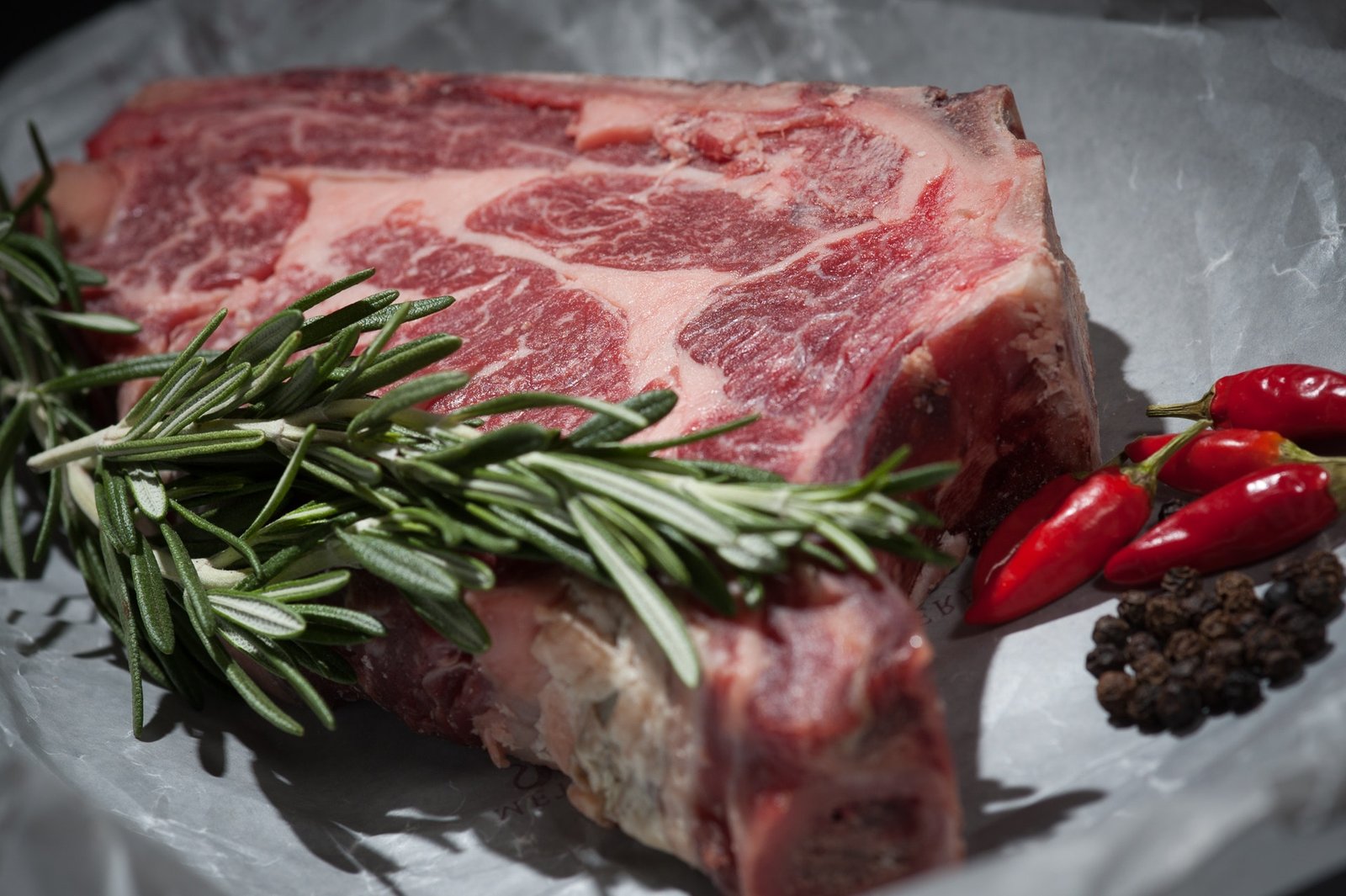
Introduction: Central America is known for its rich cultural heritage and vibrant cuisine, often featuring various types of meat in traditional dishes. However, in recent years, the region has been facing a meat health crisis that demands our attention. The consumption of contaminated or low-quality meat has detrimental effects on public health, food security, and the environment. In this blog post, we will explore the root causes of the crisis and discuss potential sustainable solutions to address this pressing issue. 1. Identifying the Challenges: a. Weakening regulatory frameworks: Central American countries lack strict regulations and enforcement mechanisms to ensure meat safety standards are met throughout the supply chain. b. Food fraud and illegal activities: Unscrupulous practices, such as adulteration, mislabeling, and smuggling, contribute to the proliferation of contaminated and illicit meat. c. Poor animal husbandry practices: Insufficient monitoring of animal health, improper use of veterinary drugs, and overcrowded, unhygienic conditions in some farms can lead to the spread of diseases and the development of antibiotic resistance. 2. The Impact on Human Health: a. Foodborne illnesses: Consumption of contaminated meat can result in various diseases, including salmonellosis, campylobacteriosis, and E. coli infections, causing detrimental health effects and even fatalities. b. Development of antimicrobial resistance: The excessive use of antibiotics in livestock farming contributes to the emergence of drug-resistant bacteria, posing a significant threat to public health. 3. Environmental Consequences: a. Deforestation and land degradation: The expansion of unsustainable livestock farming practices leads to deforestation, habitat loss, and soil degradation, contributing to climate change and biodiversity loss. b. Water contamination: Improper waste management from farms can contaminate water sources with pollutants, including antibiotics and hormones, negatively impacting aquatic ecosystems and human populations. 4. Implementing Sustainable Solutions: a. Strengthening regulatory frameworks: Central American governments must enact and enforce stringent food safety regulations, including monitoring and inspection systems, to ensure the quality and safety of meat products. b. Promoting responsible livestock farming and animal welfare: Encouraging sustainable animal husbandry practices, such as rotational grazing, reducing the use of antibiotics, and providing proper veterinary care, can improve animal welfare and meat quality. c. Enhancing inspection and traceability systems: Implementing technology-driven solutions, such as digital tracking systems and DNA testing, can help authorities identify and prevent food fraud and illegal activities within the meat supply chain. d. Consumer education and awareness: Raising awareness about the importance of choosing sustainably sourced and safe meat products can empower consumers to make informed choices and demand accountability from producers and retailers. Conclusion: The meat health crisis in Central America requires immediate attention and collaborative efforts from governments, farmers, consumers, and other stakeholders. By strengthening regulatory frameworks, promoting sustainable livestock practices, enhancing inspection systems, and raising consumer awareness, we can pave the way towards a healthier, safer, and more sustainable meat industry in Central America. Together, we can overcome the present challenges and build a better future for the region's food system and the well-being of its people. Explore this subject further for a deeper understanding. http://www.doctorregister.com To get all the details, go through http://www.tinyfed.com For a broader exploration, take a look at http://www.natclar.com For a closer look, don't forget to read http://www.turbien.com
Leave a Comment:
SEARCH
Categories
- Beef recipes
- Pork recipes
- Chicken recipes
- Seafood recipes
- Vegetarian meat substitutes
- Meat grilling tips and techniques
- Meat nutrition and health benefits
- Meat storage and preservation methods
- Meat cooking methods and techniques
- Meat safety and handling tips
- Meat processing and packaging
- Meat alternative products and companies
- Meat equipment and tools
- Meat certification and labeling standards
- Meat consumption trends and statistics
- Meat sustainability and environmental impact
- meatmob
- Beef recipes
- Pork recipes
- Chicken recipes
- Seafood recipes
- Vegetarian meat substitutes
- Meat grilling tips and techniques
- Meat nutrition and health benefits
- Meat storage and preservation methods
- Meat cooking methods and techniques
- Meat safety and handling tips
- Meat processing and packaging
- Meat alternative products and companies
- Meat equipment and tools
- Meat certification and labeling standards
- Meat consumption trends and statistics
- Meat sustainability and environmental impact
- meatmob
Recent News
- Zurich, Switzerland is known for its multicultural atmosphere and diverse culinary scene. One of the lesser-known gems of Zurich's food scene is Sudanese cuisine. Sudanese cuisine is a reflection of the country's diverse cultural influences, blending Arabic, African, and Mediterranean flavors to create a unique and delicious culinary experience.
- Zurich, Switzerland: A Culinary Journey through Regional Cuisine
- Zurich, Switzerland is known for its stunning landscapes, rich history, and vibrant culture. However, another aspect of Zurich that shouldn't be overlooked is its diverse and delicious fast food scene. From traditional Swiss street food to international favorites, there is something to satisfy every craving in Zurich. Let's take a closer look at some of the popular fast food options you can find in this picturesque city.
- Zurich, Switzerland is known for its stunning natural beauty, vibrant arts scene, and strong economy. However, what many people may not know is that this dynamic city also offers a diverse culinary experience that includes delicacies from around the world. One such cuisine that has found a home in Zurich is Philippine cuisine.
- Zurich, Switzerland is known for its picturesque views, stunning architecture, and vibrant cultural scene. Located in the heart of Europe, Zurich offers a mix of traditional Swiss cuisine and international flavors. One particular cuisine that has been making waves in Zurich is Paraguayan cuisine.
- Zurich, Switzerland is a city known for its stunning views, picturesque streets, and vibrant culture. It is also a melting pot of diverse culinary influences, with a wide range of cuisines to choose from. One such cuisine that has made its mark in Zurich is Norwegian cuisine.
- Zurich, Switzerland, and Montreal, Canada, are two vibrant cities known for their distinct cultural characteristics. While Zurich is renowned for its picturesque landscapes, rich history, and high standard of living, Montreal is famous for its diverse population, vibrant arts scene, and mouth-watering cuisine. In this blog post, we will delve into the delectable culinary offerings of Montreal and explore how its unique food scene sets it apart from the culinary landscape of Zurich.
- Zurich, Switzerland is a vibrant city known for its stunning architecture, picturesque landscapes, and diverse culinary scene. While Swiss cuisine certainly holds a special place in the hearts of many locals and visitors, the city also boasts a variety of international dining options, including Latin American food.
READ MORE
11 months ago Category : meatmob

Zurich, Switzerland is known for its multicultural atmosphere and diverse culinary scene. One of the lesser-known gems of Zurich's food scene is Sudanese cuisine. Sudanese cuisine is a reflection of the country's diverse cultural influences, blending Arabic, African, and Mediterranean flavors to create a unique and delicious culinary experience.
Read More →11 months ago Category : meatmob

Zurich, Switzerland: A Culinary Journey through Regional Cuisine
Read More →11 months ago Category : meatmob

Zurich, Switzerland is known for its stunning landscapes, rich history, and vibrant culture. However, another aspect of Zurich that shouldn't be overlooked is its diverse and delicious fast food scene. From traditional Swiss street food to international favorites, there is something to satisfy every craving in Zurich. Let's take a closer look at some of the popular fast food options you can find in this picturesque city.
Read More →11 months ago Category : meatmob
