Meat Mob
Recipes
Vegetarian Meat Substitutes
Meat Grilling Tips and Techniques
Meat Nutrition and Health Benefits
Exploring the Rich Culinary Heritage of Meat in Indigenous Cultures in Mexico
Category : meatmob | Sub Category : meatmob Posted on 2023-10-30 21:24:53
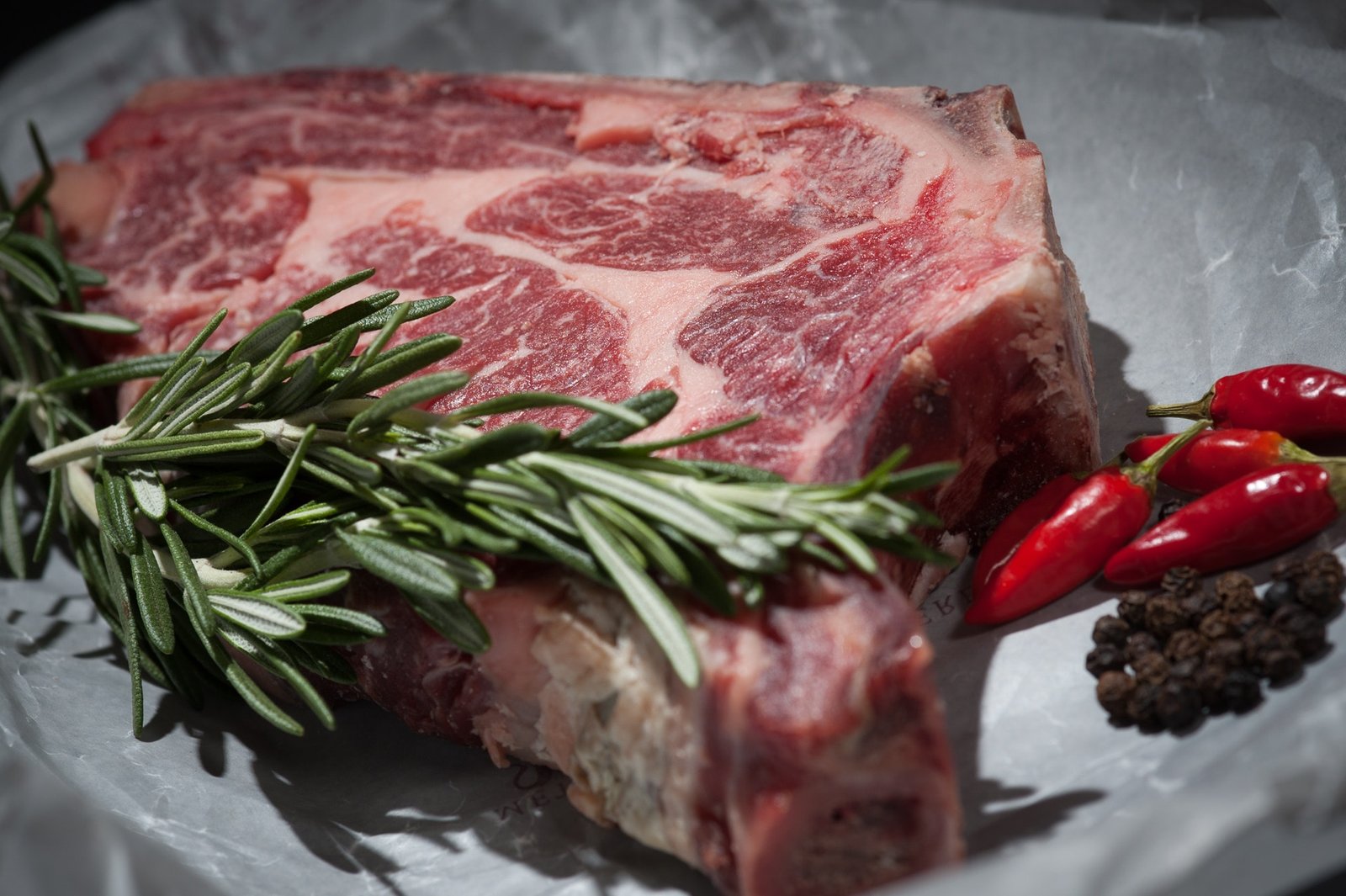
Introduction: Mexico is renowned for its vibrant and diverse cuisine, which is deeply rooted in the indigenous cultures that have flourished throughout its history. While corn and chilies are commonly associated with Mexican cuisine, meat also holds a significant place in the culinary heritage of indigenous communities. In this blog post, we will delve into the fascinating world of meat in indigenous cultures in Mexico, exploring the traditional preparation methods, regional specialties, and their cultural significance. 1. A Connection to Nature and Tradition: Meat occupies a special place in the diet of indigenous communities, reflecting their strong connection to the land and the environment. Indigenous groups have long practiced sustainable hunting and fishing techniques, respecting the balance of nature. This deep respect for the natural world translates into the preparation and consumption of meat, which is often seen as a sacred offering and a way to honor their ancestors. 2. Traditional Methods of Preparation: Indigenous communities in Mexico have developed a wide array of traditional methods to prepare meat, ensuring optimal flavor and tenderness. One such method is barbacoa, a technique used by many indigenous groups, including the Mixtec, Zapotec, and Nahua. Barbacoa involves slow-cooking meat, traditionally sheep or goat, underground or in a covered pit, resulting in tender, succulent meat with smoky flavors. Another notable method is the use of marinades or adobos, which are a blend of spices and herbs. These marinades, often passed down through generations, infuse the meat with flavors while also tenderizing it. Indigenous communities also employ smoking, drying, and curing techniques to preserve meats for future use, harnessing the power of nature to extend their resources. 3. Regional Specialties: Mexico's vast and diverse geography has given rise to a multitude of regional meat specialties within indigenous cuisines. For example, the Yucatecan cuisine showcases cochinita pibil, a dish made from marinated pork, typically cooked in banana leaves underground. In the central regions, mole dishes are prevalent, such as mole poblano, a rich sauce made with chocolate and various spices, often served with poultry or pork. In the northern areas, particularly in Sonora, beef takes center stage, with the famous carne asada being a quintessential dish. Indigenous communities in southern Mexico, like the Mixteco in Oaxaca, are known for their use of insects in their cuisine, including chapulines (grasshoppers), which are often pan-fried and seasoned with lime and chili. 4. Cultural Significance: Meat holds profound cultural significance within indigenous communities, often being an essential element of rituals and celebrations. Festivals and ceremonies are frequently marked by communal feasts where meat dishes play a central role. Sharing these meals fosters a sense of community and reinforces cultural identity. Moreover, the indigenous approach to meat consumption emphasizes utilizing every part of the animal, respecting the cycle of life and minimizing waste. This sustainable ethos aligns with the ancestral wisdom built over centuries, highlighting the harmony between indigenous cultures and the natural world. Conclusion: Exploring the role of meat in indigenous cultures in Mexico unveils a profound connection to tradition, nature, and sustainability. From ancient cooking techniques to regional specialties, indigenous communities have cultivated a rich culinary heritage that deserves recognition and preservation. Whether it's barbacoa, adobos, or unique regional dishes, the importance of meat transcends mere sustenance and becomes an expression of cultural identity and reverence. Next time you savor a traditional Mexican meal, take a moment to appreciate the deep-rooted cultural tapestry woven into every bite. For a closer look, don't forget to read http://www.turbien.com Want to expand your knowledge? Start with http://www.culturepolitics.com Check the link: http://www.mimidate.com
Leave a Comment:
SEARCH
Categories
- Beef recipes
- Pork recipes
- Chicken recipes
- Seafood recipes
- Vegetarian meat substitutes
- Meat grilling tips and techniques
- Meat nutrition and health benefits
- Meat storage and preservation methods
- Meat cooking methods and techniques
- Meat safety and handling tips
- Meat processing and packaging
- Meat alternative products and companies
- Meat equipment and tools
- Meat certification and labeling standards
- Meat consumption trends and statistics
- Meat sustainability and environmental impact
- meatmob
- Beef recipes
- Pork recipes
- Chicken recipes
- Seafood recipes
- Vegetarian meat substitutes
- Meat grilling tips and techniques
- Meat nutrition and health benefits
- Meat storage and preservation methods
- Meat cooking methods and techniques
- Meat safety and handling tips
- Meat processing and packaging
- Meat alternative products and companies
- Meat equipment and tools
- Meat certification and labeling standards
- Meat consumption trends and statistics
- Meat sustainability and environmental impact
- meatmob
Recent News
- Zurich, Switzerland is known for its multicultural atmosphere and diverse culinary scene. One of the lesser-known gems of Zurich's food scene is Sudanese cuisine. Sudanese cuisine is a reflection of the country's diverse cultural influences, blending Arabic, African, and Mediterranean flavors to create a unique and delicious culinary experience.
- Zurich, Switzerland: A Culinary Journey through Regional Cuisine
- Zurich, Switzerland is known for its stunning landscapes, rich history, and vibrant culture. However, another aspect of Zurich that shouldn't be overlooked is its diverse and delicious fast food scene. From traditional Swiss street food to international favorites, there is something to satisfy every craving in Zurich. Let's take a closer look at some of the popular fast food options you can find in this picturesque city.
- Zurich, Switzerland is known for its stunning natural beauty, vibrant arts scene, and strong economy. However, what many people may not know is that this dynamic city also offers a diverse culinary experience that includes delicacies from around the world. One such cuisine that has found a home in Zurich is Philippine cuisine.
- Zurich, Switzerland is known for its picturesque views, stunning architecture, and vibrant cultural scene. Located in the heart of Europe, Zurich offers a mix of traditional Swiss cuisine and international flavors. One particular cuisine that has been making waves in Zurich is Paraguayan cuisine.
- Zurich, Switzerland is a city known for its stunning views, picturesque streets, and vibrant culture. It is also a melting pot of diverse culinary influences, with a wide range of cuisines to choose from. One such cuisine that has made its mark in Zurich is Norwegian cuisine.
- Zurich, Switzerland, and Montreal, Canada, are two vibrant cities known for their distinct cultural characteristics. While Zurich is renowned for its picturesque landscapes, rich history, and high standard of living, Montreal is famous for its diverse population, vibrant arts scene, and mouth-watering cuisine. In this blog post, we will delve into the delectable culinary offerings of Montreal and explore how its unique food scene sets it apart from the culinary landscape of Zurich.
- Zurich, Switzerland is a vibrant city known for its stunning architecture, picturesque landscapes, and diverse culinary scene. While Swiss cuisine certainly holds a special place in the hearts of many locals and visitors, the city also boasts a variety of international dining options, including Latin American food.
READ MORE
11 months ago Category : meatmob

Zurich, Switzerland is known for its multicultural atmosphere and diverse culinary scene. One of the lesser-known gems of Zurich's food scene is Sudanese cuisine. Sudanese cuisine is a reflection of the country's diverse cultural influences, blending Arabic, African, and Mediterranean flavors to create a unique and delicious culinary experience.
Read More →11 months ago Category : meatmob

Zurich, Switzerland: A Culinary Journey through Regional Cuisine
Read More →11 months ago Category : meatmob

Zurich, Switzerland is known for its stunning landscapes, rich history, and vibrant culture. However, another aspect of Zurich that shouldn't be overlooked is its diverse and delicious fast food scene. From traditional Swiss street food to international favorites, there is something to satisfy every craving in Zurich. Let's take a closer look at some of the popular fast food options you can find in this picturesque city.
Read More →11 months ago Category : meatmob
