Meat Mob
Recipes
Vegetarian Meat Substitutes
Meat Grilling Tips and Techniques
Meat Nutrition and Health Benefits
Navigating Meat for Picky Eaters and Selective Eating in Children
Category : meatmob | Sub Category : meatmob Posted on 2023-10-30 21:24:53
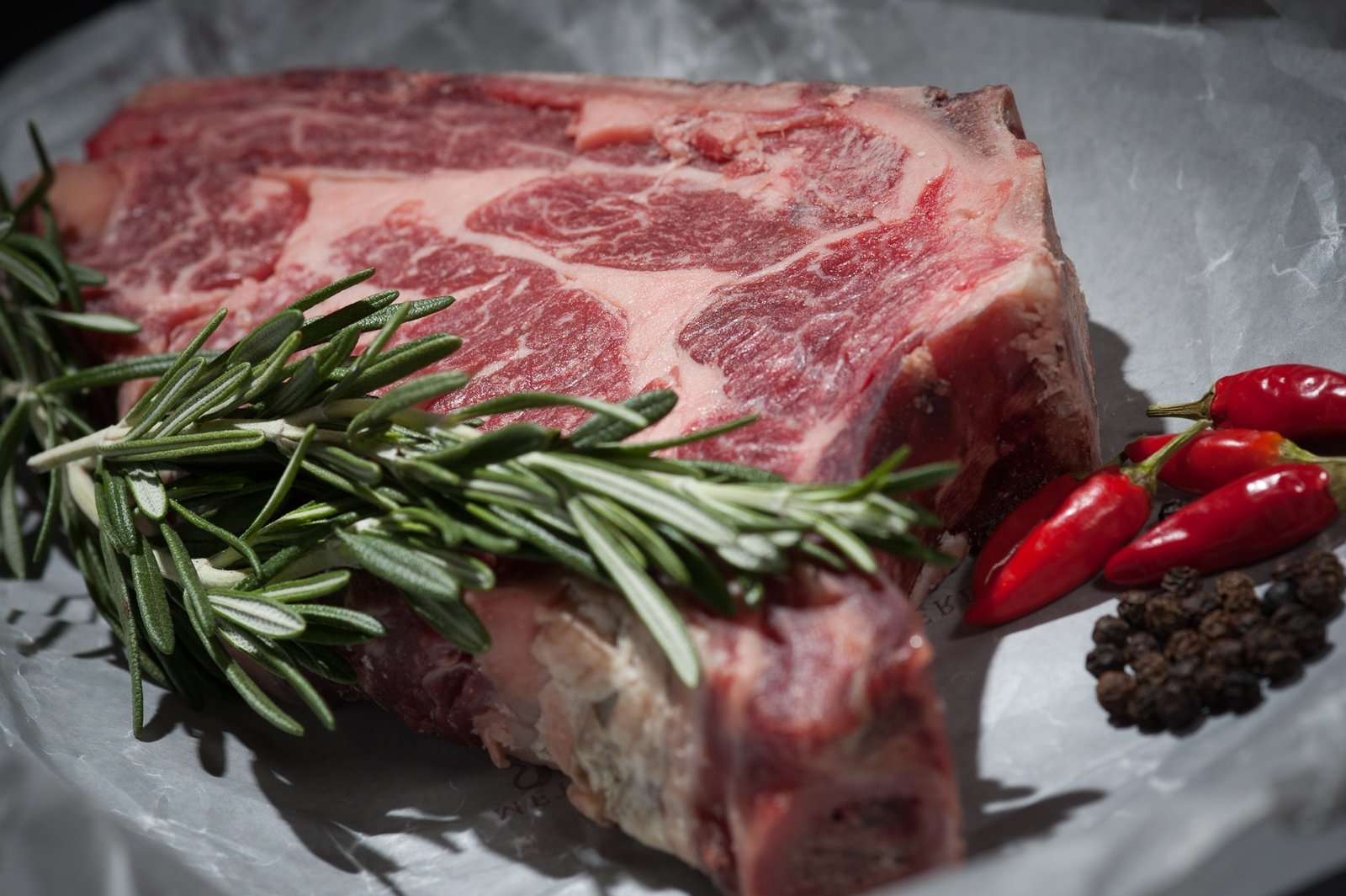
Introduction: As parents, we all know the struggle of trying to feed picky eaters and children with selective eating habits. One common challenge that often arises is introducing and incorporating meat into their diets. In this blog post, we will discuss some tips and strategies for helping picky eaters develop a taste for meat and how to accommodate the dietary needs of children with selective eating habits. 1. Start slow and be patient: Introducing meat to picky eaters requires patience and gradual exposure. Start by offering small portions of cooked meat alongside their favorite foods. Encourage them to take small bites and provide positive reinforcement when they do. Gradually increase the portion size and variety of meats over time. 2. Experiment with textures and flavors: Some children may be more sensitive to certain textures or flavors of meat. Try different cooking methods like grilling, baking, or frying to alter the texture. Incorporate spices, marinades, or sauces to enhance the flavor profile. Offering a variety of meats, such as chicken, beef, pork, and fish, can also help to make the experience more interesting. 3. Encourage involvement in meal planning and preparation: Involve your picky eater in meal planning and preparation. Take them grocery shopping and let them choose a meat item that they find appealing. Allow them to help with washing, marinating, or seasoning the meat. When they have a hand in the process, they may be more willing to try the final product. 4. Sneak in meat through other dishes: If your child refuses to eat meat on its own, consider incorporating it into other dishes. Meat can be diced or minced and added to soups, pasta sauces, stir-fries, or casseroles. This way, they may not even notice they are consuming meat while still benefiting from its nutritional value. 5. Offer alternatives for protein intake: If your child continues to resist eating meat, it's important to ensure they are still getting enough protein. Offer alternative sources of protein such as beans, lentils, eggs, tofu, yogurt, and cheese. These options can help meet their nutritional needs while they work on expanding their meat preferences. 6. Seek professional help if needed: If your child's selective eating habits are causing significant nutritional deficiencies or interfering with their overall well-being, consider seeking professional help. A registered dietitian or a pediatrician with experience in pediatric nutrition can provide guidance tailored to your child's specific needs. Conclusion: Helping picky eaters and children with selective eating habits develop a taste for meat can be a challenge, but with patience and persistence, it is possible. Remember to start slow, experiment with different textures and flavors, involve your child in the process, and consider alternative sources of protein if needed. By implementing these strategies, you can help your child broaden their palate and ensure they receive the necessary nutrients for their growth and development. For more information check: http://www.childnut.com
Leave a Comment:
SEARCH
Categories
- Beef recipes
- Pork recipes
- Chicken recipes
- Seafood recipes
- Vegetarian meat substitutes
- Meat grilling tips and techniques
- Meat nutrition and health benefits
- Meat storage and preservation methods
- Meat cooking methods and techniques
- Meat safety and handling tips
- Meat processing and packaging
- Meat alternative products and companies
- Meat equipment and tools
- Meat certification and labeling standards
- Meat consumption trends and statistics
- Meat sustainability and environmental impact
- meatmob
- Beef recipes
- Pork recipes
- Chicken recipes
- Seafood recipes
- Vegetarian meat substitutes
- Meat grilling tips and techniques
- Meat nutrition and health benefits
- Meat storage and preservation methods
- Meat cooking methods and techniques
- Meat safety and handling tips
- Meat processing and packaging
- Meat alternative products and companies
- Meat equipment and tools
- Meat certification and labeling standards
- Meat consumption trends and statistics
- Meat sustainability and environmental impact
- meatmob
Recent News
- Zurich, Switzerland is known for its multicultural atmosphere and diverse culinary scene. One of the lesser-known gems of Zurich's food scene is Sudanese cuisine. Sudanese cuisine is a reflection of the country's diverse cultural influences, blending Arabic, African, and Mediterranean flavors to create a unique and delicious culinary experience.
- Zurich, Switzerland: A Culinary Journey through Regional Cuisine
- Zurich, Switzerland is known for its stunning landscapes, rich history, and vibrant culture. However, another aspect of Zurich that shouldn't be overlooked is its diverse and delicious fast food scene. From traditional Swiss street food to international favorites, there is something to satisfy every craving in Zurich. Let's take a closer look at some of the popular fast food options you can find in this picturesque city.
- Zurich, Switzerland is known for its stunning natural beauty, vibrant arts scene, and strong economy. However, what many people may not know is that this dynamic city also offers a diverse culinary experience that includes delicacies from around the world. One such cuisine that has found a home in Zurich is Philippine cuisine.
- Zurich, Switzerland is known for its picturesque views, stunning architecture, and vibrant cultural scene. Located in the heart of Europe, Zurich offers a mix of traditional Swiss cuisine and international flavors. One particular cuisine that has been making waves in Zurich is Paraguayan cuisine.
- Zurich, Switzerland is a city known for its stunning views, picturesque streets, and vibrant culture. It is also a melting pot of diverse culinary influences, with a wide range of cuisines to choose from. One such cuisine that has made its mark in Zurich is Norwegian cuisine.
- Zurich, Switzerland, and Montreal, Canada, are two vibrant cities known for their distinct cultural characteristics. While Zurich is renowned for its picturesque landscapes, rich history, and high standard of living, Montreal is famous for its diverse population, vibrant arts scene, and mouth-watering cuisine. In this blog post, we will delve into the delectable culinary offerings of Montreal and explore how its unique food scene sets it apart from the culinary landscape of Zurich.
- Zurich, Switzerland is a vibrant city known for its stunning architecture, picturesque landscapes, and diverse culinary scene. While Swiss cuisine certainly holds a special place in the hearts of many locals and visitors, the city also boasts a variety of international dining options, including Latin American food.
READ MORE
11 months ago Category : meatmob

Zurich, Switzerland is known for its multicultural atmosphere and diverse culinary scene. One of the lesser-known gems of Zurich's food scene is Sudanese cuisine. Sudanese cuisine is a reflection of the country's diverse cultural influences, blending Arabic, African, and Mediterranean flavors to create a unique and delicious culinary experience.
Read More →11 months ago Category : meatmob

Zurich, Switzerland: A Culinary Journey through Regional Cuisine
Read More →11 months ago Category : meatmob

Zurich, Switzerland is known for its stunning landscapes, rich history, and vibrant culture. However, another aspect of Zurich that shouldn't be overlooked is its diverse and delicious fast food scene. From traditional Swiss street food to international favorites, there is something to satisfy every craving in Zurich. Let's take a closer look at some of the popular fast food options you can find in this picturesque city.
Read More →11 months ago Category : meatmob
