Meat Mob
Recipes
Vegetarian Meat Substitutes
Meat Grilling Tips and Techniques
Meat Nutrition and Health Benefits
Unraveling the Meat Industry: Addressing Misinformation in the Age of Social Media
Category : meatmob | Sub Category : meatmob Posted on 2023-10-30 21:24:53
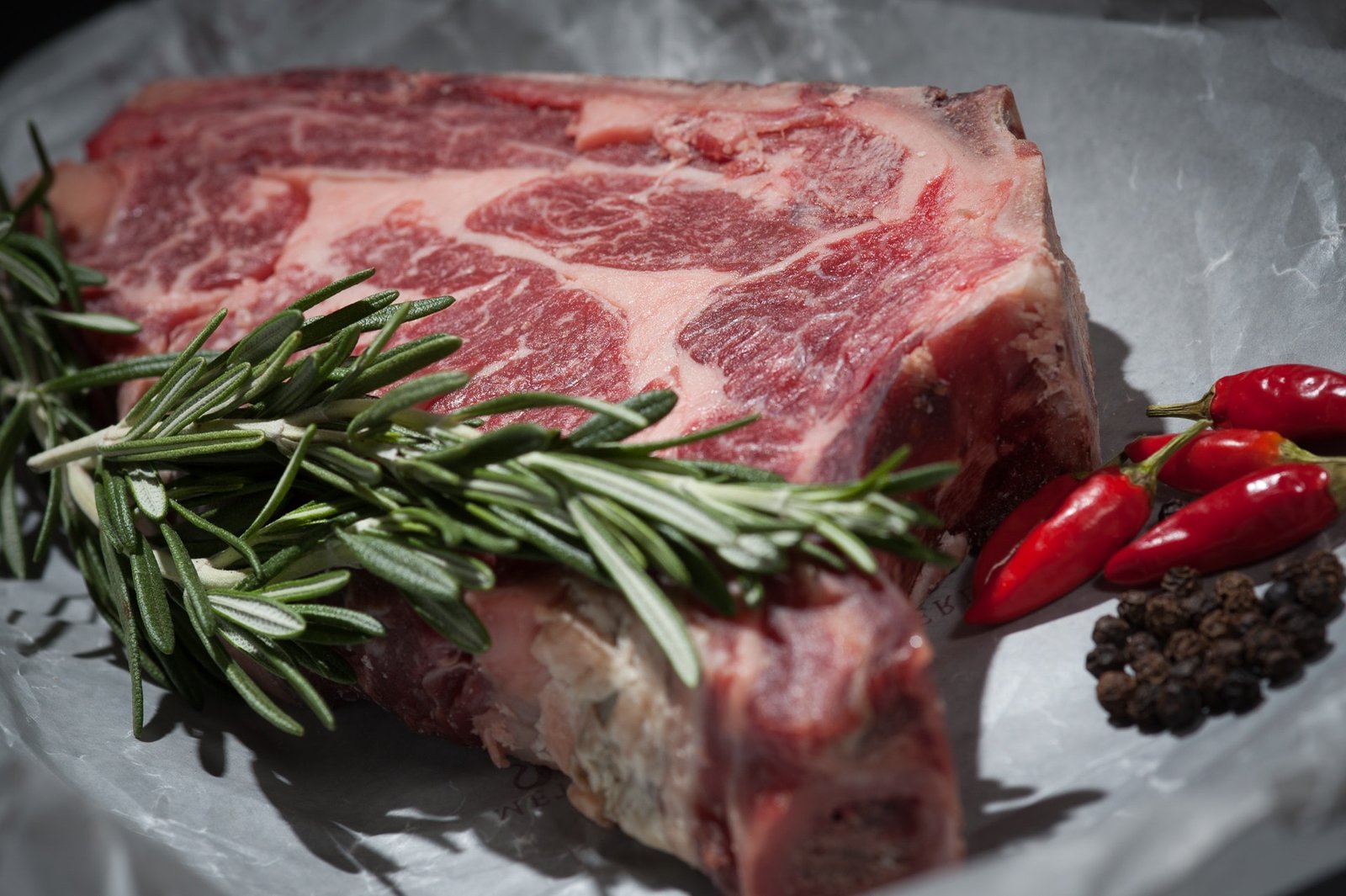
Introduction: In today's digital age, social media has become a powerful tool for sharing information and shaping public opinion. However, it can also be a breeding ground for misinformation or biases, and the meat industry is not immune to it. In this blog post, we will dive into the realm of meat-related misinformation on social media platforms, dissect its implications, and shed light on the reality of the meat industry. Misconceptions about Meat Production: 1. Factory Farming: One of the most common misconceptions on social media is the portrayal of factory farming as the norm in the meat industry. While large-scale industrial farms do exist, they are not representative of the entire industry. Numerous small-scale and family-run farms prioritize animal welfare and sustainable practices. 2. Hormone and Antibiotic Use: Misinformation often circulates around the use of hormones and antibiotics in meat production. The reality is that hormone use is strictly regulated in many countries, and hormones are not used in poultry or pork production at all. Furthermore, the use of antibiotics in meat production is primarily for the health and welfare of animals, with strict withdrawal periods to ensure meat is safe for consumption. 3. Environmental Impact: Social media sometimes portrays meat production as a significant contributor to environmental degradation. While it is true that large-scale operations can have environmental implications, sustainable farming practices such as rotational grazing, regenerative agriculture, and waste management initiatives are gradually gaining popularity to minimize the ecological footprint of meat production. The Role of Social Media in Misinformation: 1. Echo Chambers and Confirmation Bias: Social media algorithms often prioritize content that aligns with users' existing beliefs, leading to echo chambers where selective information is shared and consumed. This reinforces people's biases and makes it challenging to separate fact from fiction. 2. Lack of Credible Sources: With the ease of sharing information on social media, it is crucial to critically evaluate the sources of information. Misinformation can easily spread when legitimate scientific studies are overshadowed by sensationalist claims or personal anecdotes. 3. Influencer Culture: Influencers and celebrities with massive followings often have a significant impact on public opinion. When they promote specific diets, label meat as unhealthy, or share misleading information, it can perpetuate misinformation and shape public views. Addressing Misinformation: 1. Fact-checking: Promoting fact-checking initiatives and encouraging users to verify information before sharing can greatly reduce the spread of misinformation on social media platforms. 2. Education: Raising awareness through educational campaigns about the various aspects of meat production, such as animal welfare, sustainability, and health implications, is essential for combating misinformation. Collaborating with credible organizations can help disseminate accurate information to a wider audience. 3. Engaging with the Public: Actively engaging with the public by answering questions, addressing concerns, and providing transparent information can build trust and bridge the gap between the meat industry and consumers. Conclusion: While social media has the power to disseminate information rapidly, it also poses challenges in combating misinformation. To address the misconceptions surrounding the meat industry, it is crucial for consumers to critically evaluate the sources of information, rely on credible sources, and engage directly with the industry. By fostering open and transparent communication, we can dispel misconceptions, promote understanding, and work towards a more informed dialogue surrounding meat production. Expand your knowledge by perusing http://www.semifake.com
Leave a Comment:
SEARCH
Categories
- Beef recipes
- Pork recipes
- Chicken recipes
- Seafood recipes
- Vegetarian meat substitutes
- Meat grilling tips and techniques
- Meat nutrition and health benefits
- Meat storage and preservation methods
- Meat cooking methods and techniques
- Meat safety and handling tips
- Meat processing and packaging
- Meat alternative products and companies
- Meat equipment and tools
- Meat certification and labeling standards
- Meat consumption trends and statistics
- Meat sustainability and environmental impact
- meatmob
- Beef recipes
- Pork recipes
- Chicken recipes
- Seafood recipes
- Vegetarian meat substitutes
- Meat grilling tips and techniques
- Meat nutrition and health benefits
- Meat storage and preservation methods
- Meat cooking methods and techniques
- Meat safety and handling tips
- Meat processing and packaging
- Meat alternative products and companies
- Meat equipment and tools
- Meat certification and labeling standards
- Meat consumption trends and statistics
- Meat sustainability and environmental impact
- meatmob
Recent News
- Zurich, Switzerland is known for its multicultural atmosphere and diverse culinary scene. One of the lesser-known gems of Zurich's food scene is Sudanese cuisine. Sudanese cuisine is a reflection of the country's diverse cultural influences, blending Arabic, African, and Mediterranean flavors to create a unique and delicious culinary experience.
- Zurich, Switzerland: A Culinary Journey through Regional Cuisine
- Zurich, Switzerland is known for its stunning landscapes, rich history, and vibrant culture. However, another aspect of Zurich that shouldn't be overlooked is its diverse and delicious fast food scene. From traditional Swiss street food to international favorites, there is something to satisfy every craving in Zurich. Let's take a closer look at some of the popular fast food options you can find in this picturesque city.
- Zurich, Switzerland is known for its stunning natural beauty, vibrant arts scene, and strong economy. However, what many people may not know is that this dynamic city also offers a diverse culinary experience that includes delicacies from around the world. One such cuisine that has found a home in Zurich is Philippine cuisine.
- Zurich, Switzerland is known for its picturesque views, stunning architecture, and vibrant cultural scene. Located in the heart of Europe, Zurich offers a mix of traditional Swiss cuisine and international flavors. One particular cuisine that has been making waves in Zurich is Paraguayan cuisine.
- Zurich, Switzerland is a city known for its stunning views, picturesque streets, and vibrant culture. It is also a melting pot of diverse culinary influences, with a wide range of cuisines to choose from. One such cuisine that has made its mark in Zurich is Norwegian cuisine.
- Zurich, Switzerland, and Montreal, Canada, are two vibrant cities known for their distinct cultural characteristics. While Zurich is renowned for its picturesque landscapes, rich history, and high standard of living, Montreal is famous for its diverse population, vibrant arts scene, and mouth-watering cuisine. In this blog post, we will delve into the delectable culinary offerings of Montreal and explore how its unique food scene sets it apart from the culinary landscape of Zurich.
- Zurich, Switzerland is a vibrant city known for its stunning architecture, picturesque landscapes, and diverse culinary scene. While Swiss cuisine certainly holds a special place in the hearts of many locals and visitors, the city also boasts a variety of international dining options, including Latin American food.
READ MORE
11 months ago Category : meatmob

Zurich, Switzerland is known for its multicultural atmosphere and diverse culinary scene. One of the lesser-known gems of Zurich's food scene is Sudanese cuisine. Sudanese cuisine is a reflection of the country's diverse cultural influences, blending Arabic, African, and Mediterranean flavors to create a unique and delicious culinary experience.
Read More →11 months ago Category : meatmob

Zurich, Switzerland: A Culinary Journey through Regional Cuisine
Read More →11 months ago Category : meatmob

Zurich, Switzerland is known for its stunning landscapes, rich history, and vibrant culture. However, another aspect of Zurich that shouldn't be overlooked is its diverse and delicious fast food scene. From traditional Swiss street food to international favorites, there is something to satisfy every craving in Zurich. Let's take a closer look at some of the popular fast food options you can find in this picturesque city.
Read More →11 months ago Category : meatmob
