Meat Mob
Recipes
Vegetarian Meat Substitutes
Meat Grilling Tips and Techniques
Meat Nutrition and Health Benefits
Understanding Meat Consumption Trends and Statistics in Canada
Category : meatmob | Sub Category : meatmob Posted on 2023-10-30 21:24:53
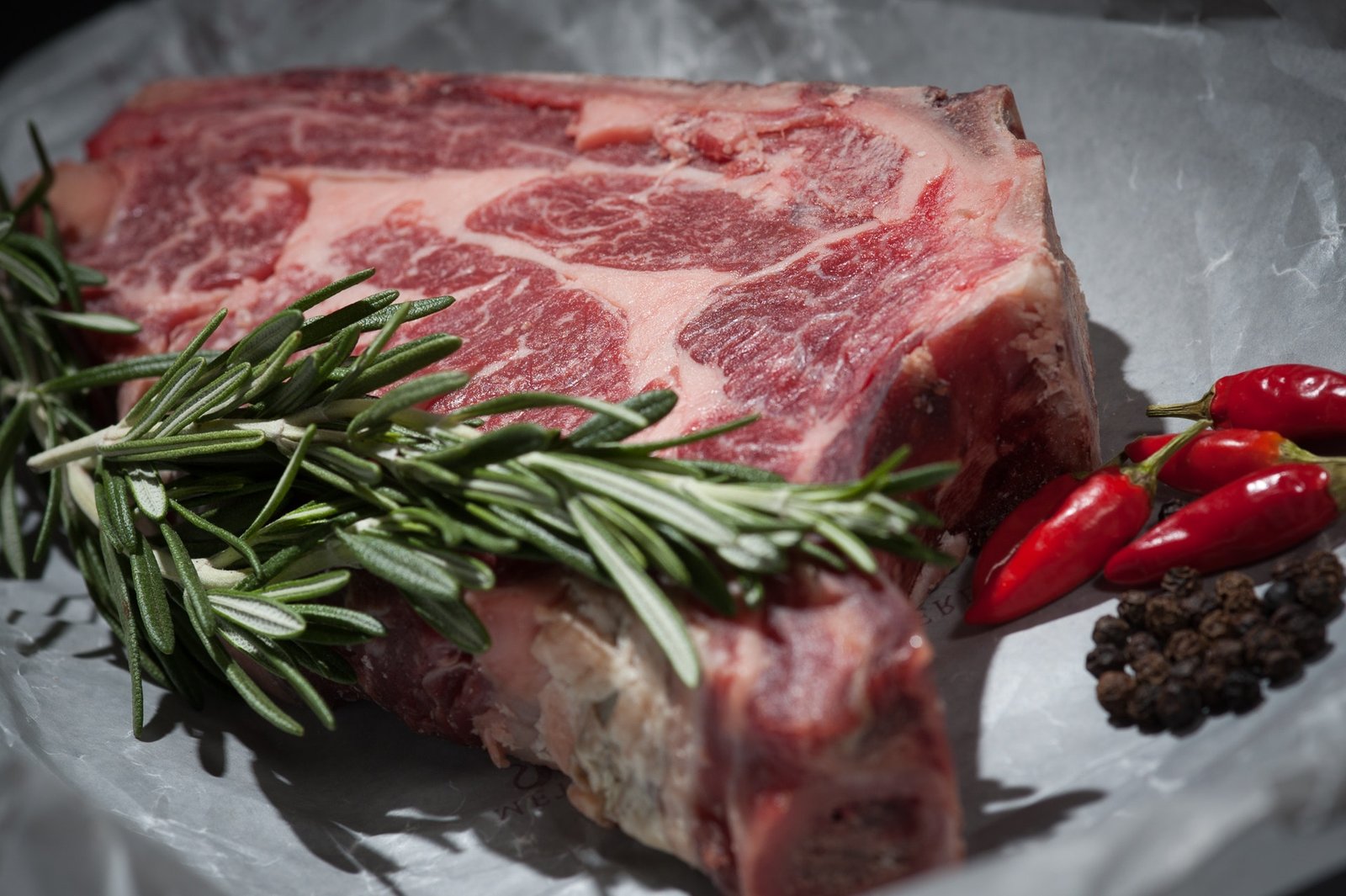
Introduction: In recent years, there has been a growing interest in exploring the impact of our dietary choices on various aspects of our lives, including our health, the environment, and animal welfare. One of the key areas of focus for many researchers and policymakers is meat consumption. In this blog post, we will delve into the meat consumption trends and statistics in Canada, shedding light on the current state and potential future developments. Meat Consumption Patterns: Canada is known for its diverse culinary landscape, and meat plays a significant role in the country's traditional cuisine. However, over the past decade, there has been a noticeable shift in meat consumption patterns. While meat consumption overall has remained relatively stable, there has been a growing interest in plant-based alternatives and a movement towards reducing meat intake. According to a survey conducted by Dalhousie University, approximately 6.4 million Canadians have either reduced their meat consumption or have completely eliminated it from their diets. This surge in interest can be attributed to various factors, including health concerns, environmental impact, and animal welfare considerations. Health Factors: A substantial number of Canadians have become more health-conscious and are making dietary choices based on research linking high meat consumption with health issues such as heart disease, obesity, and certain types of cancer. As a result, many individuals are turning towards plant-based alternatives, which are perceived to be healthier and lower in saturated fats. Environmental Impact: The environmental impact of meat production is another influential factor driving the shift in consumption trends. Livestock production has been linked to deforestation, high water usage, and greenhouse gas emissions. As concerns about climate change continue to grow, more individuals are exploring meat alternatives and adopting more sustainable dietary choices. Animal Welfare: The ethical treatment of animals has gained significant attention in recent years, leading many Canadians to reevaluate their meat consumption habits. Animal welfare organizations have raised awareness about the conditions in which animals are raised for food, prompting individuals to choose cruelty-free options or reduce their meat intake altogether. Government Initiatives and Policies: Recognizing the need to address the environmental impacts and health concerns associated with meat consumption, the Canadian government has undertaken several initiatives and policies to encourage sustainable and healthier dietary choices. These include promoting alternatives to animal-based products, implementing labeling requirements for processed meat products, and investing in research to find sustainable solutions for the agricultural sector. Conclusion: Meat consumption trends and statistics in Canada reflect a changing landscape driven by health concerns, environmental impact, and animal welfare considerations. While meat consumption patterns have remained relatively stable, there is a noticeable increase in interest in plant-based alternatives and a growing movement towards reducing meat intake. As Canadians become more aware of the impact of their dietary choices, it is crucial to continue exploring sustainable and healthier alternatives to ensure a more balanced and environmentally friendly food system.
Leave a Comment:
SEARCH
Categories
- Beef recipes
- Pork recipes
- Chicken recipes
- Seafood recipes
- Vegetarian meat substitutes
- Meat grilling tips and techniques
- Meat nutrition and health benefits
- Meat storage and preservation methods
- Meat cooking methods and techniques
- Meat safety and handling tips
- Meat processing and packaging
- Meat alternative products and companies
- Meat equipment and tools
- Meat certification and labeling standards
- Meat consumption trends and statistics
- Meat sustainability and environmental impact
- meatmob
- Beef recipes
- Pork recipes
- Chicken recipes
- Seafood recipes
- Vegetarian meat substitutes
- Meat grilling tips and techniques
- Meat nutrition and health benefits
- Meat storage and preservation methods
- Meat cooking methods and techniques
- Meat safety and handling tips
- Meat processing and packaging
- Meat alternative products and companies
- Meat equipment and tools
- Meat certification and labeling standards
- Meat consumption trends and statistics
- Meat sustainability and environmental impact
- meatmob
Recent News
- Zurich, Switzerland is known for its multicultural atmosphere and diverse culinary scene. One of the lesser-known gems of Zurich's food scene is Sudanese cuisine. Sudanese cuisine is a reflection of the country's diverse cultural influences, blending Arabic, African, and Mediterranean flavors to create a unique and delicious culinary experience.
- Zurich, Switzerland: A Culinary Journey through Regional Cuisine
- Zurich, Switzerland is known for its stunning landscapes, rich history, and vibrant culture. However, another aspect of Zurich that shouldn't be overlooked is its diverse and delicious fast food scene. From traditional Swiss street food to international favorites, there is something to satisfy every craving in Zurich. Let's take a closer look at some of the popular fast food options you can find in this picturesque city.
- Zurich, Switzerland is known for its stunning natural beauty, vibrant arts scene, and strong economy. However, what many people may not know is that this dynamic city also offers a diverse culinary experience that includes delicacies from around the world. One such cuisine that has found a home in Zurich is Philippine cuisine.
- Zurich, Switzerland is known for its picturesque views, stunning architecture, and vibrant cultural scene. Located in the heart of Europe, Zurich offers a mix of traditional Swiss cuisine and international flavors. One particular cuisine that has been making waves in Zurich is Paraguayan cuisine.
- Zurich, Switzerland is a city known for its stunning views, picturesque streets, and vibrant culture. It is also a melting pot of diverse culinary influences, with a wide range of cuisines to choose from. One such cuisine that has made its mark in Zurich is Norwegian cuisine.
- Zurich, Switzerland, and Montreal, Canada, are two vibrant cities known for their distinct cultural characteristics. While Zurich is renowned for its picturesque landscapes, rich history, and high standard of living, Montreal is famous for its diverse population, vibrant arts scene, and mouth-watering cuisine. In this blog post, we will delve into the delectable culinary offerings of Montreal and explore how its unique food scene sets it apart from the culinary landscape of Zurich.
- Zurich, Switzerland is a vibrant city known for its stunning architecture, picturesque landscapes, and diverse culinary scene. While Swiss cuisine certainly holds a special place in the hearts of many locals and visitors, the city also boasts a variety of international dining options, including Latin American food.
READ MORE
11 months ago Category : meatmob

Zurich, Switzerland is known for its multicultural atmosphere and diverse culinary scene. One of the lesser-known gems of Zurich's food scene is Sudanese cuisine. Sudanese cuisine is a reflection of the country's diverse cultural influences, blending Arabic, African, and Mediterranean flavors to create a unique and delicious culinary experience.
Read More →11 months ago Category : meatmob

Zurich, Switzerland: A Culinary Journey through Regional Cuisine
Read More →11 months ago Category : meatmob

Zurich, Switzerland is known for its stunning landscapes, rich history, and vibrant culture. However, another aspect of Zurich that shouldn't be overlooked is its diverse and delicious fast food scene. From traditional Swiss street food to international favorites, there is something to satisfy every craving in Zurich. Let's take a closer look at some of the popular fast food options you can find in this picturesque city.
Read More →11 months ago Category : meatmob
