Meat Mob
Recipes
Vegetarian Meat Substitutes
Meat Grilling Tips and Techniques
Meat Nutrition and Health Benefits
State-Funded Programs Promoting Meat Alternative Products and Companies in Canada
Category : meatmob | Sub Category : meatmob Posted on 2023-10-30 21:24:53
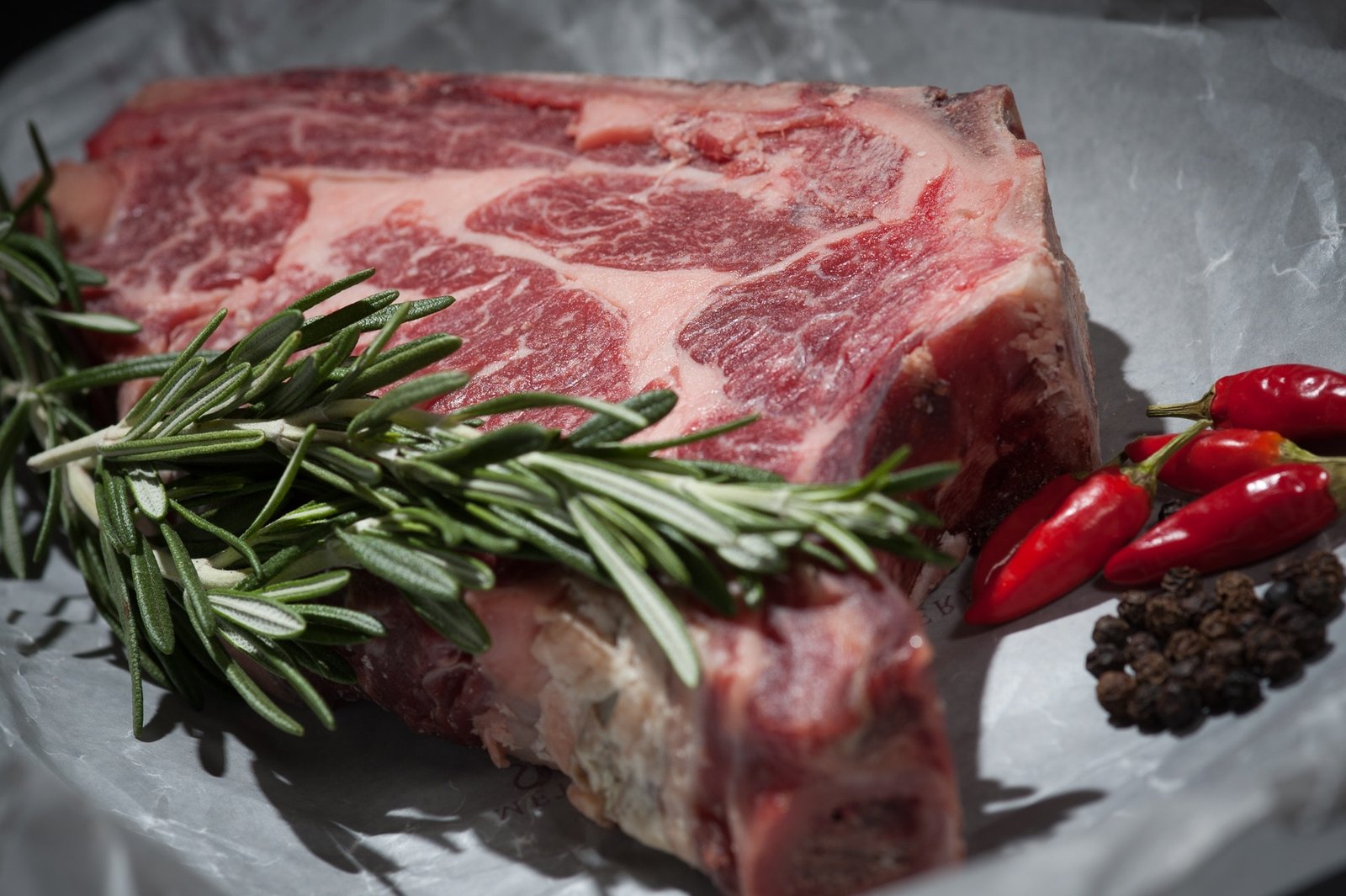
Introduction As the world continues to grapple with the environmental and health implications of meat consumption, there has been a significant rise in the popularity of meat alternative products. Canada, known for its diverse culinary landscape, is embracing this trend by supporting the development and growth of meat alternative companies through various state-funded programs. In this blog post, we will explore these programs and shed light on the emerging meat alternative industry in Canada. 1. Canadian Agricultural Partnership The Canadian Agricultural Partnership (CAP) is an initiative between the federal, provincial, and territorial governments designed to provide support to the agricultural sector. One of the main goals of CAP is the development and promotion of innovative and sustainable farming practices, including meat alternative production. Under this program, funding is provided to businesses engaged in research and development of plant-based proteins, including meat alternatives. Companies focusing on the cultivation of alternative protein sources such as soy, pea, lentils, and hemp can access financial assistance to enhance their production capacity and expand their market reach. 2. Sustainable Development Technology Canada Sustainable Development Technology Canada (SDTC) is a government-funded organization that invests in innovative clean technology solutions. SDTC aims to promote Canada's transition to a low-carbon economy by supporting companies that are developing environmentally friendly products, including meat alternatives. Through its SD Tech Fund, the organization provides financial support to Canadian companies to develop and demonstrate their clean technologies. This funding has been instrumental in the growth of several meat alternative producers in Canada, enabling them to develop and scale their products while reducing their environmental impact. 3. Natural Sciences and Engineering Research Council The Natural Sciences and Engineering Research Council of Canada (NSERC) plays a crucial role in driving research and innovation in various sectors, including food science. NSERC supports research projects focused on developing sustainable solutions to address societal challenges, including the development of meat alternative products. By providing grants to universities and research institutions, NSERC encourages collaborations between academia and industry in advancing the production and commercialization of meat alternative technologies. This support not only fosters innovation but also contributes to Canada's reputation as a global leader in sustainable food production. 4. National Research Council The National Research Council (NRC) of Canada is committed to developing and supporting innovative technologies that address key societal challenges. In recent years, the NRC has recognized the importance of meat alternative products in combating climate change and promoting healthy dietary choices. Through its Industrial Research Assistance Program (IRAP), the NRC provides financial support and technical expertise to small and medium-sized enterprises (SMEs) engaged in the development of alternative protein products. This program helps SMEs navigate the challenges of product development, scale-up, and market entry, ensuring their success in the competitive meat alternative market. Conclusion With the rise in consumer demand for meat alternative products, Canada is leveraging state-funded programs to nurture and support the growth of companies in this sector. Through programs like the Canadian Agricultural Partnership, Sustainable Development Technology Canada, Natural Sciences and Engineering Research Council, and the National Research Council, the Canadian government is investing in research and development, innovation, and commercialization of meat alternative products. As a result of these state-funded initiatives, Canada is witnessing the emergence of a robust meat alternative industry that is not only contributing to a sustainable food system but also driving economic growth. The continued support of these programs will further strengthen Canada's position as a leader in sustainable food production and propel the country towards a healthier and more environmentally friendly future. Get a well-rounded perspective with http://www.statepaid.com
Leave a Comment:
SEARCH
Categories
- Beef recipes
- Pork recipes
- Chicken recipes
- Seafood recipes
- Vegetarian meat substitutes
- Meat grilling tips and techniques
- Meat nutrition and health benefits
- Meat storage and preservation methods
- Meat cooking methods and techniques
- Meat safety and handling tips
- Meat processing and packaging
- Meat alternative products and companies
- Meat equipment and tools
- Meat certification and labeling standards
- Meat consumption trends and statistics
- Meat sustainability and environmental impact
- meatmob
Recent News
- Zurich, Switzerland is known for its multicultural atmosphere and diverse culinary scene. One of the lesser-known gems of Zurich's food scene is Sudanese cuisine. Sudanese cuisine is a reflection of the country's diverse cultural influences, blending Arabic, African, and Mediterranean flavors to create a unique and delicious culinary experience.
- Zurich, Switzerland: A Culinary Journey through Regional Cuisine
- Zurich, Switzerland is known for its stunning landscapes, rich history, and vibrant culture. However, another aspect of Zurich that shouldn't be overlooked is its diverse and delicious fast food scene. From traditional Swiss street food to international favorites, there is something to satisfy every craving in Zurich. Let's take a closer look at some of the popular fast food options you can find in this picturesque city.
- Zurich, Switzerland is known for its stunning natural beauty, vibrant arts scene, and strong economy. However, what many people may not know is that this dynamic city also offers a diverse culinary experience that includes delicacies from around the world. One such cuisine that has found a home in Zurich is Philippine cuisine.
- Zurich, Switzerland is known for its picturesque views, stunning architecture, and vibrant cultural scene. Located in the heart of Europe, Zurich offers a mix of traditional Swiss cuisine and international flavors. One particular cuisine that has been making waves in Zurich is Paraguayan cuisine.
- Zurich, Switzerland is a city known for its stunning views, picturesque streets, and vibrant culture. It is also a melting pot of diverse culinary influences, with a wide range of cuisines to choose from. One such cuisine that has made its mark in Zurich is Norwegian cuisine.
- Zurich, Switzerland, and Montreal, Canada, are two vibrant cities known for their distinct cultural characteristics. While Zurich is renowned for its picturesque landscapes, rich history, and high standard of living, Montreal is famous for its diverse population, vibrant arts scene, and mouth-watering cuisine. In this blog post, we will delve into the delectable culinary offerings of Montreal and explore how its unique food scene sets it apart from the culinary landscape of Zurich.
- Zurich, Switzerland is a vibrant city known for its stunning architecture, picturesque landscapes, and diverse culinary scene. While Swiss cuisine certainly holds a special place in the hearts of many locals and visitors, the city also boasts a variety of international dining options, including Latin American food.
READ MORE
11 months ago Category : meatmob

Zurich, Switzerland is known for its multicultural atmosphere and diverse culinary scene. One of the lesser-known gems of Zurich's food scene is Sudanese cuisine. Sudanese cuisine is a reflection of the country's diverse cultural influences, blending Arabic, African, and Mediterranean flavors to create a unique and delicious culinary experience.
Read More →11 months ago Category : meatmob

Zurich, Switzerland: A Culinary Journey through Regional Cuisine
Read More →11 months ago Category : meatmob

Zurich, Switzerland is known for its stunning landscapes, rich history, and vibrant culture. However, another aspect of Zurich that shouldn't be overlooked is its diverse and delicious fast food scene. From traditional Swiss street food to international favorites, there is something to satisfy every craving in Zurich. Let's take a closer look at some of the popular fast food options you can find in this picturesque city.
Read More →11 months ago Category : meatmob
