Meat Mob
Recipes
Vegetarian Meat Substitutes
Meat Grilling Tips and Techniques
Meat Nutrition and Health Benefits
State Government Payments and the Impact of Meat Sustainability on the Environment
Category : meatmob | Sub Category : meatmob Posted on 2023-10-30 21:24:53
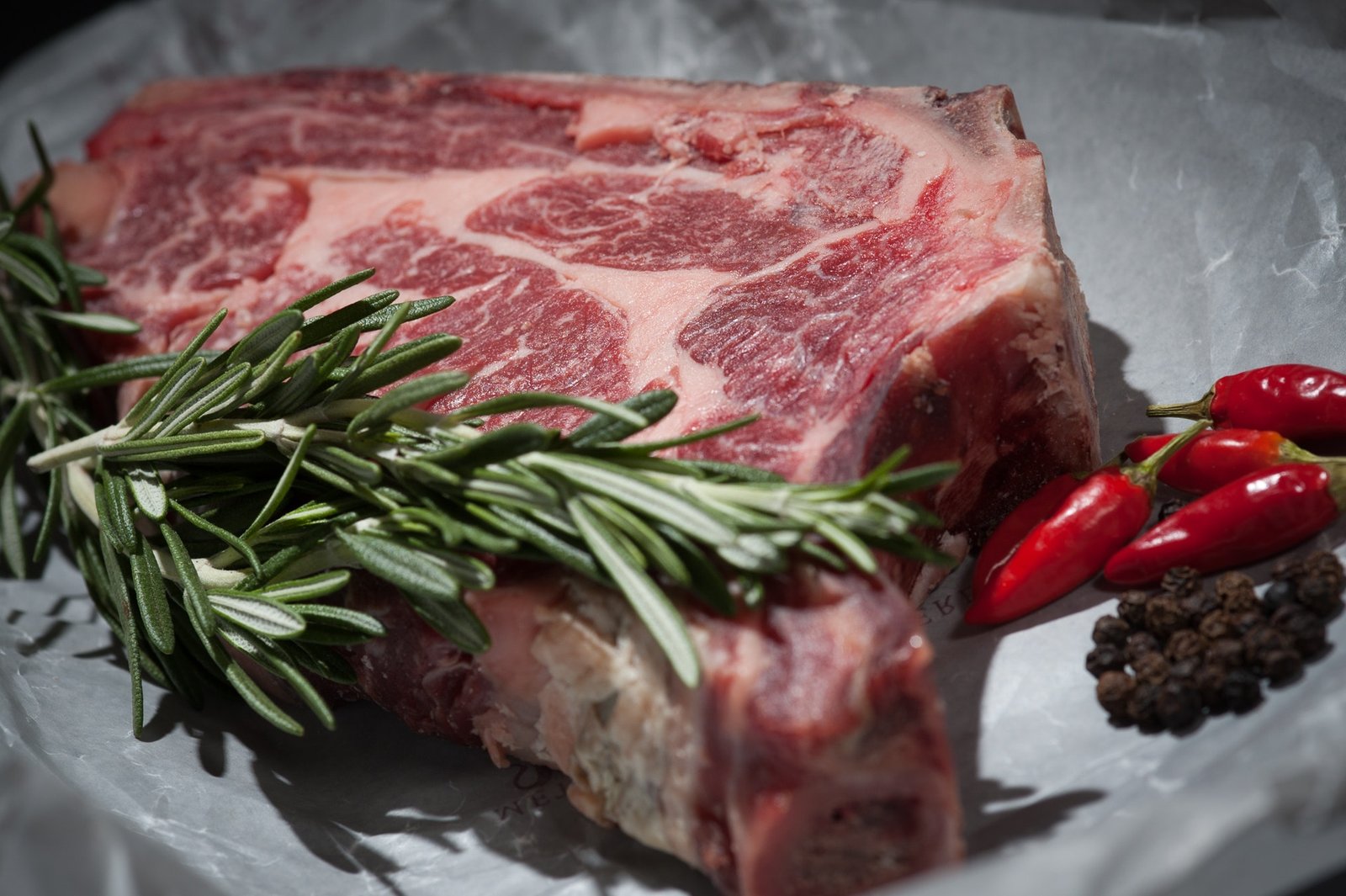
Introduction: As concerns about the environmental impact of meat production grow, state governments are exploring ways to promote sustainable practices within the industry. Recognizing the importance of addressing this issue, several states have implemented payment programs to support farmers and ranchers in adopting more sustainable practices and mitigating the environmental impact of meat production. In this blog post, we will explore the significance of state government payments for meat sustainability and its potential environmental benefits. The Environmental Impact of Meat Production: Meat production, particularly from conventional farming methods, has a substantial environmental footprint. The industry is responsible for significant greenhouse gas emissions, deforestation, water pollution, and excessive resource consumption. As the demand for meat continues to rise globally, it becomes crucial to find ways to reduce the environmental impact associated with its production. State Government Payment Programs: State governments across the country have recognized the need to support farmers and ranchers in transitioning to more sustainable practices. These payment programs aim to incentivize and financially assist producers who adopt environmentally friendly approaches to meat production. Through these programs, farmers and ranchers can receive grants, subsidies, or compensation for implementing sustainable practices such as improved animal welfare, regenerative agriculture, and reduced use of chemical inputs. Benefits of State Government Payments: The implementation of state government payment programs for meat sustainability offers numerous benefits for both the environment and farmers. Let's take a closer look at some of these advantages: 1. Promoting the Transition to Regenerative Agriculture: State government payments encourage farmers to adopt regenerative practices that prioritize soil health, biodiversity, and water conservation. These practices, such as rotational grazing or cover cropping, can help sequester carbon, improve soil fertility, and reduce water usage. By financially supporting these efforts, state governments contribute to long-term environmental sustainability and provide economic stability to farmers. 2. Supporting Animal Welfare: Many state payment programs also emphasize animal welfare standards. By promoting humane treatment and raising animals in more natural and ethical conditions, such programs help alleviate animal suffering and promote sustainable livestock practices. 3. Reducing Greenhouse Gas Emissions: Through financial incentives, state governments aim to reduce greenhouse gas emissions associated with meat production. For instance, farmers who adopt methane capture technologies or implement strategies to reduce enteric fermentation can significantly lower their contribution to climate change. These payment programs accelerate the adoption of innovative techniques that mitigate the industry's environmental impact. 4. Encouraging Collaboration and Knowledge Exchange: State government payment programs often foster collaboration among producers, researchers, and conservation organizations. By providing resources and funding for research, training, and workshops, these programs facilitate knowledge exchange and the adoption of best practices across the industry. This collaborative approach ensures continuous improvement in meat production sustainability. Conclusion: State government payment programs have emerged as vital tools to promote meat sustainability and reduce the environmental impact of meat production. By providing farmers and ranchers with financial support and incentives, these programs encourage the adoption of regenerative farming practices, improve animal welfare, and reduce greenhouse gas emissions. While there is still much work to be done, state government payments play a crucial role in transitioning the meat industry towards a more sustainable and environmentally conscious future. also visit the following website http://www.statepaid.com
Leave a Comment:
SEARCH
Categories
- Beef recipes
- Pork recipes
- Chicken recipes
- Seafood recipes
- Vegetarian meat substitutes
- Meat grilling tips and techniques
- Meat nutrition and health benefits
- Meat storage and preservation methods
- Meat cooking methods and techniques
- Meat safety and handling tips
- Meat processing and packaging
- Meat alternative products and companies
- Meat equipment and tools
- Meat certification and labeling standards
- Meat consumption trends and statistics
- Meat sustainability and environmental impact
- meatmob
Recent News
- Zurich, Switzerland is known for its multicultural atmosphere and diverse culinary scene. One of the lesser-known gems of Zurich's food scene is Sudanese cuisine. Sudanese cuisine is a reflection of the country's diverse cultural influences, blending Arabic, African, and Mediterranean flavors to create a unique and delicious culinary experience.
- Zurich, Switzerland: A Culinary Journey through Regional Cuisine
- Zurich, Switzerland is known for its stunning landscapes, rich history, and vibrant culture. However, another aspect of Zurich that shouldn't be overlooked is its diverse and delicious fast food scene. From traditional Swiss street food to international favorites, there is something to satisfy every craving in Zurich. Let's take a closer look at some of the popular fast food options you can find in this picturesque city.
- Zurich, Switzerland is known for its stunning natural beauty, vibrant arts scene, and strong economy. However, what many people may not know is that this dynamic city also offers a diverse culinary experience that includes delicacies from around the world. One such cuisine that has found a home in Zurich is Philippine cuisine.
- Zurich, Switzerland is known for its picturesque views, stunning architecture, and vibrant cultural scene. Located in the heart of Europe, Zurich offers a mix of traditional Swiss cuisine and international flavors. One particular cuisine that has been making waves in Zurich is Paraguayan cuisine.
- Zurich, Switzerland is a city known for its stunning views, picturesque streets, and vibrant culture. It is also a melting pot of diverse culinary influences, with a wide range of cuisines to choose from. One such cuisine that has made its mark in Zurich is Norwegian cuisine.
- Zurich, Switzerland, and Montreal, Canada, are two vibrant cities known for their distinct cultural characteristics. While Zurich is renowned for its picturesque landscapes, rich history, and high standard of living, Montreal is famous for its diverse population, vibrant arts scene, and mouth-watering cuisine. In this blog post, we will delve into the delectable culinary offerings of Montreal and explore how its unique food scene sets it apart from the culinary landscape of Zurich.
- Zurich, Switzerland is a vibrant city known for its stunning architecture, picturesque landscapes, and diverse culinary scene. While Swiss cuisine certainly holds a special place in the hearts of many locals and visitors, the city also boasts a variety of international dining options, including Latin American food.
READ MORE
11 months ago Category : meatmob

Zurich, Switzerland is known for its multicultural atmosphere and diverse culinary scene. One of the lesser-known gems of Zurich's food scene is Sudanese cuisine. Sudanese cuisine is a reflection of the country's diverse cultural influences, blending Arabic, African, and Mediterranean flavors to create a unique and delicious culinary experience.
Read More →11 months ago Category : meatmob

Zurich, Switzerland: A Culinary Journey through Regional Cuisine
Read More →11 months ago Category : meatmob

Zurich, Switzerland is known for its stunning landscapes, rich history, and vibrant culture. However, another aspect of Zurich that shouldn't be overlooked is its diverse and delicious fast food scene. From traditional Swiss street food to international favorites, there is something to satisfy every craving in Zurich. Let's take a closer look at some of the popular fast food options you can find in this picturesque city.
Read More →11 months ago Category : meatmob
