Meat Mob
Recipes
Vegetarian Meat Substitutes
Meat Grilling Tips and Techniques
Meat Nutrition and Health Benefits
State-Paid Meat: Balancing Sustainability and Environmental Impact
Category : meatmob | Sub Category : meatmob Posted on 2023-10-30 21:24:53
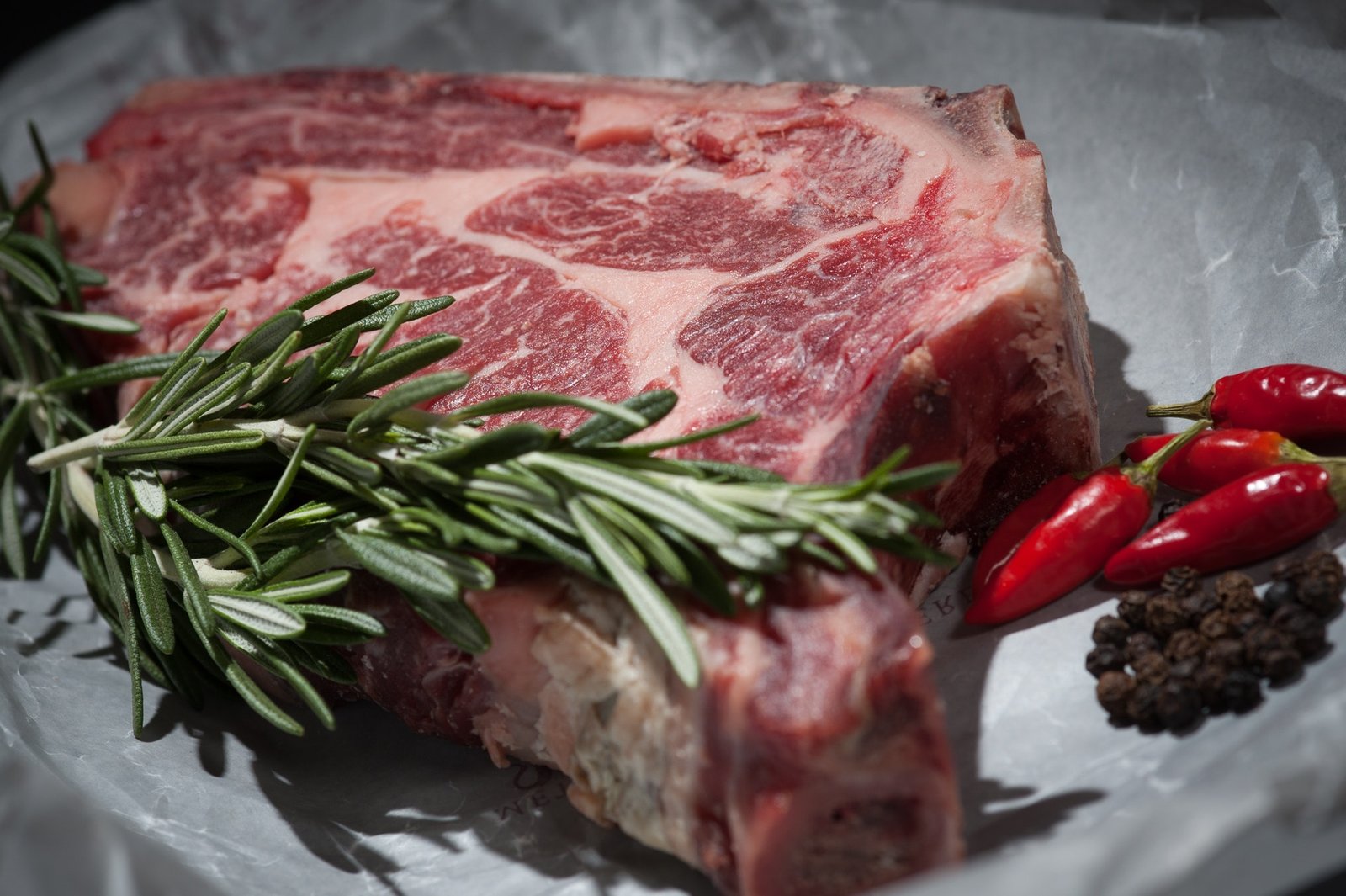
Introduction: In recent years, the global food industry has witnessed a growing concern regarding the environmental impact of meat production. As consumers become more aware of the carbon emissions, water usage, and land degradation associated with conventional meat production, the concept of state-paid meat has gained traction. In this blog post, we will delve into the concept of state-paid meat, exploring how it can potentially address sustainability concerns and lessen the environmental impact of our food choices. What is State-Paid Meat? State-paid meat, also known as subsidized or government-funded meat, is an intriguing proposal for promoting more sustainable practices in the meat industry. This concept entails government support in the form of financial incentives, subsidies, or direct payments to farmers who adopt environmentally friendly practices in their meat production processes. By incentivizing sustainable farming methods, state-paid meat aims to reduce the carbon footprint, protect natural resources, and promote animal welfare. Benefits of State-Paid Meat: 1. Environmental Impact Reduction: One of the main benefits of state-paid meat is the potential to mitigate the environmental impact associated with livestock farming. Farmers who receive incentives can implement sustainable practices such as rotational grazing, regenerative agriculture, and reducing chemical inputs, contributing to lower greenhouse gas emissions, improved biodiversity, and reduced water contamination. 2. Animal Welfare Improvements: State-paid schemes can encourage farmers to prioritize animal welfare by implementing ethical and humane practices. This may include providing larger living spaces, access to pasture, and reducing the use of antibiotics and growth hormones. 3. Promote Local Economies: By supporting local farmers through state-paid meat programs, governments can help revitalize rural communities. This approach fosters regional economic growth, job creation, and strengthens the local food system. 4. Educating Consumers: State-paid meat programs can also raise consumer awareness about the environmental impact of meat consumption. By promoting transparency and providing information on sustainable farming practices, consumers can make more informed choices about their dietary habits. Challenges and Considerations: While state-paid meat presents an array of benefits, there are also challenges to consider: 1. Funding and Budget Constraints: Implementing state-paid meat programs requires financial resources, which can strain government budgets. Balancing the potential benefits against the cost is a crucial factor for policymakers to consider. 2. Ensuring Fairness and Equity: It is essential to ensure that state-paid meat programs do not inadvertently favor large-scale, industrial agricultural operations. Special attention should be given to support small and medium-scale farmers, ensuring that the benefits are distributed equitably. 3. Policy Coherence: State-paid meat programs must align with existing agricultural policies and regulations. Coordinating efforts to maintain consistency across different sectors can be a complex task. Conclusion: State-paid meat can be a powerful tool in addressing the sustainability and environmental impacts of meat production. By incentivizing farmers to adopt eco-friendly practices and prioritizing animal welfare, state-paid meat programs have the potential to create a more sustainable and resilient food system. However, careful planning, effective policies, and collaboration among stakeholders are crucial to reap the maximum benefits of such initiatives. Ultimately, state-paid meat represents a promising avenue for achieving a win-win situation, benefiting both the environment and consumers. For additional information, refer to: http://www.statepaid.com
Leave a Comment:
SEARCH
Categories
- Beef recipes
- Pork recipes
- Chicken recipes
- Seafood recipes
- Vegetarian meat substitutes
- Meat grilling tips and techniques
- Meat nutrition and health benefits
- Meat storage and preservation methods
- Meat cooking methods and techniques
- Meat safety and handling tips
- Meat processing and packaging
- Meat alternative products and companies
- Meat equipment and tools
- Meat certification and labeling standards
- Meat consumption trends and statistics
- Meat sustainability and environmental impact
- meatmob
Recent News
- Zurich, Switzerland is known for its multicultural atmosphere and diverse culinary scene. One of the lesser-known gems of Zurich's food scene is Sudanese cuisine. Sudanese cuisine is a reflection of the country's diverse cultural influences, blending Arabic, African, and Mediterranean flavors to create a unique and delicious culinary experience.
- Zurich, Switzerland: A Culinary Journey through Regional Cuisine
- Zurich, Switzerland is known for its stunning landscapes, rich history, and vibrant culture. However, another aspect of Zurich that shouldn't be overlooked is its diverse and delicious fast food scene. From traditional Swiss street food to international favorites, there is something to satisfy every craving in Zurich. Let's take a closer look at some of the popular fast food options you can find in this picturesque city.
- Zurich, Switzerland is known for its stunning natural beauty, vibrant arts scene, and strong economy. However, what many people may not know is that this dynamic city also offers a diverse culinary experience that includes delicacies from around the world. One such cuisine that has found a home in Zurich is Philippine cuisine.
- Zurich, Switzerland is known for its picturesque views, stunning architecture, and vibrant cultural scene. Located in the heart of Europe, Zurich offers a mix of traditional Swiss cuisine and international flavors. One particular cuisine that has been making waves in Zurich is Paraguayan cuisine.
- Zurich, Switzerland is a city known for its stunning views, picturesque streets, and vibrant culture. It is also a melting pot of diverse culinary influences, with a wide range of cuisines to choose from. One such cuisine that has made its mark in Zurich is Norwegian cuisine.
- Zurich, Switzerland, and Montreal, Canada, are two vibrant cities known for their distinct cultural characteristics. While Zurich is renowned for its picturesque landscapes, rich history, and high standard of living, Montreal is famous for its diverse population, vibrant arts scene, and mouth-watering cuisine. In this blog post, we will delve into the delectable culinary offerings of Montreal and explore how its unique food scene sets it apart from the culinary landscape of Zurich.
- Zurich, Switzerland is a vibrant city known for its stunning architecture, picturesque landscapes, and diverse culinary scene. While Swiss cuisine certainly holds a special place in the hearts of many locals and visitors, the city also boasts a variety of international dining options, including Latin American food.
READ MORE
11 months ago Category : meatmob

Zurich, Switzerland is known for its multicultural atmosphere and diverse culinary scene. One of the lesser-known gems of Zurich's food scene is Sudanese cuisine. Sudanese cuisine is a reflection of the country's diverse cultural influences, blending Arabic, African, and Mediterranean flavors to create a unique and delicious culinary experience.
Read More →11 months ago Category : meatmob

Zurich, Switzerland: A Culinary Journey through Regional Cuisine
Read More →11 months ago Category : meatmob

Zurich, Switzerland is known for its stunning landscapes, rich history, and vibrant culture. However, another aspect of Zurich that shouldn't be overlooked is its diverse and delicious fast food scene. From traditional Swiss street food to international favorites, there is something to satisfy every craving in Zurich. Let's take a closer look at some of the popular fast food options you can find in this picturesque city.
Read More →11 months ago Category : meatmob
