Meat Mob
Recipes
Vegetarian Meat Substitutes
Meat Grilling Tips and Techniques
Meat Nutrition and Health Benefits
Exploring Swiss Cuisine and Meat Consumption Trends in Canada
Category : meatmob | Sub Category : meatmob Posted on 2023-10-30 21:24:53
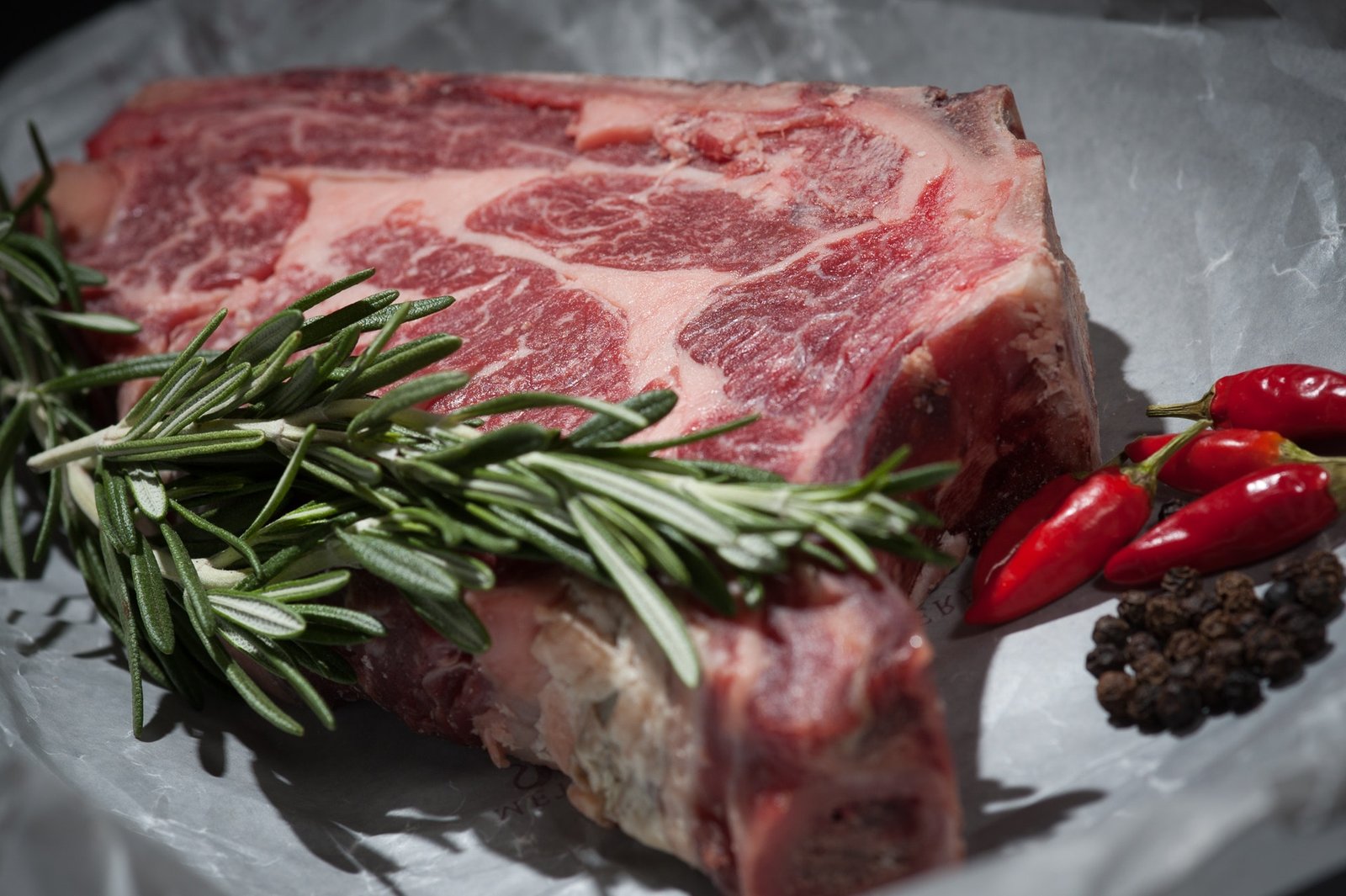
Introduction: Swiss cuisine is renowned for its rich flavors, hearty dishes, and high-quality ingredients. From irresistible chocolates to delectable cheese fondue, Switzerland offers a diverse culinary experience. However, when it comes to meat consumption, Switzerland has been witnessing significant changes in recent years. In this blog post, we will delve into the fascinating world of Swiss cuisine and explore the latest meat consumption trends and statistics in Canada. 1. Swiss Cuisine: A Gastronomic Journey Swiss cuisine is a delightful fusion of influences from neighboring countries such as Germany, France, and Italy. The country's unique geography and climate contribute to the diversity of dishes. Traditional Swiss dishes include rsti (a potato dish), raclette (melted cheese served with potatoes and pickles), and Zrcher Geschnetzeltes (a creamy veal dish). Swiss chocolates and Swiss cheese are internationally acclaimed and are must-tries for any food enthusiast. 2. The Changing Face of Meat Consumption in Switzerland In recent years, Switzerland has seen a shift in meat consumption patterns. The growing concern for animal welfare, health-conscious choices, and environmental sustainability have led to a rise in vegetarianism and flexitarianism. Swiss supermarkets and restaurants have responded by offering plant-based alternatives and increasing their vegetarian and vegan menu options. 3. Meat Consumption Trends in Canada Like Switzerland, Canada has also witnessed changes in meat consumption trends. As Canadians become more conscious of their dietary choices, there has been an increase in vegetarianism, veganism, and plant-based diets. Additionally, consumer demand for ethically and sustainably sourced meat has risen, pushing the industry to adapt and provide more environmentally friendly options. 4. Meat Consumption Statistics in Canada According to recent statistics, meat consumption in Canada has slightly declined over the past decade. A report by Statistics Canada revealed that from 2009 to 2018, per capita meat consumption decreased from 94.3 kilograms to 92.8 kilograms. This decline may be associated with various factors, including changing dietary preferences, health concerns, and a heightened awareness of the environmental impact of meat production. 5. The Future of Meat Consumption As the demand for alternative protein sources continues to grow, the future of meat consumption in both Switzerland and Canada is likely to undergo further transformation. Plant-based meat substitutes, cultured meats, and innovations in sustainable farming practices are expected to play a significant role in shaping the future of the food industry. Conclusion: Swiss cuisine offers a unique blend of flavors and dishes that captivate food enthusiasts worldwide. While Switzerland has experienced changes in meat consumption patterns, so has Canada. As more individuals adopt vegetarian and vegan lifestyles and seek ethically sourced meat options, the food industry must adapt to meet evolving consumer demands. The future of meat consumption holds exciting possibilities, and only time will tell how these trends will shape the culinary landscapes of both Switzerland and Canada. Discover new insights by reading http://www.swiss-cuisine.com
Leave a Comment:
SEARCH
Categories
- Beef recipes
- Pork recipes
- Chicken recipes
- Seafood recipes
- Vegetarian meat substitutes
- Meat grilling tips and techniques
- Meat nutrition and health benefits
- Meat storage and preservation methods
- Meat cooking methods and techniques
- Meat safety and handling tips
- Meat processing and packaging
- Meat alternative products and companies
- Meat equipment and tools
- Meat certification and labeling standards
- Meat consumption trends and statistics
- Meat sustainability and environmental impact
- meatmob
Recent News
- Zurich, Switzerland is known for its multicultural atmosphere and diverse culinary scene. One of the lesser-known gems of Zurich's food scene is Sudanese cuisine. Sudanese cuisine is a reflection of the country's diverse cultural influences, blending Arabic, African, and Mediterranean flavors to create a unique and delicious culinary experience.
- Zurich, Switzerland: A Culinary Journey through Regional Cuisine
- Zurich, Switzerland is known for its stunning landscapes, rich history, and vibrant culture. However, another aspect of Zurich that shouldn't be overlooked is its diverse and delicious fast food scene. From traditional Swiss street food to international favorites, there is something to satisfy every craving in Zurich. Let's take a closer look at some of the popular fast food options you can find in this picturesque city.
- Zurich, Switzerland is known for its stunning natural beauty, vibrant arts scene, and strong economy. However, what many people may not know is that this dynamic city also offers a diverse culinary experience that includes delicacies from around the world. One such cuisine that has found a home in Zurich is Philippine cuisine.
- Zurich, Switzerland is known for its picturesque views, stunning architecture, and vibrant cultural scene. Located in the heart of Europe, Zurich offers a mix of traditional Swiss cuisine and international flavors. One particular cuisine that has been making waves in Zurich is Paraguayan cuisine.
- Zurich, Switzerland is a city known for its stunning views, picturesque streets, and vibrant culture. It is also a melting pot of diverse culinary influences, with a wide range of cuisines to choose from. One such cuisine that has made its mark in Zurich is Norwegian cuisine.
- Zurich, Switzerland, and Montreal, Canada, are two vibrant cities known for their distinct cultural characteristics. While Zurich is renowned for its picturesque landscapes, rich history, and high standard of living, Montreal is famous for its diverse population, vibrant arts scene, and mouth-watering cuisine. In this blog post, we will delve into the delectable culinary offerings of Montreal and explore how its unique food scene sets it apart from the culinary landscape of Zurich.
- Zurich, Switzerland is a vibrant city known for its stunning architecture, picturesque landscapes, and diverse culinary scene. While Swiss cuisine certainly holds a special place in the hearts of many locals and visitors, the city also boasts a variety of international dining options, including Latin American food.
READ MORE
11 months ago Category : meatmob

Zurich, Switzerland is known for its multicultural atmosphere and diverse culinary scene. One of the lesser-known gems of Zurich's food scene is Sudanese cuisine. Sudanese cuisine is a reflection of the country's diverse cultural influences, blending Arabic, African, and Mediterranean flavors to create a unique and delicious culinary experience.
Read More →11 months ago Category : meatmob

Zurich, Switzerland: A Culinary Journey through Regional Cuisine
Read More →11 months ago Category : meatmob

Zurich, Switzerland is known for its stunning landscapes, rich history, and vibrant culture. However, another aspect of Zurich that shouldn't be overlooked is its diverse and delicious fast food scene. From traditional Swiss street food to international favorites, there is something to satisfy every craving in Zurich. Let's take a closer look at some of the popular fast food options you can find in this picturesque city.
Read More →11 months ago Category : meatmob
