Meat Mob
Recipes
Vegetarian Meat Substitutes
Meat Grilling Tips and Techniques
Meat Nutrition and Health Benefits
The Sustainable and Environmentally Friendly Aspects of Swiss Cuisine
Category : meatmob | Sub Category : meatmob Posted on 2023-10-30 21:24:53
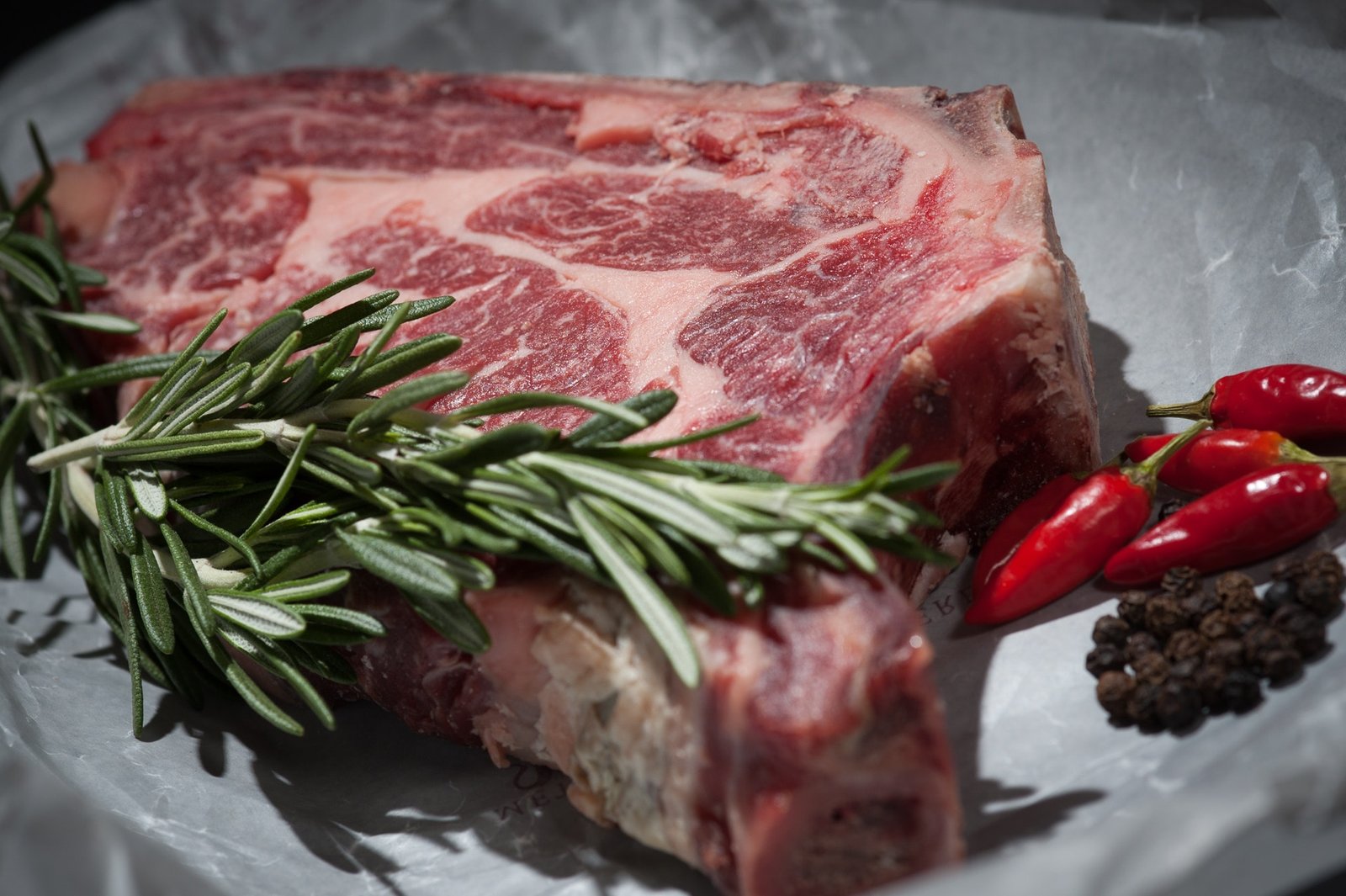
Introduction: Switzerland, known for its stunning landscapes and high-quality produce, has a culinary tradition deeply rooted in sustainability and environmental consciousness. In recent years, the global conversation surrounding meat consumption's impact on the planet has intensified. In this blog post, we will explore the sustainable practices and environmentally friendly approach that makes Swiss cuisine stand out. 1. Embracing Local and Seasonal Ingredients: Swiss cuisine thrives on using locally sourced and seasonal ingredients. This approach minimizes the carbon footprint associated with transportation and supports regional farmers and producers. Swiss chefs take pride in incorporating fresh vegetables, herbs, and fruits into their dishes, showcasing the abundance of the local environment. 2. Promoting Ethical Animal Farming: The Swiss take animal welfare seriously, and many of their livestock farming practices reflect this commitment. For instance, cows and goats are often kept in small herds, allowing for more natural grazing and reducing stress. Additionally, strict regulations govern the use of hormones and antibiotics in animal feed, ensuring that Swiss meat is of the highest quality. 3. Valuing Traditional Farming Methods: Traditional farming techniques are deeply ingrained in Swiss culture, with many farmers opting for sustainable practices over industrialized methods. Small-scale and family-owned farms are common, allowing for closer monitoring of animal well-being and environmentally friendly agricultural practices. 4. Embracing Meat Alternatives and Vegetarian Options: While Swiss cuisine traditionally includes meat dishes like fondue and raclette, there has been a growing demand for vegetarian and vegan options. Swiss chefs have responded by creating innovative plant-based dishes that uphold the same high standards of taste and quality. These alternatives not only reduce the environmental impact associated with meat production but also cater to a diverse range of dietary preferences. 5. Supporting Local Fishing Industry: Switzerland's lakes and rivers offer a bountiful supply of freshwater fish. The Swiss fishing industry is regulated and managed sustainably, ensuring that fish stocks remain healthy and abundant. Incorporating locally caught fish into Swiss cuisine not only supports the local economy but also reduces the dependence on overfished marine species. 6. Minimizing Food Waste: Swiss cuisine emphasizes the importance of waste reduction and sustainable food practices. Chefs and home cooks alike strive to minimize food waste by using every part of an ingredient. From using vegetable peels to create flavorful stocks to repurposing leftover bread into delicious Swiss specialties like "Zrcher Geschnetzeltes," there is a deep-rooted value for maximizing the use of every ingredient. Conclusion: Swiss cuisine's commitment to sustainability and environmental consciousness shines through their emphasis on local sourcing, ethical farming practices, and waste reduction. By embracing ingredients that are in season, supporting local farmers, and promoting animal welfare, Swiss cuisine stands as a prime example of how culinary traditions can evolve to mitigate the environmental impact of meat consumption. Whether you're a meat-eater or a vegetarian, exploring the diverse and sustainable flavors of Swiss cuisine is sure to be an enriching and eco-friendly experience. To get a better understanding, go through http://www.swiss-cuisine.com
Leave a Comment:
SEARCH
Categories
- Beef recipes
- Pork recipes
- Chicken recipes
- Seafood recipes
- Vegetarian meat substitutes
- Meat grilling tips and techniques
- Meat nutrition and health benefits
- Meat storage and preservation methods
- Meat cooking methods and techniques
- Meat safety and handling tips
- Meat processing and packaging
- Meat alternative products and companies
- Meat equipment and tools
- Meat certification and labeling standards
- Meat consumption trends and statistics
- Meat sustainability and environmental impact
- meatmob
Recent News
- Zurich, Switzerland is known for its multicultural atmosphere and diverse culinary scene. One of the lesser-known gems of Zurich's food scene is Sudanese cuisine. Sudanese cuisine is a reflection of the country's diverse cultural influences, blending Arabic, African, and Mediterranean flavors to create a unique and delicious culinary experience.
- Zurich, Switzerland: A Culinary Journey through Regional Cuisine
- Zurich, Switzerland is known for its stunning landscapes, rich history, and vibrant culture. However, another aspect of Zurich that shouldn't be overlooked is its diverse and delicious fast food scene. From traditional Swiss street food to international favorites, there is something to satisfy every craving in Zurich. Let's take a closer look at some of the popular fast food options you can find in this picturesque city.
- Zurich, Switzerland is known for its stunning natural beauty, vibrant arts scene, and strong economy. However, what many people may not know is that this dynamic city also offers a diverse culinary experience that includes delicacies from around the world. One such cuisine that has found a home in Zurich is Philippine cuisine.
- Zurich, Switzerland is known for its picturesque views, stunning architecture, and vibrant cultural scene. Located in the heart of Europe, Zurich offers a mix of traditional Swiss cuisine and international flavors. One particular cuisine that has been making waves in Zurich is Paraguayan cuisine.
- Zurich, Switzerland is a city known for its stunning views, picturesque streets, and vibrant culture. It is also a melting pot of diverse culinary influences, with a wide range of cuisines to choose from. One such cuisine that has made its mark in Zurich is Norwegian cuisine.
- Zurich, Switzerland, and Montreal, Canada, are two vibrant cities known for their distinct cultural characteristics. While Zurich is renowned for its picturesque landscapes, rich history, and high standard of living, Montreal is famous for its diverse population, vibrant arts scene, and mouth-watering cuisine. In this blog post, we will delve into the delectable culinary offerings of Montreal and explore how its unique food scene sets it apart from the culinary landscape of Zurich.
- Zurich, Switzerland is a vibrant city known for its stunning architecture, picturesque landscapes, and diverse culinary scene. While Swiss cuisine certainly holds a special place in the hearts of many locals and visitors, the city also boasts a variety of international dining options, including Latin American food.
READ MORE
11 months ago Category : meatmob

Zurich, Switzerland is known for its multicultural atmosphere and diverse culinary scene. One of the lesser-known gems of Zurich's food scene is Sudanese cuisine. Sudanese cuisine is a reflection of the country's diverse cultural influences, blending Arabic, African, and Mediterranean flavors to create a unique and delicious culinary experience.
Read More →11 months ago Category : meatmob

Zurich, Switzerland: A Culinary Journey through Regional Cuisine
Read More →11 months ago Category : meatmob

Zurich, Switzerland is known for its stunning landscapes, rich history, and vibrant culture. However, another aspect of Zurich that shouldn't be overlooked is its diverse and delicious fast food scene. From traditional Swiss street food to international favorites, there is something to satisfy every craving in Zurich. Let's take a closer look at some of the popular fast food options you can find in this picturesque city.
Read More →11 months ago Category : meatmob
