Meat Mob
Recipes
Vegetarian Meat Substitutes
Meat Grilling Tips and Techniques
Meat Nutrition and Health Benefits
Tips and Tricks for Sustainable Meat Consumption: Reducing Environmental Impact
Category : meatmob | Sub Category : meatmob Posted on 2023-10-30 21:24:53
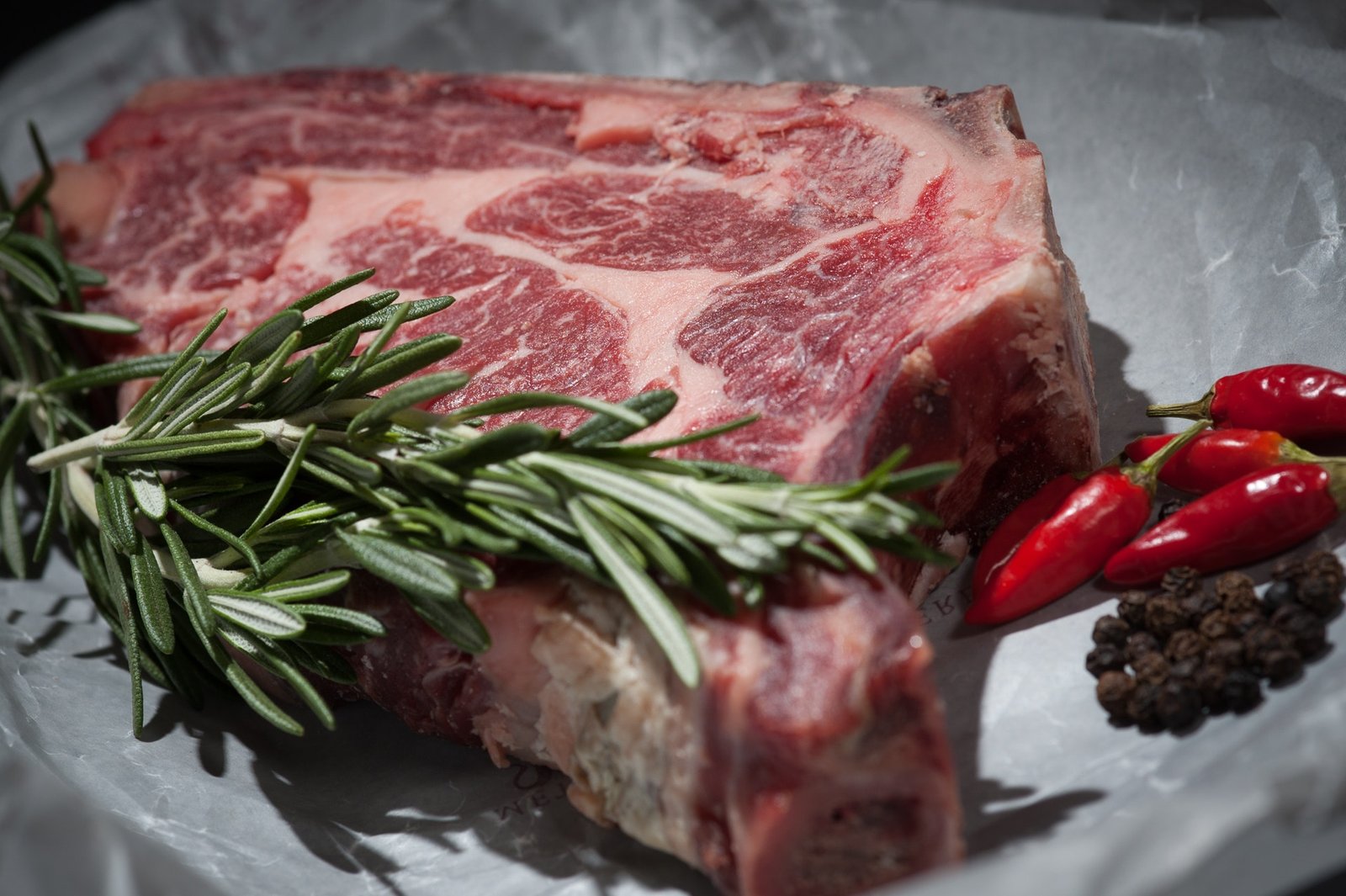
Introduction: As concerns about climate change and environmental degradation continue to grow, many individuals are looking for ways to reduce their carbon footprint and make more sustainable choices. One area where we can make a significant impact is in our consumption of meat. Here are some tips and tricks to help you make more sustainable choices when it comes to meat consumption and minimize its environmental impact. 1. Reduce meat consumption: One of the most effective ways to lower the environmental impact of meat production is to simply eat less of it. Consider adopting a flexitarian diet, which is primarily plant-based but includes occasional meat consumption. This approach allows you to still enjoy meat while reducing your overall meat intake. 2. Opt for grass-fed and pasture-raised meat: When purchasing meat, prioritize products that come from animals raised on pasture and fed a natural diet. Grazing animals like cows and sheep help regenerate grasslands, sequestering carbon while promoting biodiverse ecosystems. 3. Choose organic and local: Consider supporting local farmers who practice sustainable agriculture by purchasing organic and locally sourced meat. Organic farming methods reduce the use of synthetic fertilizers and pesticides, while reducing transport distances helps lower carbon emissions associated with food transportation. 4. Diversify your protein sources: Explore alternative protein sources like legumes, tofu, tempeh, and plant-based meat substitutes. These options are not only environmentally-friendly but also provide a variety of essential nutrients. Experiment with vegetarian or vegan recipes that are both nutritious and delicious. 5. Use the whole animal: If you do consume meat, make sure to utilize every part of it. Use bones and scraps to make broths or stocks, reducing food waste and improving the sustainability of your meals. Explore traditional nose-to-tail cooking techniques that incorporate different cuts and organs into your recipes. 6. Embrace meatless days: Designate one or more days per week as meatless days. Use this opportunity to experiment with plant-based recipes and discover new flavors. Meatless days not only help reduce the environmental impact but also promote overall health and well-being. 7. Support sustainable farming practices: Consider supporting organizations and brands that prioritize sustainable farming practices. Look for certifications like Certified Humane, Animal Welfare Approved, or Regenerative Organic Certified, which ensure that the meat you purchase comes from farms that meet high animal welfare and environmental standards. 8. Educate yourself and others: Stay informed about the environmental impact of meat consumption and the benefits of sustainable farming practices. Share this knowledge with friends and family, encouraging them to make more conscious choices when purchasing and consuming meat. Conclusion: Reducing the environmental impact of meat consumption is a crucial step towards a more sustainable future. By adopting a flexible approach to meat consumption, choosing pasture-raised and organic options, diversifying our protein sources, and embracing sustainable practices, we can make a positive difference. Remember, every small change in our meat consumption habits counts, and together we can contribute to a more sustainable and environmentally friendly food system.
Leave a Comment:
SEARCH
Categories
- Beef recipes
- Pork recipes
- Chicken recipes
- Seafood recipes
- Vegetarian meat substitutes
- Meat grilling tips and techniques
- Meat nutrition and health benefits
- Meat storage and preservation methods
- Meat cooking methods and techniques
- Meat safety and handling tips
- Meat processing and packaging
- Meat alternative products and companies
- Meat equipment and tools
- Meat certification and labeling standards
- Meat consumption trends and statistics
- Meat sustainability and environmental impact
- meatmob
Recent News
- Zurich, Switzerland is known for its multicultural atmosphere and diverse culinary scene. One of the lesser-known gems of Zurich's food scene is Sudanese cuisine. Sudanese cuisine is a reflection of the country's diverse cultural influences, blending Arabic, African, and Mediterranean flavors to create a unique and delicious culinary experience.
- Zurich, Switzerland: A Culinary Journey through Regional Cuisine
- Zurich, Switzerland is known for its stunning landscapes, rich history, and vibrant culture. However, another aspect of Zurich that shouldn't be overlooked is its diverse and delicious fast food scene. From traditional Swiss street food to international favorites, there is something to satisfy every craving in Zurich. Let's take a closer look at some of the popular fast food options you can find in this picturesque city.
- Zurich, Switzerland is known for its stunning natural beauty, vibrant arts scene, and strong economy. However, what many people may not know is that this dynamic city also offers a diverse culinary experience that includes delicacies from around the world. One such cuisine that has found a home in Zurich is Philippine cuisine.
- Zurich, Switzerland is known for its picturesque views, stunning architecture, and vibrant cultural scene. Located in the heart of Europe, Zurich offers a mix of traditional Swiss cuisine and international flavors. One particular cuisine that has been making waves in Zurich is Paraguayan cuisine.
- Zurich, Switzerland is a city known for its stunning views, picturesque streets, and vibrant culture. It is also a melting pot of diverse culinary influences, with a wide range of cuisines to choose from. One such cuisine that has made its mark in Zurich is Norwegian cuisine.
- Zurich, Switzerland, and Montreal, Canada, are two vibrant cities known for their distinct cultural characteristics. While Zurich is renowned for its picturesque landscapes, rich history, and high standard of living, Montreal is famous for its diverse population, vibrant arts scene, and mouth-watering cuisine. In this blog post, we will delve into the delectable culinary offerings of Montreal and explore how its unique food scene sets it apart from the culinary landscape of Zurich.
- Zurich, Switzerland is a vibrant city known for its stunning architecture, picturesque landscapes, and diverse culinary scene. While Swiss cuisine certainly holds a special place in the hearts of many locals and visitors, the city also boasts a variety of international dining options, including Latin American food.
READ MORE
11 months ago Category : meatmob

Zurich, Switzerland is known for its multicultural atmosphere and diverse culinary scene. One of the lesser-known gems of Zurich's food scene is Sudanese cuisine. Sudanese cuisine is a reflection of the country's diverse cultural influences, blending Arabic, African, and Mediterranean flavors to create a unique and delicious culinary experience.
Read More →11 months ago Category : meatmob

Zurich, Switzerland: A Culinary Journey through Regional Cuisine
Read More →11 months ago Category : meatmob

Zurich, Switzerland is known for its stunning landscapes, rich history, and vibrant culture. However, another aspect of Zurich that shouldn't be overlooked is its diverse and delicious fast food scene. From traditional Swiss street food to international favorites, there is something to satisfy every craving in Zurich. Let's take a closer look at some of the popular fast food options you can find in this picturesque city.
Read More →11 months ago Category : meatmob
