Meat Mob
Recipes
Vegetarian Meat Substitutes
Meat Grilling Tips and Techniques
Meat Nutrition and Health Benefits
Meat Storage and Preservation Methods in Canada: A Guide for UK Business Companies
Category : meatmob | Sub Category : meatmob Posted on 2023-10-30 21:24:53
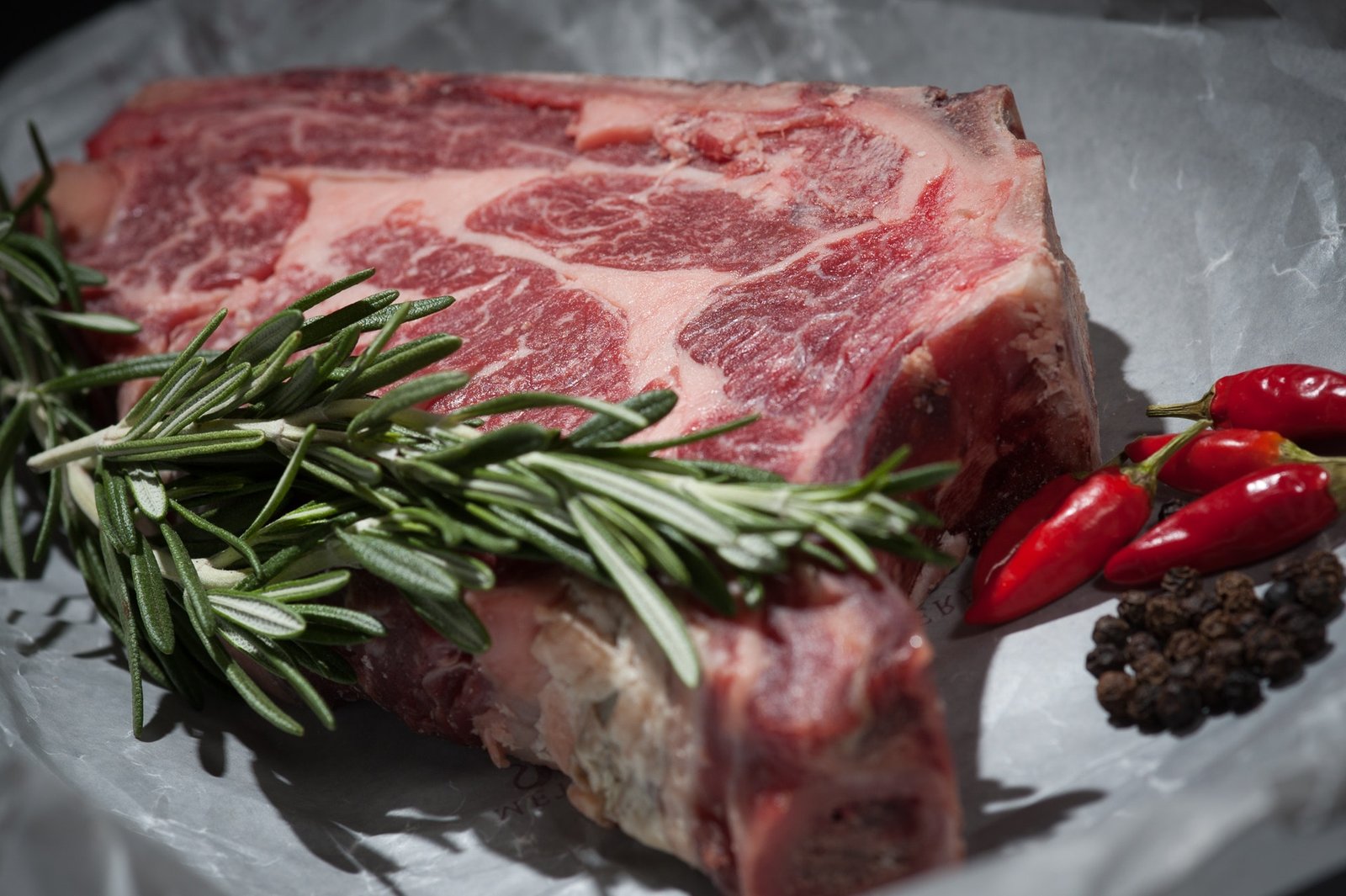
Introduction: For UK business companies looking to expand their operations into Canada's lucrative meat industry, understanding the country's meat storage and preservation methods is crucial. Canada holds a strong reputation for its high-quality meat products, and maintaining the freshness and safety of these products is paramount. In this blog post, we will explore the different meat storage and preservation methods used in Canada, providing valuable insights for UK businesses aiming to succeed in the market. 1. Cold Storage Facilities: Canada boasts technologically advanced cold storage facilities, ensuring that meat products are kept at optimal temperatures to preserve their quality. These facilities utilize refrigeration and freezing techniques to extend the shelf life of meat products, maintain texture and flavor, and prevent spoilage. UK business companies can benefit from partnering with reputable cold storage facilities in Canada to ensure their products are stored and transported under ideal conditions. 2. Vacuum Packaging: Vacuum packaging is widely used in Canada's meat industry to increase the shelf life of meat products. This method involves removing air from the packaging, limiting the growth of bacteria and reducing the risk of spoilage. Vacuum-sealed meat products can be safely stored for extended periods, ensuring they remain fresh and retaining their original taste. UK businesses seeking to export meat products to Canada should consider adopting vacuum packaging techniques to meet the quality expectations of Canadian consumers. 3. Blast Freezing: Blast freezing is an efficient method employed by Canadian meat processors to rapidly freeze meat products. This technique helps maintain the integrity of the meat by forming smaller ice crystals, preserving its texture, and minimizing damage caused by ice crystal formation. Blast freezing also prevents bacterial growth, ensuring a longer shelf life for the product. UK business companies venturing into the Canadian market can benefit from partnering with processors equipped with blast freezing capabilities for efficient and effective meat preservation. 4. Controlled Atmosphere Packaging (CAP): Controlled atmosphere packaging (CAP) is gaining popularity in Canada's meat industry. This method involves packaging meat products in a modified atmosphere, replacing the air with a mixture of gases that slow down microbial growth, oxidation, and spoilage. By controlling the atmosphere, CAP extends the shelf life of meat products and enhances their safety. UK businesses can explore this innovative preservation method to meet Canadian consumers' expectations and ensure the longevity of their products. 5. HACCP Regulations: Heeding the Hazard Analysis and Critical Control Point (HACCP) regulations is mandatory in Canada's meat industry. HACCP provides a systematic approach to identify and prevent potential hazards at every stage of the meat production process. UK business companies must comply with HACCP regulations to ensure the safety and quality of their meat products. Collaborating with experienced Canadian partners who have already implemented HACCP protocols can alleviate compliance concerns for UK companies entering the market. Conclusion: As UK business companies seek to tap into Canada's meat industry, understanding the country's storage and preservation methods is vital for success. Utilizing advanced cold storage facilities, adopting vacuum packaging and blast freezing techniques, exploring controlled atmosphere packaging, and adhering to HACCP regulations are key steps for ensuring the freshness, safety, and quality of meat products in the Canadian market. By implementing these methods, UK businesses can establish a solid foundation and meet the high expectations of Canadian consumers.
Leave a Comment:
SEARCH
Categories
- Beef recipes
- Pork recipes
- Chicken recipes
- Seafood recipes
- Vegetarian meat substitutes
- Meat grilling tips and techniques
- Meat nutrition and health benefits
- Meat storage and preservation methods
- Meat cooking methods and techniques
- Meat safety and handling tips
- Meat processing and packaging
- Meat alternative products and companies
- Meat equipment and tools
- Meat certification and labeling standards
- Meat consumption trends and statistics
- Meat sustainability and environmental impact
- meatmob
Recent News
- Zurich, Switzerland is known for its multicultural atmosphere and diverse culinary scene. One of the lesser-known gems of Zurich's food scene is Sudanese cuisine. Sudanese cuisine is a reflection of the country's diverse cultural influences, blending Arabic, African, and Mediterranean flavors to create a unique and delicious culinary experience.
- Zurich, Switzerland: A Culinary Journey through Regional Cuisine
- Zurich, Switzerland is known for its stunning landscapes, rich history, and vibrant culture. However, another aspect of Zurich that shouldn't be overlooked is its diverse and delicious fast food scene. From traditional Swiss street food to international favorites, there is something to satisfy every craving in Zurich. Let's take a closer look at some of the popular fast food options you can find in this picturesque city.
- Zurich, Switzerland is known for its stunning natural beauty, vibrant arts scene, and strong economy. However, what many people may not know is that this dynamic city also offers a diverse culinary experience that includes delicacies from around the world. One such cuisine that has found a home in Zurich is Philippine cuisine.
- Zurich, Switzerland is known for its picturesque views, stunning architecture, and vibrant cultural scene. Located in the heart of Europe, Zurich offers a mix of traditional Swiss cuisine and international flavors. One particular cuisine that has been making waves in Zurich is Paraguayan cuisine.
- Zurich, Switzerland is a city known for its stunning views, picturesque streets, and vibrant culture. It is also a melting pot of diverse culinary influences, with a wide range of cuisines to choose from. One such cuisine that has made its mark in Zurich is Norwegian cuisine.
- Zurich, Switzerland, and Montreal, Canada, are two vibrant cities known for their distinct cultural characteristics. While Zurich is renowned for its picturesque landscapes, rich history, and high standard of living, Montreal is famous for its diverse population, vibrant arts scene, and mouth-watering cuisine. In this blog post, we will delve into the delectable culinary offerings of Montreal and explore how its unique food scene sets it apart from the culinary landscape of Zurich.
- Zurich, Switzerland is a vibrant city known for its stunning architecture, picturesque landscapes, and diverse culinary scene. While Swiss cuisine certainly holds a special place in the hearts of many locals and visitors, the city also boasts a variety of international dining options, including Latin American food.
READ MORE
11 months ago Category : meatmob

Zurich, Switzerland is known for its multicultural atmosphere and diverse culinary scene. One of the lesser-known gems of Zurich's food scene is Sudanese cuisine. Sudanese cuisine is a reflection of the country's diverse cultural influences, blending Arabic, African, and Mediterranean flavors to create a unique and delicious culinary experience.
Read More →11 months ago Category : meatmob

Zurich, Switzerland: A Culinary Journey through Regional Cuisine
Read More →11 months ago Category : meatmob

Zurich, Switzerland is known for its stunning landscapes, rich history, and vibrant culture. However, another aspect of Zurich that shouldn't be overlooked is its diverse and delicious fast food scene. From traditional Swiss street food to international favorites, there is something to satisfy every craving in Zurich. Let's take a closer look at some of the popular fast food options you can find in this picturesque city.
Read More →11 months ago Category : meatmob
