Meat Mob
Recipes
Vegetarian Meat Substitutes
Meat Grilling Tips and Techniques
Meat Nutrition and Health Benefits
Meat Certification and Labeling Standards for US Startups Expanding into Canada
Category : meatmob | Sub Category : meatmob Posted on 2023-10-30 21:24:53
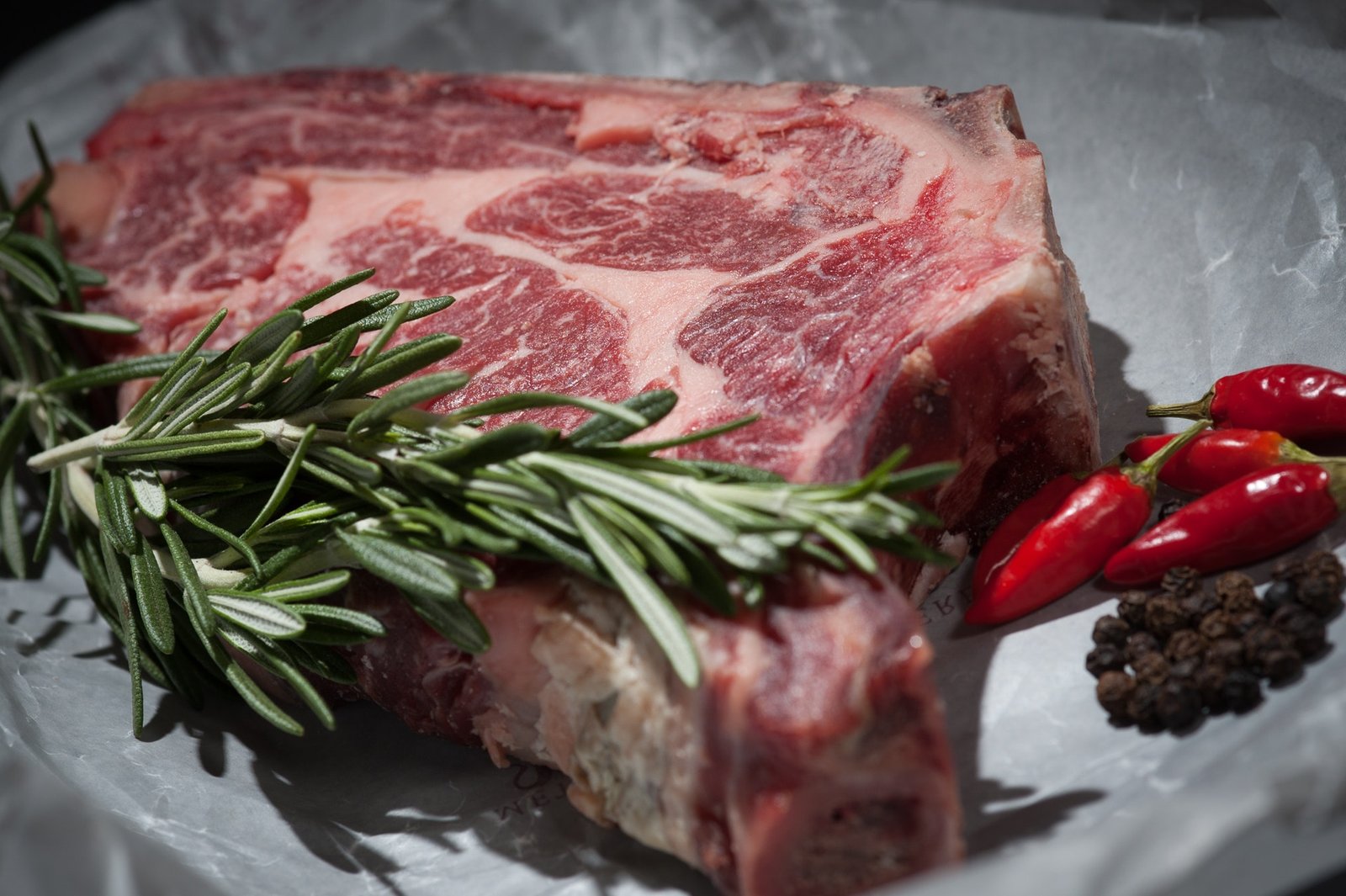
Introduction: The global demand for sustainable and high-quality food products has surged in recent years, prompting various countries to establish stringent certification and labeling standards. One such country is Canada, which boasts robust regulations for the meat industry. As US startups explore new markets for their products, understanding Canada's meat certification and labeling standards becomes crucial. In this blog post, we will explore the important aspects of meat certification and labeling standards in Canada that US startups should be aware of. 1. Canadian Meat Inspection Agency (CFIA): The Canadian Food Inspection Agency (CFIA) plays a pivotal role in ensuring the safety and quality of meat products within the country. CFIA functions as Canada's regulatory body and enforces stringent standards, covering aspects such as animal health systems, food safety, and labeling requirements. US startups must familiarize themselves with these regulations to ensure compliance when expanding into the Canadian market. 2. Meat Certification: Before exporting meat products to Canada, US startups must obtain the necessary certification to meet Canadian standards. The CFIA outlines specific requirements and procedures for importing meat products, including approval from the competent authority in the US, inspection of facilities, submission of export certificates, and compliance with Canadian labeling and packaging regulations. 3. Labeling Requirements: Canadian regulations require all meat products sold in the country to adhere to specific labeling requirements. This includes accurate and comprehensive information about the product's origins, ingredients, quality grades (if applicable), nutritional facts, and allergen statements. US startups should ensure their labeling is clear, easily readable, and in both English and French to cater to Canada's bilingual population. 4. Country of Origin Labeling (COOL): Canada has implemented Country of Origin Labeling (COOL) requirements for meat products. These regulations mandate that the country of origin must be clearly indicated on the label of packaged meats. US startups must comply with this regulation and provide accurate information about where the meat product was sourced from to maintain transparency and meet consumer expectations. 5. Organic and Hormone-Free Claims: The demand for organic and hormone-free meat has been steadily increasing, and Canadian consumers are keen on purchasing products that align with their values. US startups should be aware that specific regulations govern organic and hormone-free claims in Canada, and any meat products labeled as such must meet the Canadian organic or hormone-free certification standards. Conclusion: As US startups consider expanding their operations into Canada's market, understanding the country's meat certification and labeling standards is essential for success. Compliance with Canadian regulations, such as those set forth by the CFIA, is crucial to ensure the safety and quality of meat products. By familiarizing themselves with labeling requirements, obtaining the necessary certifications, and meeting consumer expectations, US startups can navigate the Canadian market effectively and gain a competitive edge. For a broader perspective, don't miss http://www.usazilla.com
Leave a Comment:
SEARCH
Categories
- Beef recipes
- Pork recipes
- Chicken recipes
- Seafood recipes
- Vegetarian meat substitutes
- Meat grilling tips and techniques
- Meat nutrition and health benefits
- Meat storage and preservation methods
- Meat cooking methods and techniques
- Meat safety and handling tips
- Meat processing and packaging
- Meat alternative products and companies
- Meat equipment and tools
- Meat certification and labeling standards
- Meat consumption trends and statistics
- Meat sustainability and environmental impact
- meatmob
Recent News
- Zurich, Switzerland is known for its multicultural atmosphere and diverse culinary scene. One of the lesser-known gems of Zurich's food scene is Sudanese cuisine. Sudanese cuisine is a reflection of the country's diverse cultural influences, blending Arabic, African, and Mediterranean flavors to create a unique and delicious culinary experience.
- Zurich, Switzerland: A Culinary Journey through Regional Cuisine
- Zurich, Switzerland is known for its stunning landscapes, rich history, and vibrant culture. However, another aspect of Zurich that shouldn't be overlooked is its diverse and delicious fast food scene. From traditional Swiss street food to international favorites, there is something to satisfy every craving in Zurich. Let's take a closer look at some of the popular fast food options you can find in this picturesque city.
- Zurich, Switzerland is known for its stunning natural beauty, vibrant arts scene, and strong economy. However, what many people may not know is that this dynamic city also offers a diverse culinary experience that includes delicacies from around the world. One such cuisine that has found a home in Zurich is Philippine cuisine.
- Zurich, Switzerland is known for its picturesque views, stunning architecture, and vibrant cultural scene. Located in the heart of Europe, Zurich offers a mix of traditional Swiss cuisine and international flavors. One particular cuisine that has been making waves in Zurich is Paraguayan cuisine.
- Zurich, Switzerland is a city known for its stunning views, picturesque streets, and vibrant culture. It is also a melting pot of diverse culinary influences, with a wide range of cuisines to choose from. One such cuisine that has made its mark in Zurich is Norwegian cuisine.
- Zurich, Switzerland, and Montreal, Canada, are two vibrant cities known for their distinct cultural characteristics. While Zurich is renowned for its picturesque landscapes, rich history, and high standard of living, Montreal is famous for its diverse population, vibrant arts scene, and mouth-watering cuisine. In this blog post, we will delve into the delectable culinary offerings of Montreal and explore how its unique food scene sets it apart from the culinary landscape of Zurich.
- Zurich, Switzerland is a vibrant city known for its stunning architecture, picturesque landscapes, and diverse culinary scene. While Swiss cuisine certainly holds a special place in the hearts of many locals and visitors, the city also boasts a variety of international dining options, including Latin American food.
READ MORE
11 months ago Category : meatmob

Zurich, Switzerland is known for its multicultural atmosphere and diverse culinary scene. One of the lesser-known gems of Zurich's food scene is Sudanese cuisine. Sudanese cuisine is a reflection of the country's diverse cultural influences, blending Arabic, African, and Mediterranean flavors to create a unique and delicious culinary experience.
Read More →11 months ago Category : meatmob

Zurich, Switzerland: A Culinary Journey through Regional Cuisine
Read More →11 months ago Category : meatmob

Zurich, Switzerland is known for its stunning landscapes, rich history, and vibrant culture. However, another aspect of Zurich that shouldn't be overlooked is its diverse and delicious fast food scene. From traditional Swiss street food to international favorites, there is something to satisfy every craving in Zurich. Let's take a closer look at some of the popular fast food options you can find in this picturesque city.
Read More →11 months ago Category : meatmob
