Meat Mob
Recipes
Vegetarian Meat Substitutes
Meat Grilling Tips and Techniques
Meat Nutrition and Health Benefits
Exploring Meat Consumption Trends and Statistics: Uzbekistan vs Canada
Category : meatmob | Sub Category : meatmob Posted on 2023-10-30 21:24:53
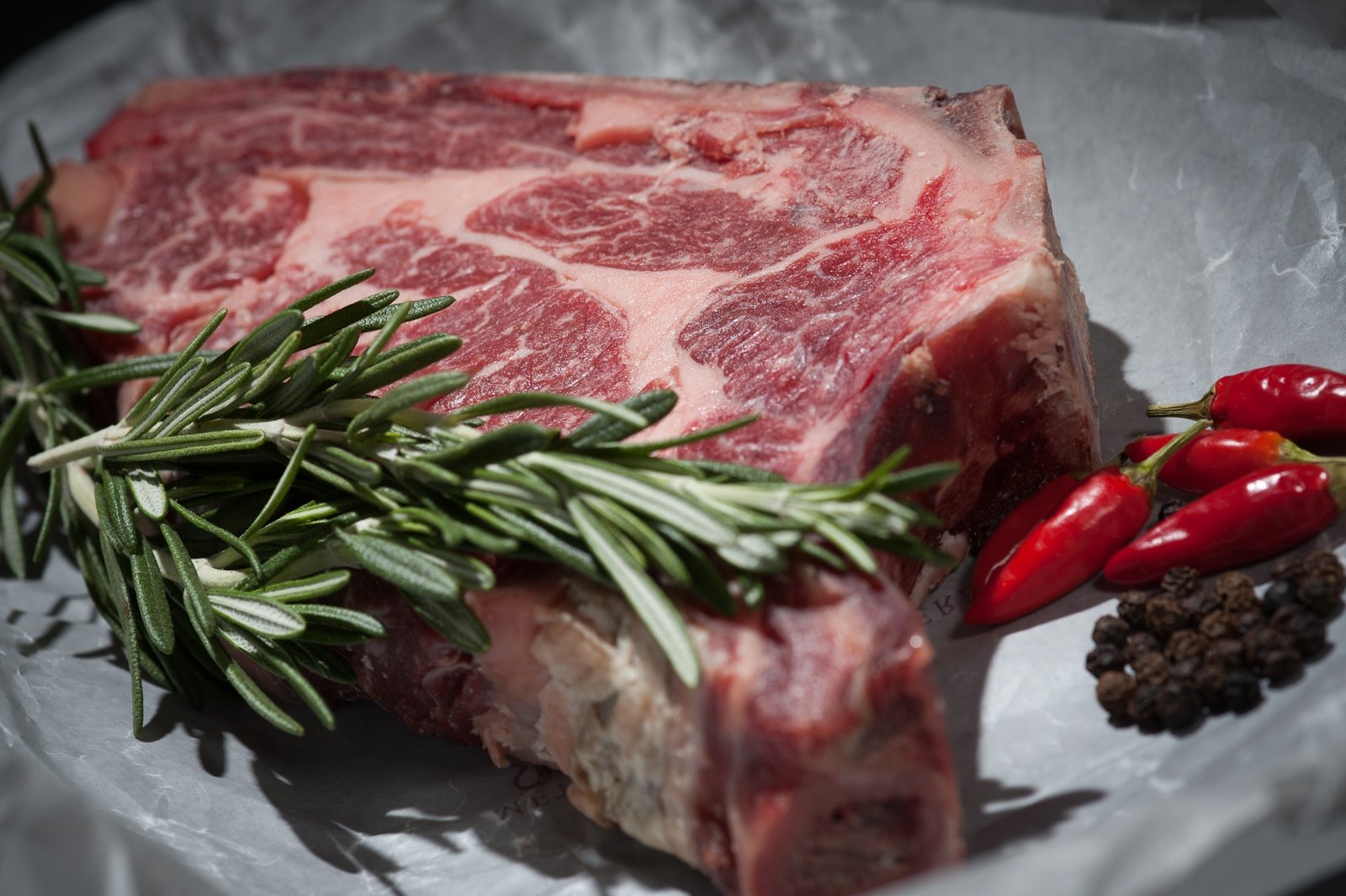
Introduction: Meat consumption is a significant aspect of dietary habits and cultural traditions around the world. In this blog post, we will delve into the meat consumption trends and statistics of two diverse countries Uzbekistan and Canada. Despite being geographically distant, these countries represent different dietary preferences and cultural backgrounds, making this comparison both fascinating and enlightening. Let's take a closer look at the meat consumption patterns in Uzbekistan and Canada. Meat Consumption in Uzbekistan: Uzbekistan, located in Central Asia, boasts a rich culinary heritage influenced by nomadic traditions and agrarian practices. In Uzbek cuisine, meat is a central ingredient in many dishes, reflecting the country's long history of animal husbandry. Traditional Uzbek dishes such as "plov" (rice pilaf with meat) and "shashlik" (grilled meat skewers) are popular and widely enjoyed. In terms of meat consumption statistics, Uzbekistan traditionally has a high meat consumption rate. The average annual meat consumption per capita in Uzbekistan is estimated to be around 46 kilograms. Beef and lamb are the most commonly consumed meats due to their availability and cultural significance. However, in recent years, there has been a growing trend of pork consumption as the country's population diversifies. Meat Consumption in Canada: Canada, a nation with a multicultural society, has a diverse range of dietary preferences. Meat consumption in Canada reflects this diversity, with various cultural influences impacting the country's meat consumption patterns. In Canadian cuisine, popular meats include beef, pork, poultry (chicken and turkey), and seafood. The average annual meat consumption in Canada is estimated to be around 78 kilograms per capita. Beef is the most consumed meat, followed by poultry, pork, and seafood. Canada's meat consumption is also influenced by cultural factors, including the popularity of barbecuing and the consumption of traditional meat-based dishes such as poutine, tourtire, and butter tarts. Comparison of Meat Consumption Trends: When comparing the meat consumption trends between Uzbekistan and Canada, several key differences emerge. Firstly, the types of meats consumed differ significantly due to cultural preferences. While Uzbekistan favors beef and lamb, Canada has a more diverse range of meat consumption, including beef, pork, poultry, and seafood. Moreover, the quantity of meat consumed per capita varies between the two countries. Canada's annual meat consumption per capita is notably higher than Uzbekistan, with approximately 78 kilograms compared to Uzbekistan's 46 kilograms. This difference can be attributed to factors such as economic stability, cultural influences, and dietary preferences. Furthermore, regional variations within these countries also play a significant role in shaping meat consumption trends. In Canada, for example, the western provinces have a higher meat consumption rate compared to the eastern provinces. In Uzbekistan, rural areas, where animal husbandry is more prevalent, tend to have higher meat consumption rates compared to urban areas. Conclusion: Meat consumption trends and statistics provide valuable insights into the dietary patterns and cultural preferences of different countries. While Uzbekistan and Canada have distinct meat consumption patterns due to their geographic location, cultural diversity, and economic factors, both countries showcase a significant reliance on meat in their cuisines. Understanding these differences allows us to appreciate the diverse tastes and traditions associated with each country, ultimately promoting cultural exchange and appreciation.
Leave a Comment:
SEARCH
Categories
- Beef recipes
- Pork recipes
- Chicken recipes
- Seafood recipes
- Vegetarian meat substitutes
- Meat grilling tips and techniques
- Meat nutrition and health benefits
- Meat storage and preservation methods
- Meat cooking methods and techniques
- Meat safety and handling tips
- Meat processing and packaging
- Meat alternative products and companies
- Meat equipment and tools
- Meat certification and labeling standards
- Meat consumption trends and statistics
- Meat sustainability and environmental impact
- meatmob
Recent News
- Zurich, Switzerland is known for its multicultural atmosphere and diverse culinary scene. One of the lesser-known gems of Zurich's food scene is Sudanese cuisine. Sudanese cuisine is a reflection of the country's diverse cultural influences, blending Arabic, African, and Mediterranean flavors to create a unique and delicious culinary experience.
- Zurich, Switzerland: A Culinary Journey through Regional Cuisine
- Zurich, Switzerland is known for its stunning landscapes, rich history, and vibrant culture. However, another aspect of Zurich that shouldn't be overlooked is its diverse and delicious fast food scene. From traditional Swiss street food to international favorites, there is something to satisfy every craving in Zurich. Let's take a closer look at some of the popular fast food options you can find in this picturesque city.
- Zurich, Switzerland is known for its stunning natural beauty, vibrant arts scene, and strong economy. However, what many people may not know is that this dynamic city also offers a diverse culinary experience that includes delicacies from around the world. One such cuisine that has found a home in Zurich is Philippine cuisine.
- Zurich, Switzerland is known for its picturesque views, stunning architecture, and vibrant cultural scene. Located in the heart of Europe, Zurich offers a mix of traditional Swiss cuisine and international flavors. One particular cuisine that has been making waves in Zurich is Paraguayan cuisine.
- Zurich, Switzerland is a city known for its stunning views, picturesque streets, and vibrant culture. It is also a melting pot of diverse culinary influences, with a wide range of cuisines to choose from. One such cuisine that has made its mark in Zurich is Norwegian cuisine.
- Zurich, Switzerland, and Montreal, Canada, are two vibrant cities known for their distinct cultural characteristics. While Zurich is renowned for its picturesque landscapes, rich history, and high standard of living, Montreal is famous for its diverse population, vibrant arts scene, and mouth-watering cuisine. In this blog post, we will delve into the delectable culinary offerings of Montreal and explore how its unique food scene sets it apart from the culinary landscape of Zurich.
- Zurich, Switzerland is a vibrant city known for its stunning architecture, picturesque landscapes, and diverse culinary scene. While Swiss cuisine certainly holds a special place in the hearts of many locals and visitors, the city also boasts a variety of international dining options, including Latin American food.
READ MORE
11 months ago Category : meatmob

Zurich, Switzerland is known for its multicultural atmosphere and diverse culinary scene. One of the lesser-known gems of Zurich's food scene is Sudanese cuisine. Sudanese cuisine is a reflection of the country's diverse cultural influences, blending Arabic, African, and Mediterranean flavors to create a unique and delicious culinary experience.
Read More →11 months ago Category : meatmob

Zurich, Switzerland: A Culinary Journey through Regional Cuisine
Read More →11 months ago Category : meatmob

Zurich, Switzerland is known for its stunning landscapes, rich history, and vibrant culture. However, another aspect of Zurich that shouldn't be overlooked is its diverse and delicious fast food scene. From traditional Swiss street food to international favorites, there is something to satisfy every craving in Zurich. Let's take a closer look at some of the popular fast food options you can find in this picturesque city.
Read More →11 months ago Category : meatmob
